
Peperomia Obtusifolia Lifespan: How to Avoid Decline
Peperomia obtusifolia lifespan indoors runs 5-10+ years under stable conditions — and often longer, since the plant's indeterminate growth means there is no fixed age at which it is programmed to decline. What actually shortens a plant's life is almost always the environment: compacted soil, accumulated mineral salts, or a stem that has snapped under its own weight, not a genetic expiry date.
Why Peperomia Obtusifolia Has No Fixed Expiry Date
Unlike animals, which stop growing at maturity, this plant grows indeterminately. The tissue responsible is the meristem — clusters of undifferentiated cells at every stem tip and node that keep dividing and producing new leaves and stems for as long as light, water, and oxygen are available. Individual leaves still senesce and drop on a normal cycle, but the plant as a whole is not running down a biological countdown the way a leaf or an animal does. Decline, when it happens, is an environmental outcome rather than a scheduled one.
What Actually Shortens a Peperomia's Life
If the plant has no built-in age limit, the 5-10+ year range most indoor specimens actually reach comes down to accumulated environmental stress rather than biology:
- Soil structure breaking down. Over roughly 2-3 years, the organic components in a potting mix compact and lose the air-filled porosity the root system needs. Reduced oxygen at the root zone is a slow, easy-to-miss precursor to root rot, well before any leaf symptom appears.
- Mineral salt accumulation. Tap water carries dissolved salts that do not evaporate away with the water itself. Left unflushed for years, they build up in the substrate to levels that damage root tissue through osmotic stress — a slow chemical burn rather than a single event.
- Structural failure. As stems thicken and lengthen without pruning, their own weight can eventually cause them to snap or lean into wet soil, where the damaged tissue is vulnerable to fungal infection. This is a mechanical failure, not an ageing process.
None of these are inevitable. Each has a specific, preventable cause, which is the more useful way to think about "old age" in this species than treating it as an unavoidable countdown.
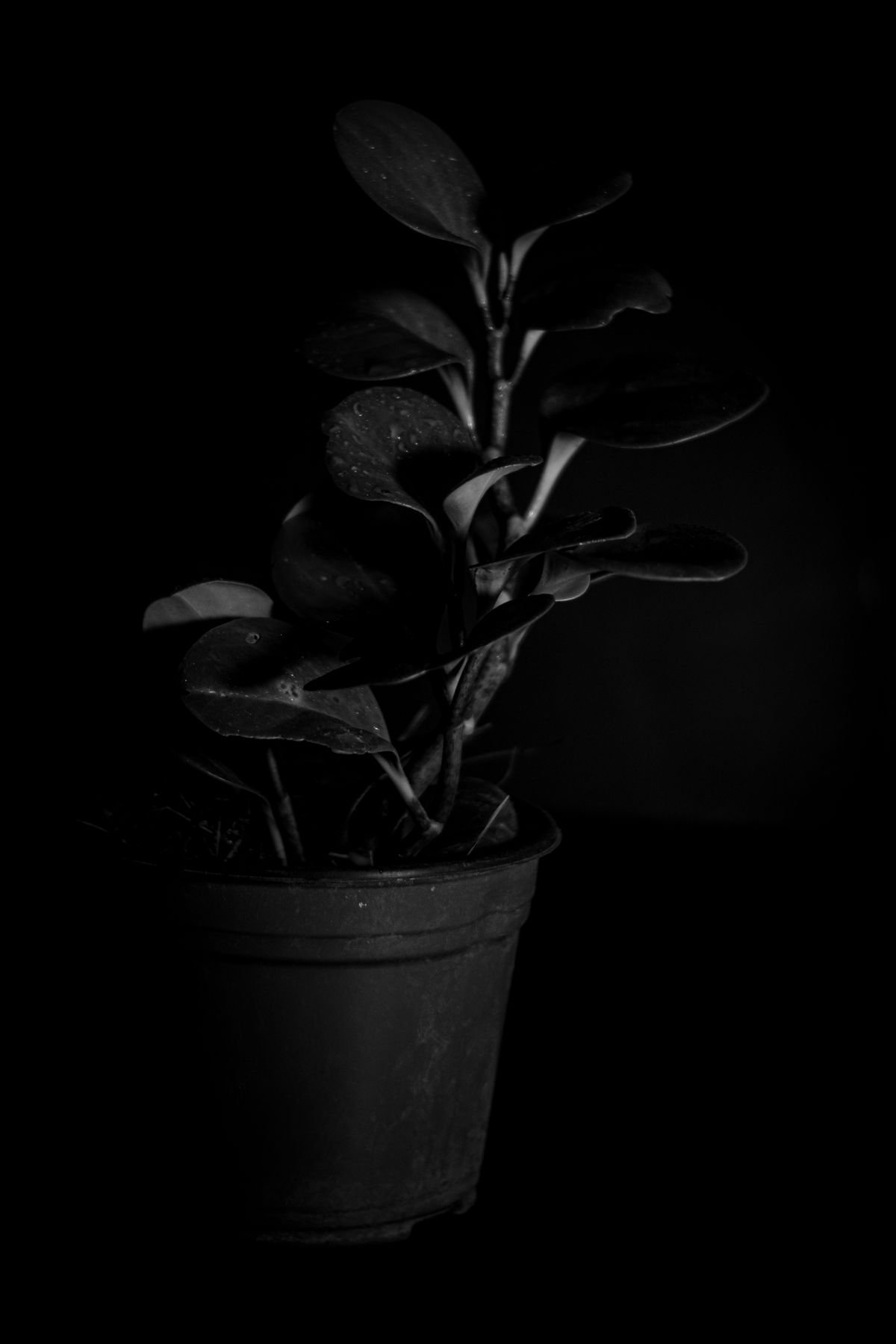
Resetting the Clock Through Propagation
Because every cell in a healthy stem retains the potential to grow into a full new plant (totipotency), a stem cutting is not just a way to make more plants — it is a genuine reset. The new cutting carries the parent's exact genetics but starts with an unstressed root system and none of the accumulated soil or structural problems the parent may be carrying. This is why many long-lived cultivars in circulation trace back to a single plant discovered decades ago: the lineage continues through successive propagated generations, even though no single specimen in that chain necessarily lived that whole span itself.
The Longevity Routine
A simple, low-effort maintenance schedule prevents most of the decline mechanisms above before they start:
- Refresh the soil roughly every 2 years. Replace old, compacted mix with a fresh, airy blend rather than waiting for visible root stress to appear.
- Prune structurally each spring. Cut back long, heavy stems to keep the plant's centre of gravity low and reduce the risk of a stem snapping under its own weight — the full method is in the pruning guide.
- Flush the substrate every 4-6 months. Run a generous volume of plain water through the pot and let it drain fully to carry accumulated mineral salts out before they reach damaging concentrations.
- Propagate a cutting from any specimen showing structural fatigue rather than waiting for the parent to fail outright — it costs nothing to keep a young, low-risk backup rooting alongside an ageing plant.
Growers who keep a specimen in LECA sidestep the soil-compaction and salt-buildup mechanisms almost entirely, since the inert medium doesn't break down and the monthly flush schedule already clears mineral accumulation as a matter of routine — though it substitutes its own discipline of pH and nutrient monitoring in place of soil maintenance.
Common Mistakes
- Assuming a declining plant is simply "old" rather than checking for the specific, fixable cause — root rot, salt buildup, or a structural break are all distinguishable and treatable on inspection.
- Never flushing the substrate because the plant "looks fine," when mineral damage accumulates well before it becomes visible in the leaves.
- Letting an unpruned specimen grow indefinitely top-heavy, rather than pruning proactively before a stem is put under real mechanical stress.
For the general watering, light, and repotting baseline that determines how quickly (or slowly) these decline mechanisms show up, see the complete care guide, and for where a mature, multi-year specimen fits best in a room, see the feng shui placement guide.
Care FAQ
How long does Peperomia obtusifolia live?
Typically 5-10+ years indoors under stable conditions — light, watering, and repotting kept within the species' normal range. Because the plant grows indeterminately, propagation can extend a genetic line well beyond that on a fresh root system, even though any single specimen's practical lifespan is usually shorter.
What is indeterminate growth?
It means the plant has no built-in age limit the way animals do — its meristems, the actively dividing tissue at stem tips and nodes, keep producing new growth indefinitely as long as conditions support it. Decline is driven by accumulated environmental stress, not a genetic countdown.
Why do Peperomia obtusifolia plants usually die before their potential lifespan?
Almost always root-zone failure: waterlogged, compacted soil causing root rot, or years of mineral salt buildup from unflushed tap water. Structural collapse from an unpruned, top-heavy stem snapping at the base is the other common cause. Old age on its own is rarely the actual mechanism.
Does propagating a Peperomia extend its lifespan?
It restarts the clock for that piece of tissue. A stem cutting carries the same genetics as the parent but begins with a fresh, unstressed root system, which is why long-running plant lineages are usually a series of propagated generations rather than one continuously ageing specimen.