How to Propagate Leafless Peperomia Nodes (Wet Sticks)
Propagate leafless peperomia nodes by treating them as humidity-dependent wet sticks: cut a firm bare node, lay it horizontally on damp sphagnum or perlite in a sealed clear box, hold 18–24 °C, and wait 6–8 weeks for roots and an axillary shoot. Leaves are not required if stem carbohydrate and enclosure humidity cover the energy and water deficit (meristem; species context: NC State; RHS).
This is a rescue method — not the default. Prefer leafy stem cuttings when leaves exist. Node anatomy and cut placement belong in the node propagation guide; cytokinin paste detail belongs in the Keiki paste article.
1. What Leafless Peperomia Nodes Actually Are
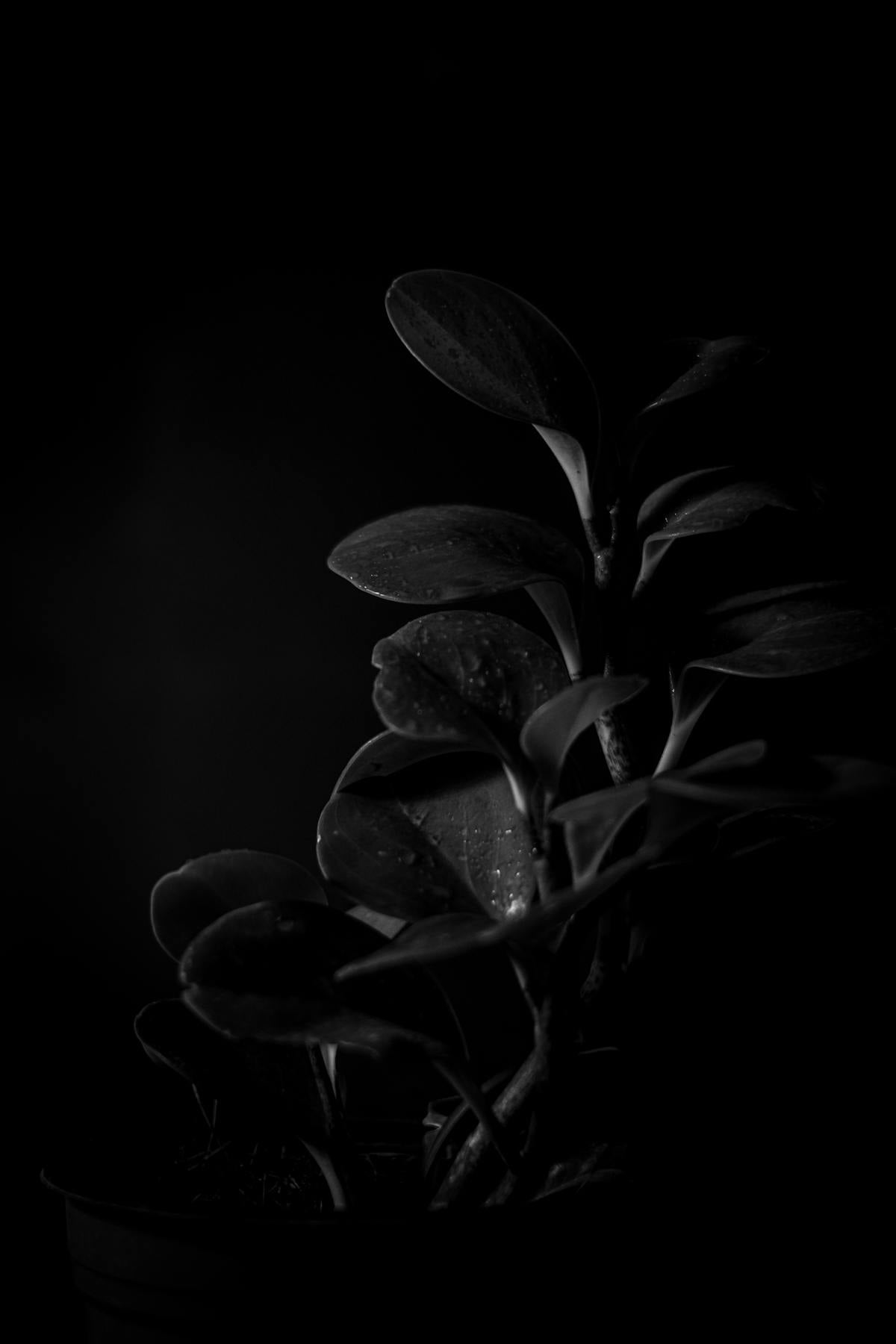
A leafless node is a stem joint where a leaf once attached, still holding an axillary bud and meristematic cells capable of roots and a new shoot. Internode-only pieces lack that engine and usually rot (apical dominance explains why buds stay quiet until the stem is severed and local signals change).
Hobbyists call unrooted bare sections wet sticks. Peperomia obtusifolia suits the method because stems are semi-succulent and store usable carbohydrate (stem water-storage anatomy; Missouri Botanical Garden). Soft, translucent, or foul tissue is not salvageable — discard it.
2. Propagate Leafless Peperomia Nodes: 5 Proven Steps
Step 1 — Select firm tissue. Choose green, turgid stem with at least one clear node (ring or slight thickening). Avoid yellowed, mushy, or paper-dry sections from advanced rot.
Step 2 — Cut and brief surface dry. Cut with a sterile blade just beyond the node so the node stays intact. Allow the cut faces ~12–24 hours of air-dry in shade so the wound seals lightly — long enough to reduce open-wound infection risk, short enough that the stick does not desiccate (callus timing).
Step 3 — Medium contact. Squeeze excess water from soaked sphagnum until damp, not dripping. Lay the node horizontally with the bud side in firm contact. Damp perlite in a shallow tray is the main alternative when moss is unavailable.
Step 4 — Seal humidity. Close a clear box or bag so air around the node stays near saturation. Room RH of 40–60% is correct for mature plants but too dry for a leafless stick. Brief weekly venting reduces stagnant-air mould without collapsing the microclimate.
Step 5 — Warmth and light. Hold 18–24 °C. Provide bright indirect light — roughly the lower half of the species’ 2,000–4,000 lux band — and keep sealed boxes out of unfiltered sun so the enclosure does not cook. Do not dig the node up weekly to “check”; wait for visible roots or bud swell.
3. Why Humidity Beats Leaves (Energy Deficit)
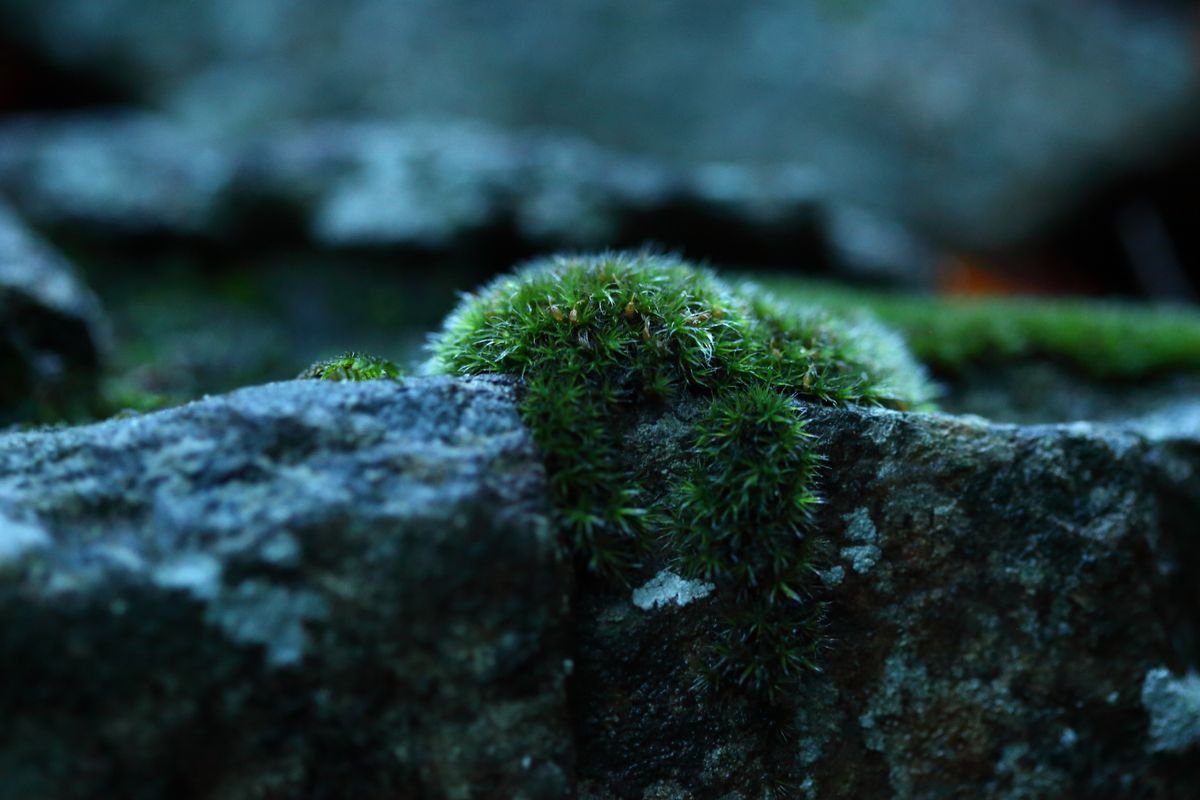
A leafy cutting exports photosynthate while roots form. A leafless node spends only stem reserves. High enclosure humidity cuts transpirational loss so those reserves fund cell division instead of drought survival.
| Failure | Mechanism | Fix |
|---|---|---|
| Shrivelled stick | RH too low / medium dry | Reseal; remoisten moss to damp |
| Soft brown rot | Waterlogged + stagnant air | Drier medium; brief vents; discard mush |
| No change at 10 weeks | Cool room / dormant weak bud | Raise to 18–24 °C; optional cytokinin later |
Opinion: Cytokinin paste is not required to propagate leafless peperomia nodes. Competitors who succeed with moss-and-box alone are describing the primary physiology correctly; paste is a later hormonal nudge, not the foundation.
4. Extra: Medium Choice and Optional Cytokinin
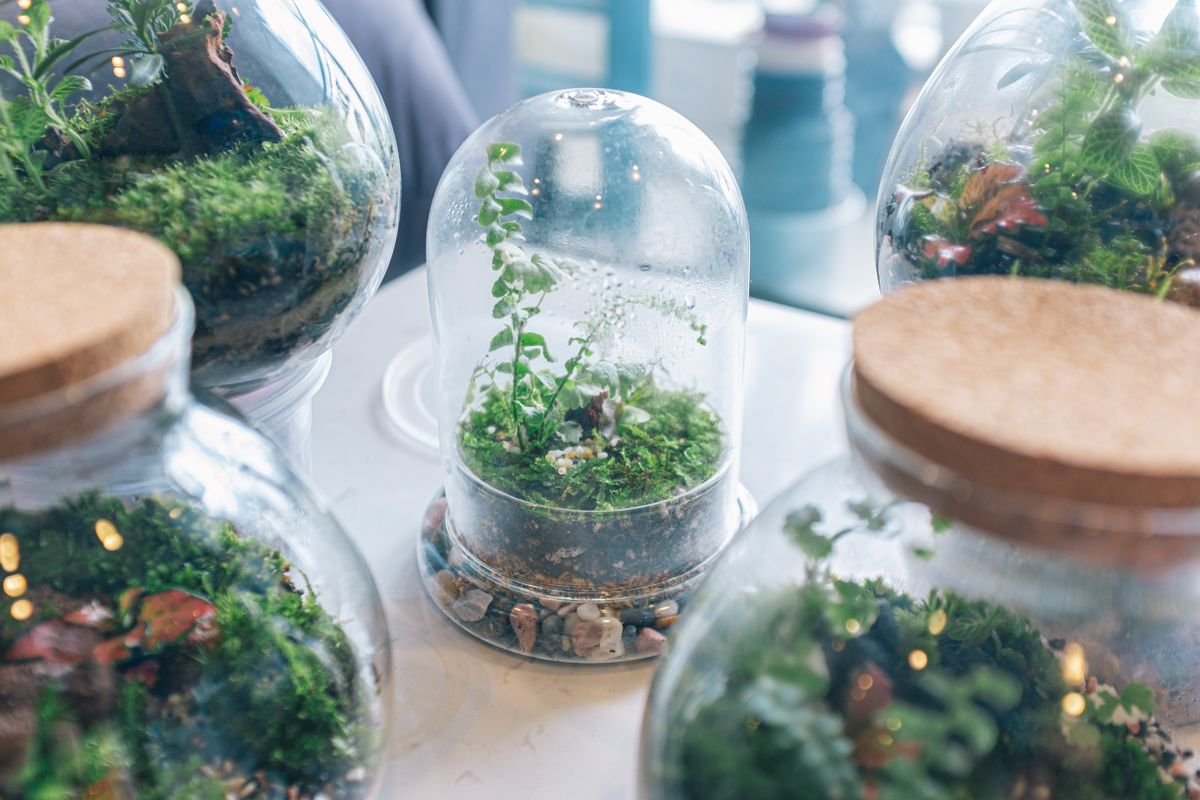
Sphagnum — best default: holds moisture against the node while staying aerated if wrung out well.
Perlite / coarse mix — good mass-prop trays; mist to damp rather than flooding.
Water — possible for longer sticks but awkward for short bare nodes that sink and go anaerobic; prefer leafy water props instead.
If a sound node shows no bud swell after 6–8 weeks in correct conditions, a pinhead of cytokinin paste on a lightly scored node is the escalation path — dose and warnings live in the Keiki paste guide, not here. Excess paste produces clustered micro-shoots rather than one usable stem (cytokinin).
For variegated stock, only nodes that still show patterned tissue are worth this effort (variegated node propagation).
5. When to Use This Method — and Aftercare
| Scenario | Use leafless node? | Better alternative |
|---|---|---|
| Healthy stem with leaves | No | Stem cutting |
| Leggy tip still leafy | Rarely | Prune / re-root tip |
| Bare mid-stem after leaf drop | Yes | — |
| Rot rescue with firm green segments | Yes | Discard soft tissue first |
| Intact plant, want side branching | No | Keiki on living stem |
When roots are ~2–3 cm and a shoot has opened true leaves, pot into a free-draining mix (≥30% perlite by volume), keep slightly more frequent moisture for 1–2 weeks, then return to the usual dry-down cycle. Do not fertilise until active growth resumes.
Conclusion
Propagate leafless peperomia nodes when leaves are gone but firm axillary tissue remains: damp contact medium, sealed humidity, 18–24 °C, and patience measured in weeks. Treat cytokinin as optional escalation. If you still have leaves on the stem, use them — biology prefers a photosynthetic cutting over a wet stick every time.
Care FAQ
Can you propagate Peperomia from a leafless node?
Yes. A firm node with an intact axillary bud can produce roots and a shoot when laid on damp sphagnum or perlite inside a sealed humidity enclosure at about 18–24 °C. Expect 6–8 weeks before reliable bud break; leafy stem cuttings remain the default method.
What is a wet stick on Peperomia?
In hobby language, a wet stick is an unrooted stem section — often a bare node with little or no leaf. For Peperomia obtusifolia it means the same biology: meristem at the node, carbohydrate stored in the semi-succulent stem, and high humidity to stop desiccation before leaves return.
Do leafless peperomia nodes need Keiki paste?
Not as a first step. Most bare nodes respond to humidity, warmth, and moisture contact alone. Cytokinin paste is an optional escalation for stubborn dormancy after several weeks with no bud swell — see the dedicated Keiki paste guide.
How long do leafless peperomia nodes take to sprout?
Under 18–24 °C and a sealed damp medium, roots and shoots commonly appear in 6–8 weeks. Cooler rooms or dry media stretch the timeline; soft or rotting tissue fails earlier and should be discarded.
Should I put a bare peperomia node in water?
Water can work but is harder to keep a short node from submerging fully and going anaerobic. Prefer horizontal contact on damp sphagnum or perlite in a closed box; reserve water for longer leafy stem cuttings.
Why did my leafless node shrivel or rot?
Shrivel = enclosure humidity too low or medium bone-dry. Soft brown mush = medium waterlogged with stagnant air. Aim for damp (not dripping) medium, brief weekly venting, and only firm green stem.