
Humic Acid for Peperomia Obtusifolia: Benefits & Limits
Humic acid for peperomia is a soil conditioner, not a fertiliser. On Peperomia obtusifolia it may improve nutrient availability through higher effective cation exchange capacity (CEC) and chelation, with a possible auxin-like nudge to lateral roots — but it does not replace dilute N-P-K, free-draining mix, or correct light (humic acid; CEC; chelation; species context: NC State).
NPK rates and schedules belong in the fertilizer guide. Mix design belongs in the soil recipe. This article is what humic substances can do in the root zone — and where marketing overreaches, distinct from the broad routine covered in the complete care guide.
| Role | Humic acid | Fertiliser |
|---|---|---|
| Supplies N-P-K | Trace at most | Primary job |
| Holds / frees ions | CEC + chelation | Adds ions |
| Fixes anoxic mix | No | No |
| Typical use | Optional drench / amendment | Dilute monthly in growth season |
1. Humic Acid for Peperomia: What It Actually Is
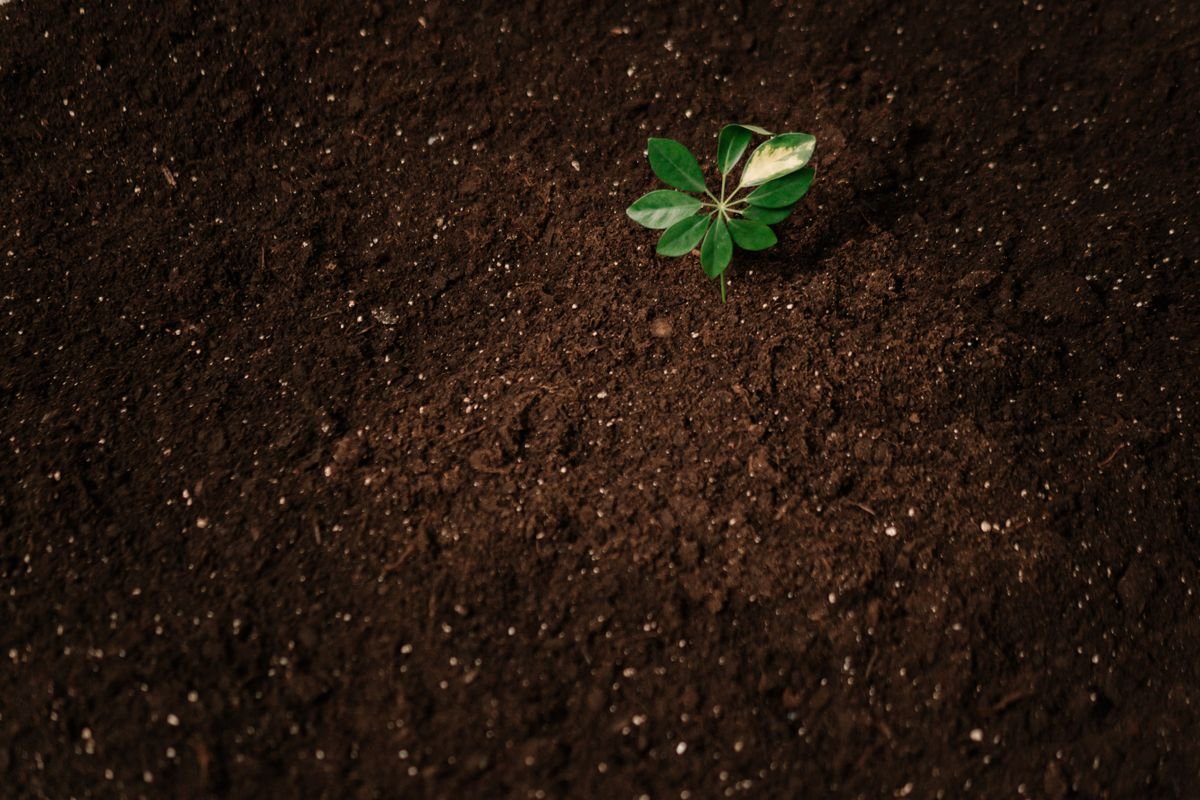
Commercial “humic acid” is usually a mixture of humic and fulvic fractions extracted from leonardite, peat, or composted organics with alkaline processing. Composition varies by source — products are not interchangeable chemistry (UF/IFAS humic substances note).
P. obtusifolia is a light feeder that wants a well-drained, peaty potting mix (Missouri Botanical Garden). Peat-heavy indoor mixes already hold cations tightly; roots are shallow and salt-sensitive. A conditioner that keeps micronutrients soluble can help after you stop overfeeding and waterlogging — not instead of those fixes (roots & oxygen).
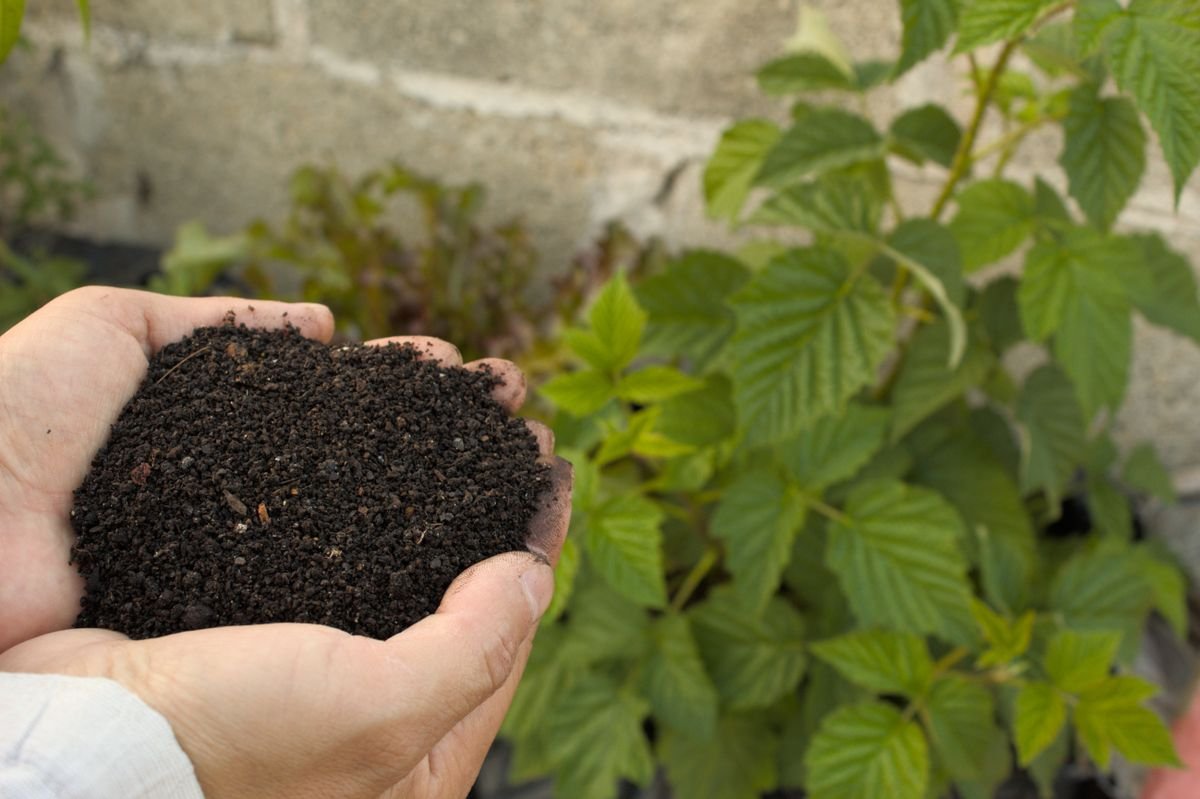
Expect dark liquid or coffee-ground granules. Colour alone is not potency. If the label lists only “organic matter” with no guidance, treat the product as an unknown and stay at the weak end of any suggested rate.
2. Three Proven Root-Zone Benefits (With Limits)
1 — CEC and nutrient holding. Humic molecules carry many exchange sites. They can hold Ca²⁺, Mg²⁺, K⁺ and related cations in a form roots can access more readily than when ions are locked to clay/peat surfaces.
2 — Chelation of micronutrients. Organic ligands can keep Fe and similar ions soluble when pH drifts upward (hard tap water is a common indoor driver). That may reduce iron-related chlorosis when the diagnosis is availability, not light deficit (yellow leaves; soil pH context: Clemson).
3 — Possible root architecture support. Literature on other crops reports auxin-like responses and denser fine roots with humic substances. Treat that as a plausible bonus for Peperomia, not a proven species-specific cure for stunted roots (stunted roots). A stronger, more established root system also tolerates a heavier canopy without repotting sooner than necessary — relevant if you're growing a specimen up a support; see the pruning guide for managing top growth instead of relying on root supplements alone.
Opinion: Humic acid is optional. A ≥30% perlite (or equivalent) mix plus fertiliser diluted to ~25–50% strength in spring–summer will outperform any conditioner poured into a soggy, salt-crusted pot.
Secondary claims — drought tolerance, disease suppression, “miracle growth” — are weakly evidenced for container Peperomia. If growth stalls, measure lux (a working target of roughly 2,000–4,000 at the leaf) and check dry-down before buying another bottle.
3. How to Apply Without Overdoing It
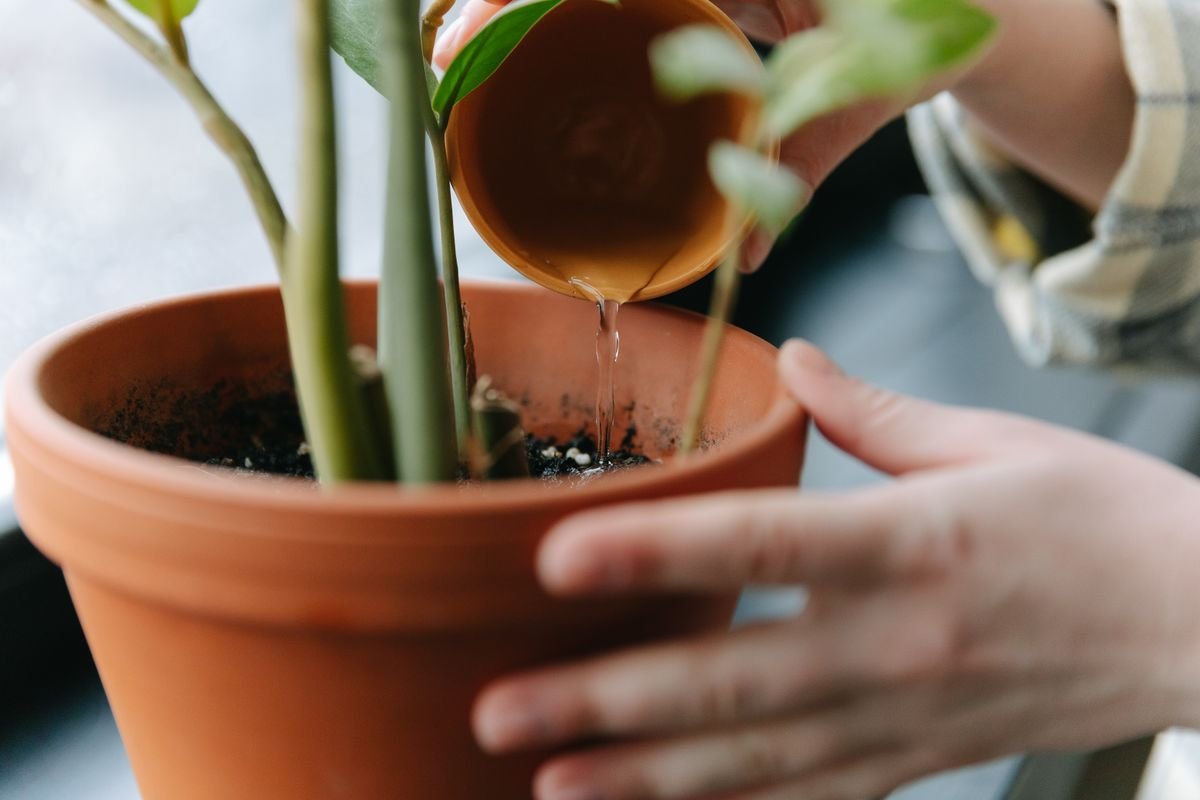
Liquid drench (maintenance). Follow the label. A common houseplant pattern is a weak drench every 4–6 weeks in active growth, often mixed with dilute fertiliser. Skip in winter when growth slows. Never use full-strength fertiliser “because humic will unlock it” — salt burn still wins (fertilizer burn).
Granular / leonardite at repot. Blend a small labelled amount into fresh mix — do not replace aeration. White crust on the pot rim is salt, not a cue to add more organic acids (salt buildup; leaching).
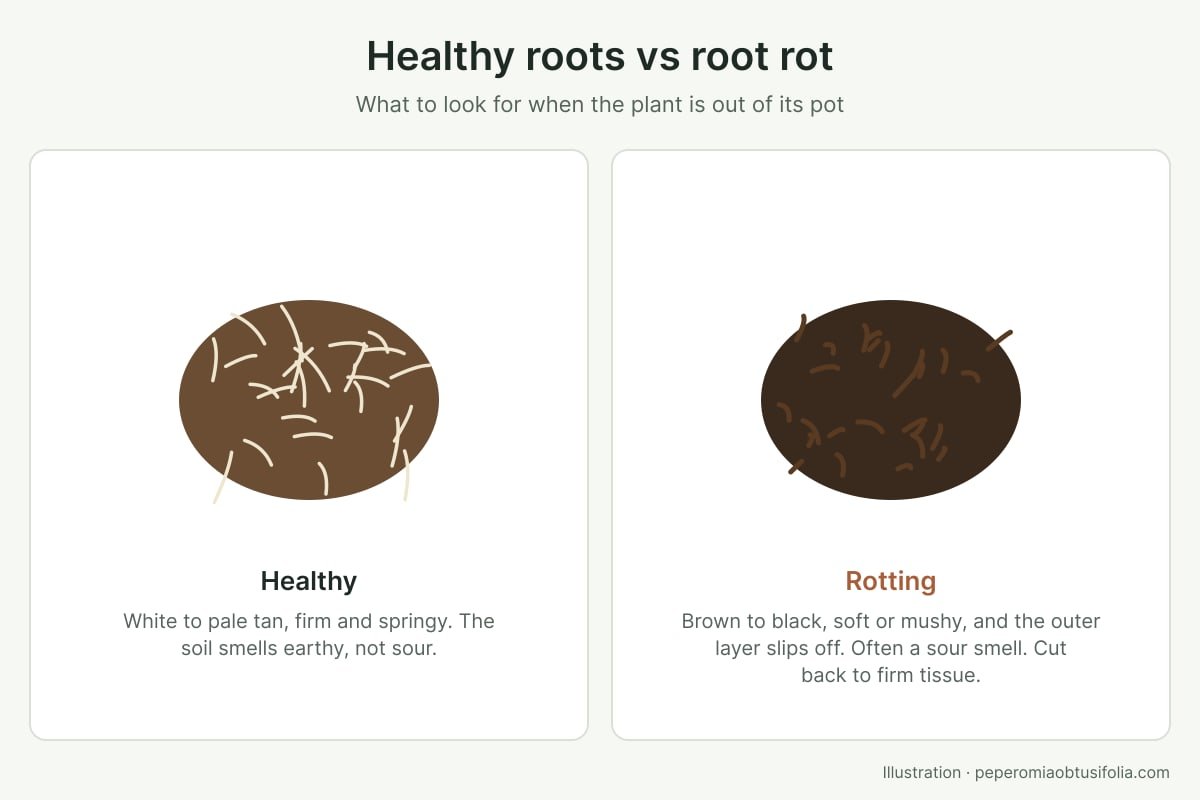
Do not apply to rotting roots. Conditioner will not oxygenate anoxic media. Unpot, trim soft roots, and restart in airy mix first.
Not applicable to inorganic media. If growing in LECA rather than a peat-based mix, humic acid's CEC benefit doesn't transfer, since the exchange-site chemistry depends on organic substrate particles that LECA doesn't have — nutrient solution strength and reservoir management matter more there than a humic drench.
| Goal | Pair with humic? | Skip humic if… |
|---|---|---|
| Steady spring growth | Dilute balanced liquid feed | Mix stays wet for long periods |
| Hard-water chlorosis suspect | Check light first; then chelation help | Leaves yellow from dark room |
| Repot refresh | Small leonardite in airy mix | Reusing old soggy peat as-is |
4. Extra: Humic vs Fulvic, Marketing Claims, and When to Skip
Fulvic fractions tend to be more soluble and mobile; humic fractions linger and contribute more to exchange capacity. Bottles often blend both — read the analysis if provided.
Skeptical filters: ignore vague percentage uptake claims without a cited study on your conditions; ignore products sold as miracle fertiliser; ignore advice to soak chronically wet pots. Microbial “activation” marketing is hard to verify in sterile peat mixes — aeration and dry-down cycles matter more for Pythium risk than a dark drench.
Conclusion
Humic acid for peperomia can support CEC, chelation, and optionally finer roots — as a conditioner beside dilute feed. Fix drainage, light, and salt load first; then, if you want a biostimulant, use a labelled weak drench on a healthy root system. If the plant already thrives on aerated mix and half-strength fertiliser, skipping humic is a rational choice — not a care failure. None of this changes anything about where you place the plant, covered separately in the feng shui placement guide — root-zone chemistry and room positioning are unrelated questions.
Care FAQ
Is humic acid a fertiliser for Peperomia?
No. It is a soil conditioner / biostimulant. It does not replace N-P-K. Use a dilute balanced liquid fertiliser in spring–summer and treat humic products as optional helpers for nutrient availability and root-zone chemistry.
How does humic acid help Peperomia roots?
Humic substances can raise effective cation exchange capacity and chelate micronutrients so more ions stay plant-available. Some studies report auxin-like effects on lateral roots in other crops — treat that as a plausible bonus, not a guarantee for Peperomia.
Can I mix humic acid with fertiliser?
Yes. Many growers drench liquid humic with a diluted feed every 4–6 weeks in active growth. Follow the product label; more is not better on a shallow-rooted light feeder.
Humic vs fulvic acid — which for houseplants?
Both are humic substances. Fulvic fractions are generally smaller and more soluble; humic fractions are larger and linger more in the medium. Commercial bottles often blend both. Mechanism overlap (chelation, organic carbon) matters more than the brand name.
Will humic acid fix yellow leaves?
Only if the limit is micronutrient availability or salt stress — not if the cause is low light, overwatering, or root rot. Diagnose first; do not pour conditioner on anoxic roots.
How often should I apply humic acid to Peperomia?
A typical liquid schedule is once every 4–6 weeks in spring–summer with watering. Skip or reduce in winter dormancy. Granular leonardite at repot is a slow background option — still keep ≥30% aeration in the mix.