Is Peperomia Obtusifolia Toxic to Dogs?
Peperomia obtusifolia toxic to dogs? No. The ASPCA lists P. obtusifolia (baby rubber plant, pepper face, American rubber plant) as non-toxic to dogs (ASPCA baby rubber plant; dogs plant list). Non-toxic means no known systemic plant poisons — not that leaves are dog food, and not that nursery pesticides or fertiliser-rich soil are harmless (NC State; Missouri).
Cats → toxic to cats. Birds/reptiles → birds & reptiles. Multi-species overview → is it toxic?. This page is canine only.
| Claim | For dogs |
|---|---|
| ASPCA status | Non-toxic |
| Systemic alkaloids / cycasin | Not listed |
| Vs golden pothos / sago palm | Those are toxic; peperomia is not |
| Large leaf meal | Possible mild fibre GI upset |
| Digging the pot | Fertiliser / pesticide risk |
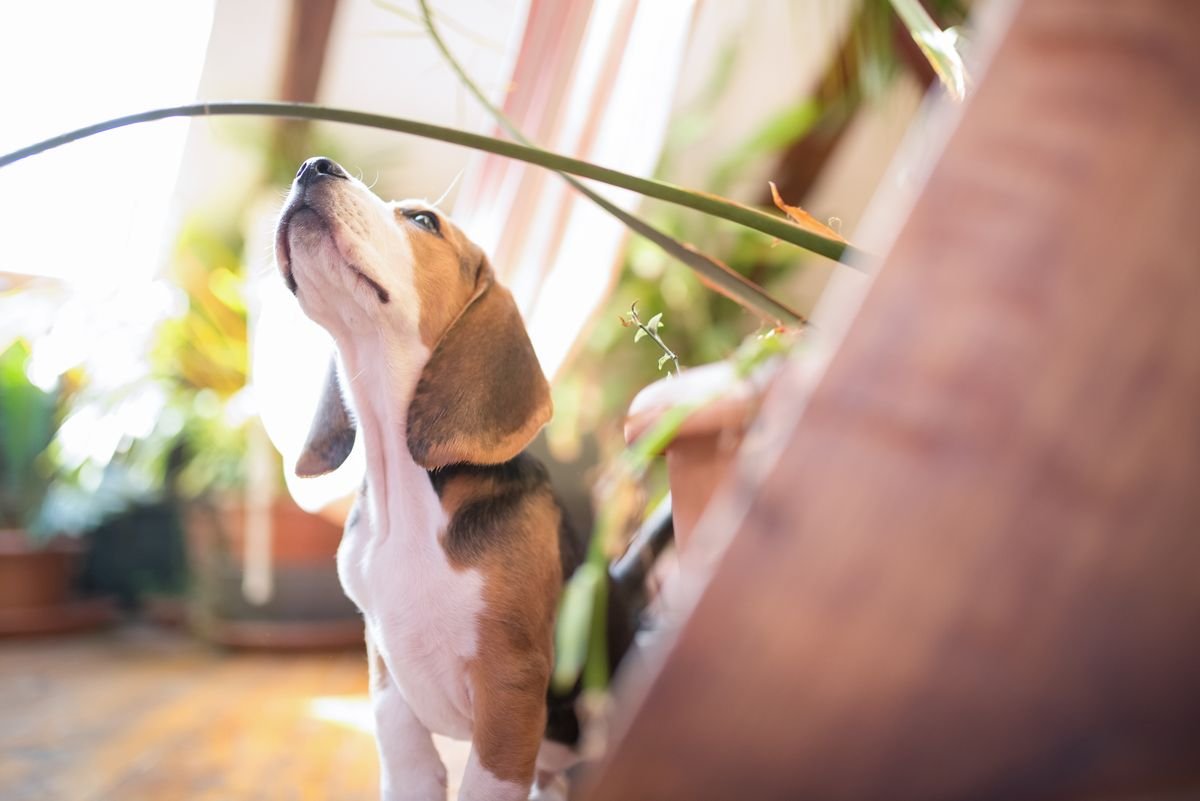
1. Peperomia Obtusifolia Toxic to Dogs: The ASPCA Verdict
ASPCA Animal Poison Control is the reference listing for US pet-plant toxicology.
- Listing: Non-toxic to dogs (also to cats and horses).
- Meaning: No toxic principles or clinical poisoning signs are attributed to the plant itself on that entry.
- Severity contrast: Sago palm (Cycas revoluta) can cause acute liver failure. Golden pothos causes oxalate oral pain. P. obtusifolia is not in those categories — do not treat every “plant nibble” as one risk level.
- If you need triage: Your veterinarian, ASPCA APCC (888) 426-4435, or Pet Poison Helpline — bring a photo or sample for ID.
Common peperomia houseplants (watermelon, ripple, red-edge) are generally treated the same way, but match the Latin name to the ASPCA database rather than trusting a vague retail label.
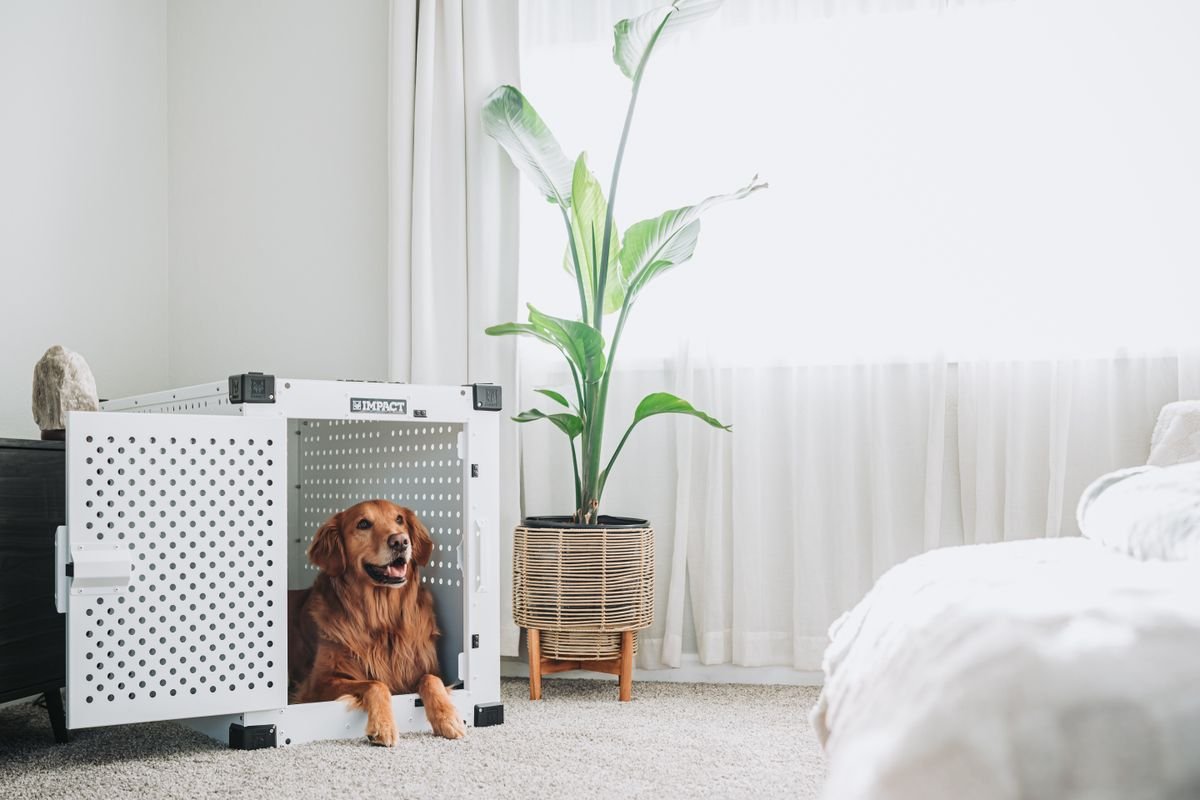
2. Why Dogs Still Vomit: Fibre, Puppies, and ID Traps
Dogs are not built to digest thick cellulose-rich leaves.
- A few exploratory bites usually do nothing.
- A large shredded meal can trigger mild, self-limiting vomiting or diarrhoea — mechanical GI response, not oxalate poisoning.
- Puppies may gulp chunks that become a choking risk even when chemistry is benign.
- Persistent or severe signs → veterinary care; rule out a different plant if ID is uncertain.
Opinion: Non-toxic is a toxicology label, not a chew toy licence. The real household failures are wrong plant ID and dirty nursery residue.
Safer than common lookalikes — not interchangeable care
| Plant | ASPCA (dogs) | Typical concern |
|---|---|---|
| P. obtusifolia | Non-toxic | Fibre GI upset only |
| Golden pothos | Toxic | Insoluble oxalate oral pain |
| Jade / Crassula | Toxic | Vomiting, lethargy |
| Indian rubber plant (Ficus benjamina) | Toxic | Irritant sap |
| Sago palm | Highly toxic | Liver failure |
Care comparison with pothos lives in peperomia vs pothos. Name confusion with Ficus lives in baby rubber vs true rubber.
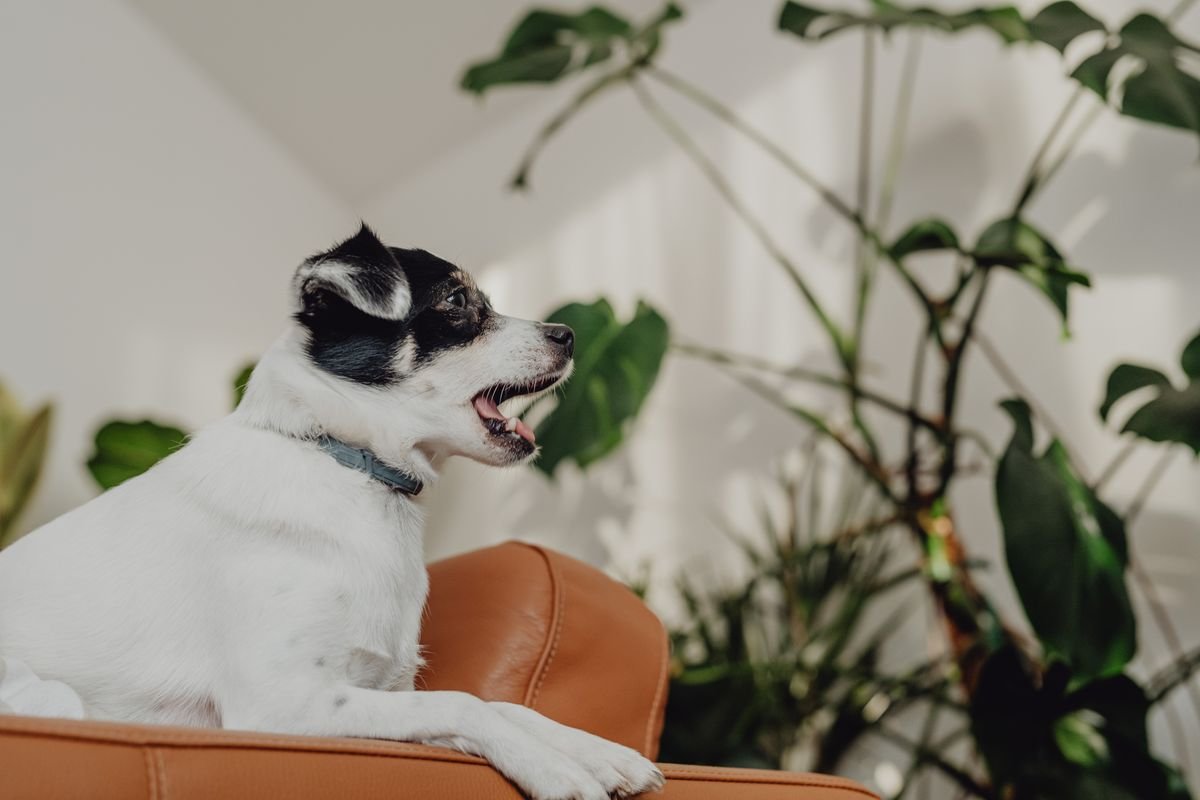
3. Peperomia Obtusifolia Toxic to Dogs: 3 Critical Household Facts
Fact 1 — Chemistry is clear; the pot may not be. New specimens can carry systemic insecticides or leaf shine. Diggers may eat blood meal, bone meal, or fertiliser prills. Wash foliage, consider a fresh mix, and keep diggers supervised (mealybug products; big-box buying).
Fact 2 — Redirect the chewer. Bitter pet-safe sprays, proper chew toys, and elevated or heavy planters protect both gut and leaves. Large dogs tip light ceramic — use stable bases or a plastic liner in a cachepot (terracotta vs plastic).
Fact 3 — Know when to escalate. One vomit after a known peperomia nibble → monitor. Ongoing distress, unknown plant, or possible sago exposure → emergency channels above. Human edibility is separate (is it edible?).
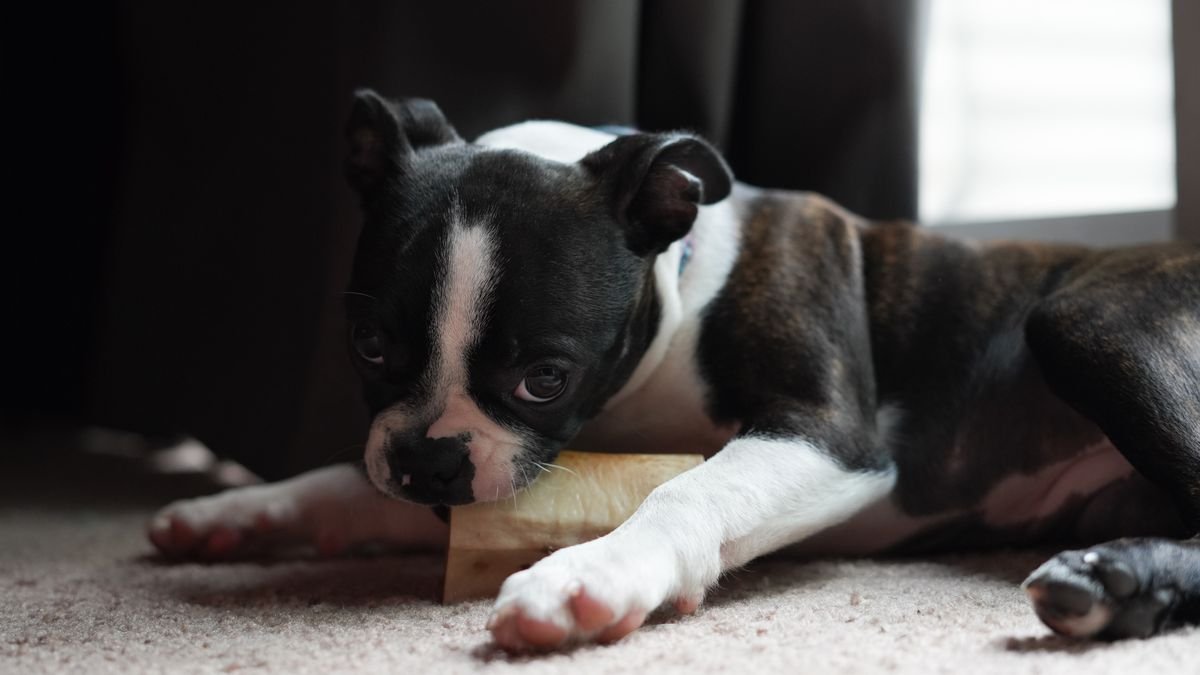
What to Do After Exposure
- Remove the dog from further access — move the plant or the dog, whichever is faster, so chewing doesn't continue while you assess the situation.
- Retain the plant for identification. Keep the pot, a leaf, or a clear photo showing the whole plant on hand. If there's any doubt this is genuinely P. obtusifolia rather than a mislabelled or similar-looking species — rubber trees (Ficus) and jade plant are the two most common mix-ups; the ASPCA lists jade and Ficus benjamina as toxic — this identification is what determines whether you're dealing with a non-event or a real exposure.
- Watch for mild GI signs over the following few hours: brief vomiting or loose stool from leaf fibre is the expected worst case for this species specifically.
- Escalate if signs are more than mild or don't resolve — persistent vomiting, lethargy, drooling, or any neurological sign warrants a call to your veterinarian or ASPCA Animal Poison Control (888-426-4435) regardless of how confident you are in the plant ID, since a wrong identification carries real consequences.
Why "Non-Toxic" Doesn't Mean Safe to Eat Freely
An ASPCA non-toxic listing means no systemic plant poison is attributed to the species — it does not mean the plant is edible, nutritionally appropriate, or risk-free in quantity. A large amount of fibrous leaf material can still cause mechanical GI upset in any dog, and a puppy gulping large pieces faces a genuine choking risk independent of the plant's chemistry. Beyond the plant itself, nursery-applied systemic insecticides, leaf-shine products, and fertiliser prills in the substrate are a separate hazard that the "non-toxic" label says nothing about — these are chemical residues on or around a safe plant, not a property of the plant.
Safer Placement and Prevention
For a household with a known chewer or a young, still-mouthing puppy, elevate pots out of easy reach rather than relying on the plant's non-toxic status as sufficient protection on its own — a heavy, stable planter on a shelf or stand removes both the chewing opportunity and the tip-over risk of a large dog knocking over a floor-level pot. Redirect chewing behaviour toward appropriate chew toys rather than assuming a non-toxic plant is an acceptable substitute. If digging in the substrate is the actual behaviour of concern rather than leaf-chewing, a layer of decorative stone or a substrate topper makes the soil itself less accessible without changing the plant's care needs.
Sources and Review Date
Primary source: ASPCA Animal Poison Control — baby rubber plant listing, cross-checked against the ASPCA dogs plant list. Species reference: NC State Extension and Missouri Botanical Garden Plant Finder. This page was last reviewed against the current ASPCA listing on 2026-08-03 — always re-check the live ASPCA page before relying on a toxicity claim, since listings are periodically updated.
Conclusion
Peperomia obtusifolia toxic to dogs? No on ASPCA listings — far safer than pothos, jade, Ficus benjamina, or sago palm. Expect possible mild fibre upset if your dog overdoes the salad, treat nursery chemicals and fertiliser digs as the real toxin risks, and redirect chewing so neither gut nor glossy leaves take the hit.
Care FAQ
Is peperomia obtusifolia toxic to dogs?
No. The ASPCA lists Peperomia obtusifolia (baby rubber plant / pepper face / American rubber plant) as non-toxic to dogs. It is not classed with insoluble-oxalate irritants such as golden pothos or with deadly cycasin plants such as sago palm. Large amounts of leaf fibre can still cause mild, self-limiting vomiting or diarrhoea.
What if my dog ate a Peperomia leaf?
Expect no systemic poisoning from plant chemistry. Monitor for brief GI upset. Persistent vomiting, lethargy, or distress warrants a veterinary call — and confirm plant ID so sago palm or other toxins are not missed. ASPCA Animal Poison Control: (888) 426-4435 (fee may apply).
Are all Peperomia species safe for dogs?
Common houseplant peperomias are widely listed non-toxic to dogs on ASPCA entries. Still verify the Latin name, and never assume nursery pesticide or fertiliser residue is safe to ingest.
Is baby rubber plant the same as the toxic rubber tree?
No. Baby rubber plant is Peperomia obtusifolia, which the ASPCA lists as non-toxic. Rubber trees (Ficus) are a different, unrelated plant, and the ASPCA lists Ficus benjamina ("Indian rubber plant") as toxic to dogs. Always check the scientific name on the tag.
Can soil or fertiliser make a safe plant dangerous?
Yes. Blood meal, bone meal, slow-release fertiliser prills, and systemic insecticides can harm dogs that dig or chew the pot even when the foliage is ASPCA non-toxic. Wash, repot, and supervise diggers.