
Peperomia Genus History: Ruiz & Pavón to Modern Taxonomy
Peperomia genus history starts in 1794, when Ruiz and Pavón formally published Peperomia after documenting Andean and Chilean flora. The name means “pepper-like” (peperi + homoios). The genus now holds roughly 1,400–1,700 species, depending on the source, in Piperaceae — one of the two giant genera of the pepper family alongside Piper. That timeline is genus nomenclature, and it is a separate question from Peperomia obtusifolia's own species-level discovery record — Plumier's illustration, Linnaeus's Piper obtusifolium, and Dietrich's 1831 combination — which is covered in its own section below.
| Milestone | Year | What it established |
|---|---|---|
| Ruiz & Pavón publish Peperomia | 1794 | Genus name and circumscription |
| Linnaeus Piper obtusifolium | 1753 | Basionym of today’s baby rubber plant |
| Dietrich combination | 1831 | P. obtusifolia (L.) A.Dietr. |
| Modern species count | — | ~1,400–1,700 species (POWO about 1,400; Wanke et al. 2006 about 1,500–1,700) |
1. Peperomia Genus History: Ruiz, Pavón, and the 1794 Name
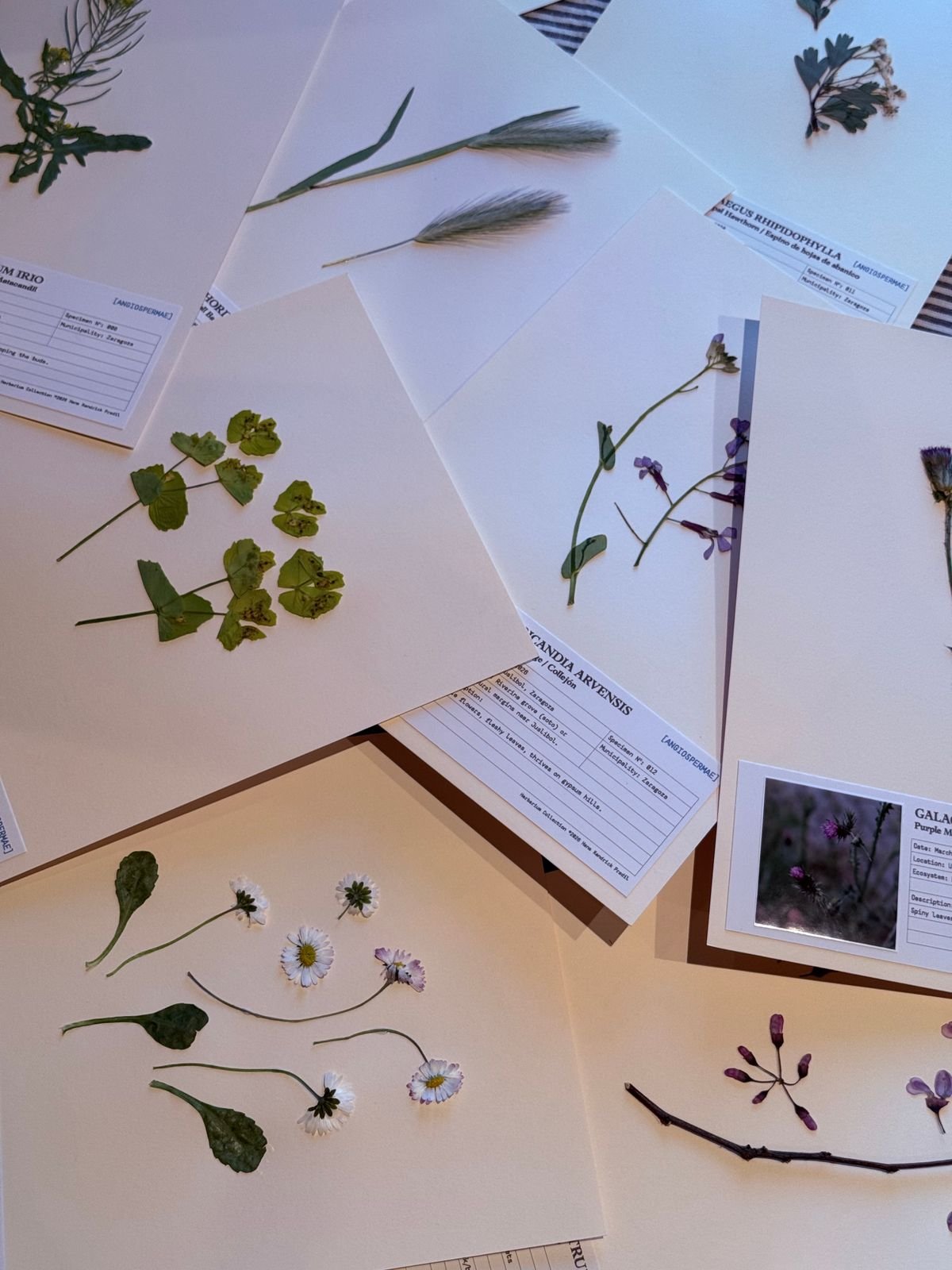
Hipólito Ruiz López and José Antonio Pavón Jiménez spent 1777–1788 collecting under Spanish royal commission. Their Florae Peruvianae et Chilensis Prodromus (1794) is the protologue for Peperomia Ruiz & Pav. (World Flora Online genus record; IPNI).
They needed a genus for soft-stemmed, often fleshy Piperaceae that were not the woodier Piper vines. That morphological split still structures how horticulture talks about “peperomias” versus black-pepper relatives, even though molecular work continues to refine subgeneric groups.
Opinion: Calling every windowsill plant “discovered in 1794” conflates genus publication with species discovery. P. obtusifolia was already in the European literature under Piper before Dietrich moved it.

1b. Plumier to Dietrich: The Separate Species-Level Timeline
P. obtusifolia's own discovery record runs on a different clock from the genus name above, and predates it by a century. The French botanist and Franciscan monk Charles Plumier (1646–1704) documented the plant during his royally commissioned expeditions to the West Indies, including it as an illustration — plate 70 — in his 1693 work Description des plantes de l'Amérique, later designated as the species' lectotype. Sixty years later, Carl Linnaeus classified it in Species Plantarum (1753) as Piper obtusifolium, recognising its affinity to Piper nigrum (black pepper) while noting the blunt, "obtuse" leaf shape that gives the species its epithet. It was not until 1831 that Albert Gottfried Dietrich moved the species into the genus Peperomia — itself already 37 years old by then — producing the combination used today, Peperomia obtusifolia (L.) A.Dietr.
The common name "Baby Rubber Plant" has no taxonomic basis and dates from mid-20th-century interior-design marketing: as Ficus elastica (the true rubber tree) became a popular houseplant, nurseries branded the smaller, easier-to-keep P. obtusifolia — which shares a superficially similar glossy, thick leaf — as its "baby" version. The resemblance is convergent, not phylogenetic: Peperomia sits in Piperaceae and Ficus in Moraceae, and the distinction has practical consequences, since the ASPCA lists P. obtusifolia as non-toxic to cats, dogs and horses but lists Ficus benjamina, which it calls Indian rubber plant, as toxic to cats and dogs (see the toxicity guide). Traditional use of the species in parts of its native range as a folk remedy — applied topically or taken for its high moisture and vitamin content — is recorded in regional ethnobotanical accounts, though these predate and sit outside the formal taxonomic record described above.
2. Etymology and the “Radiator Plant” Label
Peperomia = pepper-resembling. The etymology is taxonomic advertising: floral architecture and family chemistry track toward Piper, not toward rubber trees (family phylogeny overview).
Radiator plant is a later English nickname, often attributed to L.H. Bailey: many compact species tolerate the warm, relatively dry niche of a heated windowsill. It is a horticultural observation, not a Linnaean epithet and not proof that every species wants radiator dryness — arid-window leaf types and cloud-forest epiphytes diverge sharply (succulent vs tropical habits).
3. Piperaceae: Where the Genus Sits
Peperomia and Piper dominate Piperaceae species counts. Other genera (e.g. Zippelia, Manekia, Verhuellia in modern treatments) are far smaller. Shared family signals include minute flowers packed on spikes and often aromatic tissues. That does not make houseplant leaves a spice substitute, and it does not license essential-oil saturation of the leaf boundary layer (essential oils near Peperomia).
Order placement is Piperales under APG frameworks — basal angiosperm territory relative to core eudicots. For care prediction, the useful takeaway is ecological: many species are understorey or epiphytic with shallow, delicate roots (NC State on P. obtusifolia; Missouri Botanical Garden).
4. How Many Species — and Why Counts Move
Modern sources put Peperomia at about 1,400–1,700 species: Kew POWO accepts about 1,400, and Wanke et al. (2006) give about 1,500–1,700 (Wikipedia genus overview). Catalogue-of-Life snapshots and regional floras differ because:
- Synonymy — historical authors published the same plant under multiple names, so far more names appear in the literature than accepted species.
- Cryptic diversity — Andean and Central American forests still yield undescribed taxa.
- Circumscription change — molecular phylogenies revise which morph-groups hold together.
Neotropical centres of richness (Peru, Colombia, Ecuador, Costa Rica, Mexico, Brazil in POWO-based tallies popularised in secondary sources) explain why so many houseplant species look like moist-forest understorey plants even when sold as indoor foliage.
What herbarium history actually teaches. Type specimens and later synonyms are why two nursery labels can name one clone differently. When retail tags disagree, prefer an accepted binomial from a checklist over a marketing phrase. Genus-level synonym lists (historical segregates such as Micropiper, Acrocarpidium, and others now sunk) show how often morphologists split what molecular data later reunited.
5. Three Ecological Strategies Inside One Genus
Encyclopedic treatments group habits roughly as:
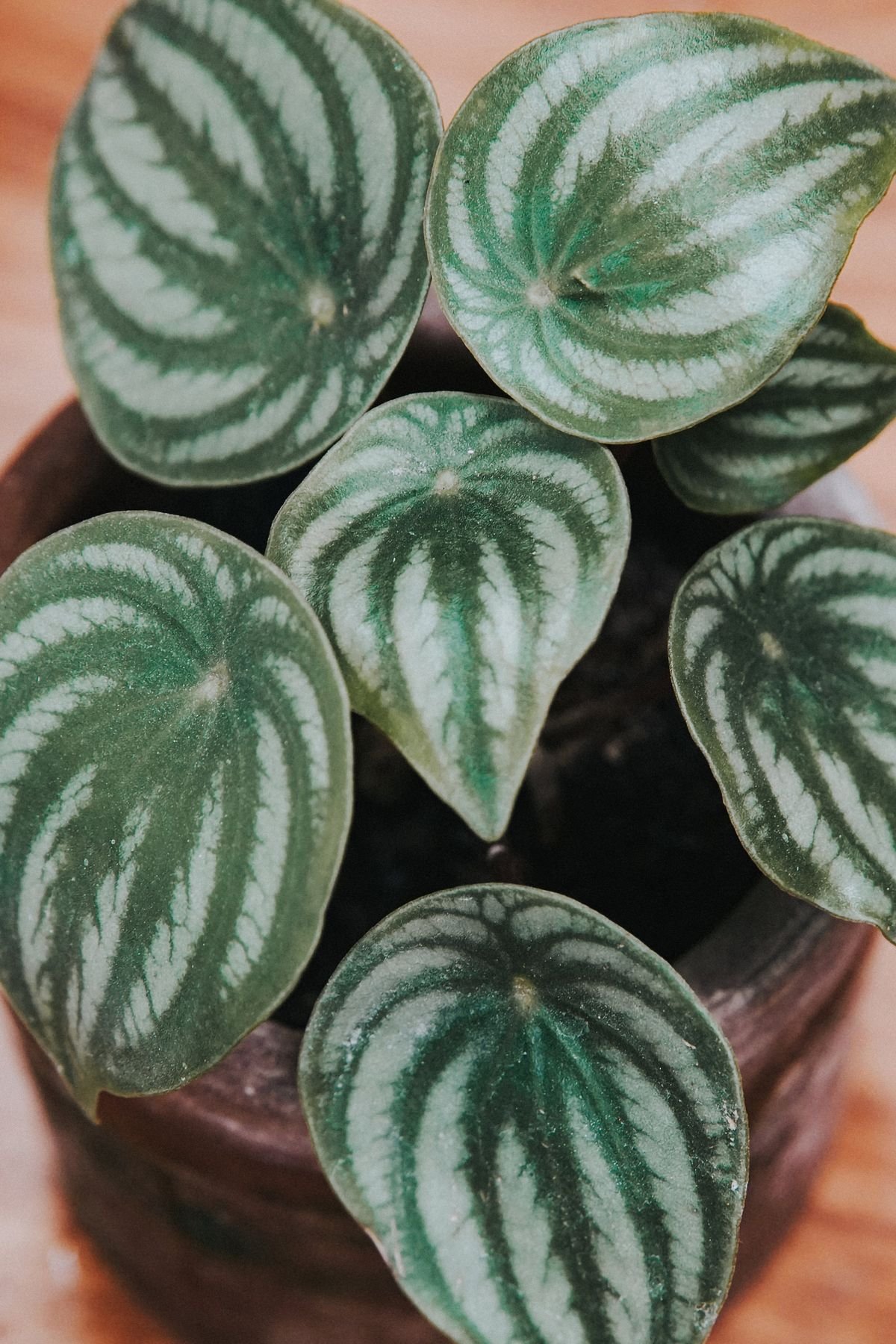
- Shaded foliage epiphytes / lithophytes — thickish leaves, small root systems, high humidity tolerance (P. obtusifolia, P. argyreia, P. caperata types).
- Arid-window succulents — tubular or windowed leaves, stronger drought buffering (P. graveolens, P. dolabriformis types).
- Geophytes — seasonal leaf loss, underground tubers (dozens of species; still expanding).
That spread is why a single “peperomia care” meme fails. Genus history explains the label; habit explains the watering rule. Practical culture for the baby rubber plant stays in the care guide.
6. Extra: What Genus History Does Not Decide
Houseplant status. Only a few dozen species dominate retail. Marketing names and unaccepted synonyms still circulate — identification needs accepted binomials, not tote-bag labels (identification guide).
Edibility / medicine. A few wild species enter regional cuisine or folk use; that is ethnobotany of specific taxa, not a blank cheque for eating cultivar leaves from a nursery.
Care from 1794. Ruiz and Pavón documented diversity; they did not publish a lux table. Use measured light and dry-down protocols from modern horticulture, not expedition romance.
Conclusion
Peperomia genus history is a 1794 nomenclatural act, a Greek “pepper-like” name, and two centuries of sorting some 1,400–1,700 species out of a thicker synonymy. Keep that frame separate from P. obtusifolia’s Plumier–Linnaeus–Dietrich path, and the genus stops being décor folklore and becomes a mapped Piperaceae radiation.
Care FAQ
Who discovered the Peperomia genus?
Spanish botanists Hipólito Ruiz López and José Antonio Pavón Jiménez formally published the genus Peperomia in 1794 (Florae Peruvianae et Chilensis Prodromus) after their 1777–1788 expedition in Peru and Chile. That is genus nomenclature — not the same event as the first illustration of Peperomia obtusifolia.
What does the name Peperomia mean?
From Greek peperi (pepper) and homoios (resembling). The name marks morphological and family affinity with Piper (including black pepper, Piper nigrum), not culinary use of houseplant leaves.
How many Peperomia species are there?
About 1,400–1,700, depending on the source: Kew POWO accepts about 1,400, and Wanke et al. (2006) give about 1,500–1,700. Published names number far higher because of historical synonymy and rediscovery; new species continue to be described.
Where is the Peperomia genus from?
Pantropical, with the highest species richness in the Neotropics — especially Andean and Central American moist forests. Species also occur in Africa, southern and eastern Asia, Oceania, and parts of North America and the Caribbean.
Is Peperomia related to black pepper?
Yes at family rank. Both sit in Piperaceae (pepper family). Peperomia species are mostly herbaceous; Piper includes woody vines such as P. nigrum. Shared traits include spike inflorescences and aromatic chemistry, not interchangeable care or edibility.
Was Peperomia obtusifolia named in 1794 too?
No. Linnaeus published the basionym Piper obtusifolium in 1753. Albert Gottfried Dietrich transferred it to Peperomia in 1831 as P. obtusifolia (L.) A.Dietr. Genus naming (1794) and that species combination (1831) are separate nomenclatural steps.