
Can Peperomia Obtusifolia Live in a Bathroom? Thermodynamics & Care
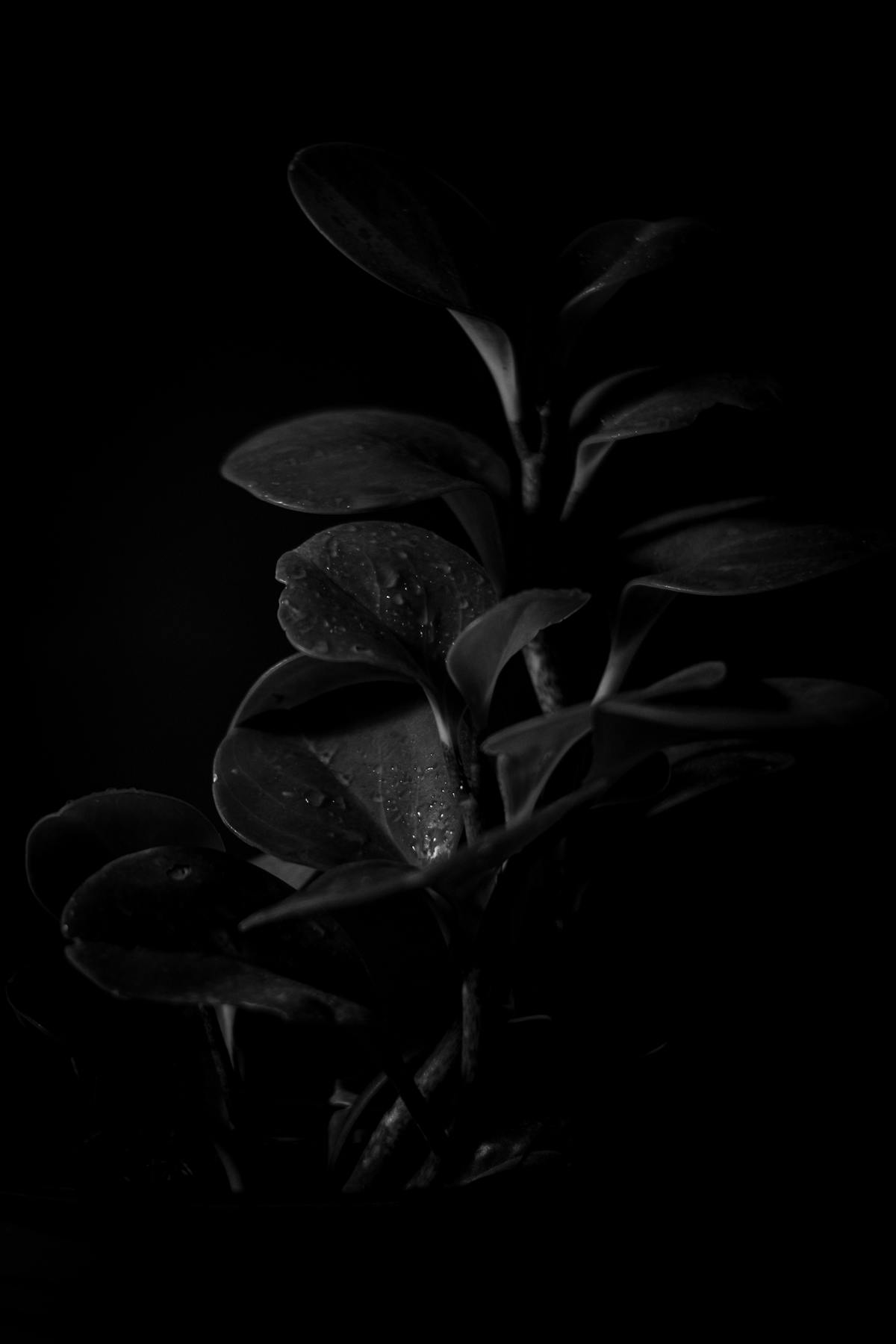
Is Peperomia obtusifolia a good bathroom plant? Yes, provided the environment receives roughly 2,000–4,000 lux of bright, indirect light. Bathroom humidity suits it well enough, but it needs a window to avoid etiolation and a much longer watering interval—often 21–28 days—to compensate for the low vapour pressure deficit (VPD) that slows substrate evaporation.
Most growers assume that because the bathroom is "tropical," it is a universal sanctuary for any plant from the rainforest understory. This is a thermodynamic oversimplification. Peperomia obtusifolia is a facultative epiphyte adapted to filtered light and intermittent drought. In a bathroom, the atmospheric conditions don't just provide moisture; they fundamentally alter the plant's metabolic rate.
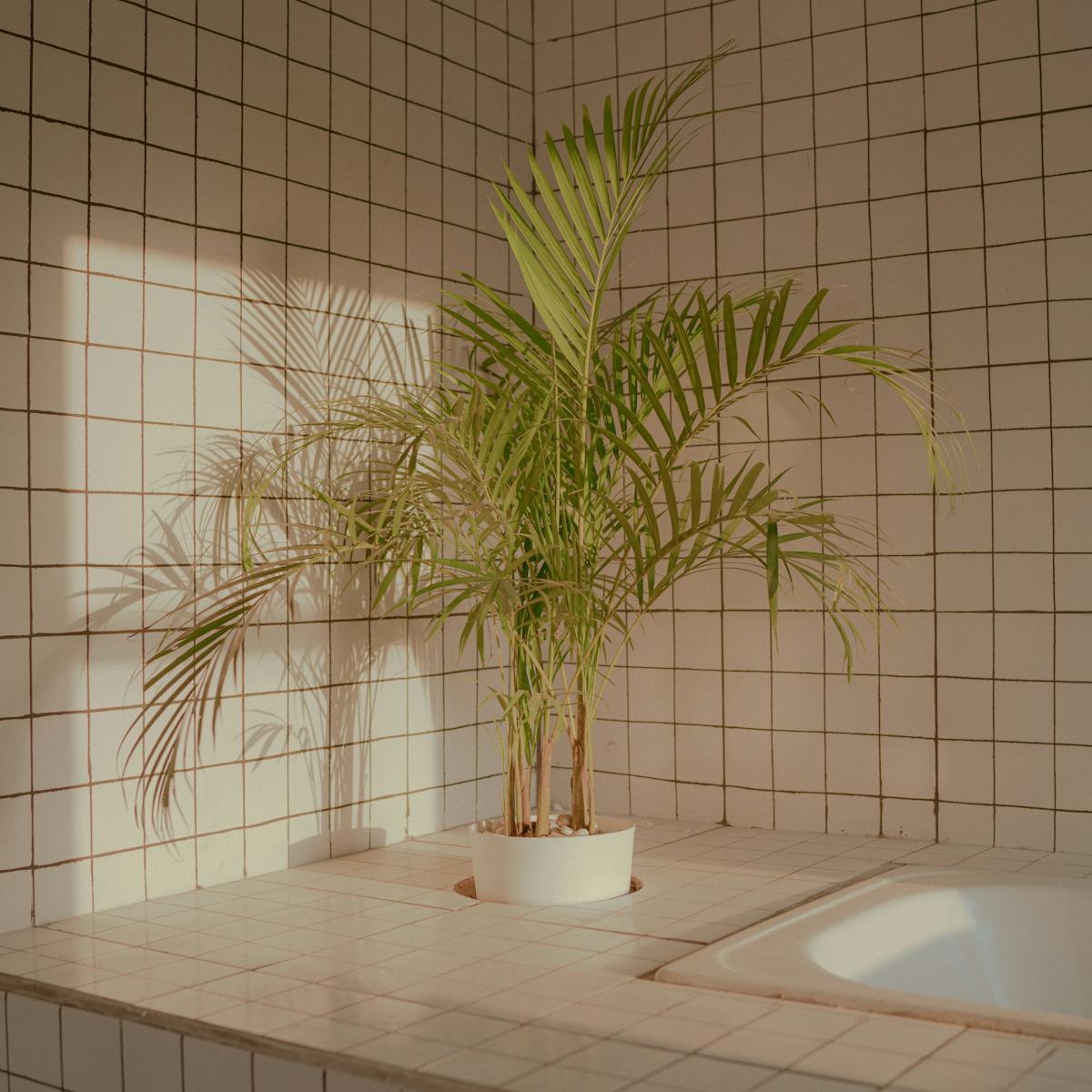
1. The Thermodynamics of Bathroom Humidity: VPD and Stomatal Regulation
In a standard living room, the air is relatively dry. This creates a high Vapour Pressure Deficit (VPD)—the difference between the moisture in the air and the moisture the air can hold. High VPD acts like a vacuum, pulling water out of the plant's stomata and the substrate surface.
In a bathroom, particularly after a shower, the VPD drops toward zero. The air is nearly saturated. Because the atmospheric "vacuum" is gone, transpiration (the movement of water through the plant) slows dramatically.
Why the "Consistent Moisture" Advice Fails
Generic tropical care guides often recommend keeping the soil consistently moist. In a bathroom, this advice is a death sentence. Because the low VPD prevents evaporation, moisture remains in the root zone for extended periods. Substrate that stays wet for long periods starves the fine root hairs of oxygen and leads to root rot (NC State Extension).
The practical calibration: You must wait until the top 2–3 cm of substrate is completely dry and the pot has lost perceptible weight. In a humid bathroom, this interval frequently extends to 3–4 weeks. See the pot-weight method for the precise calibration technique.
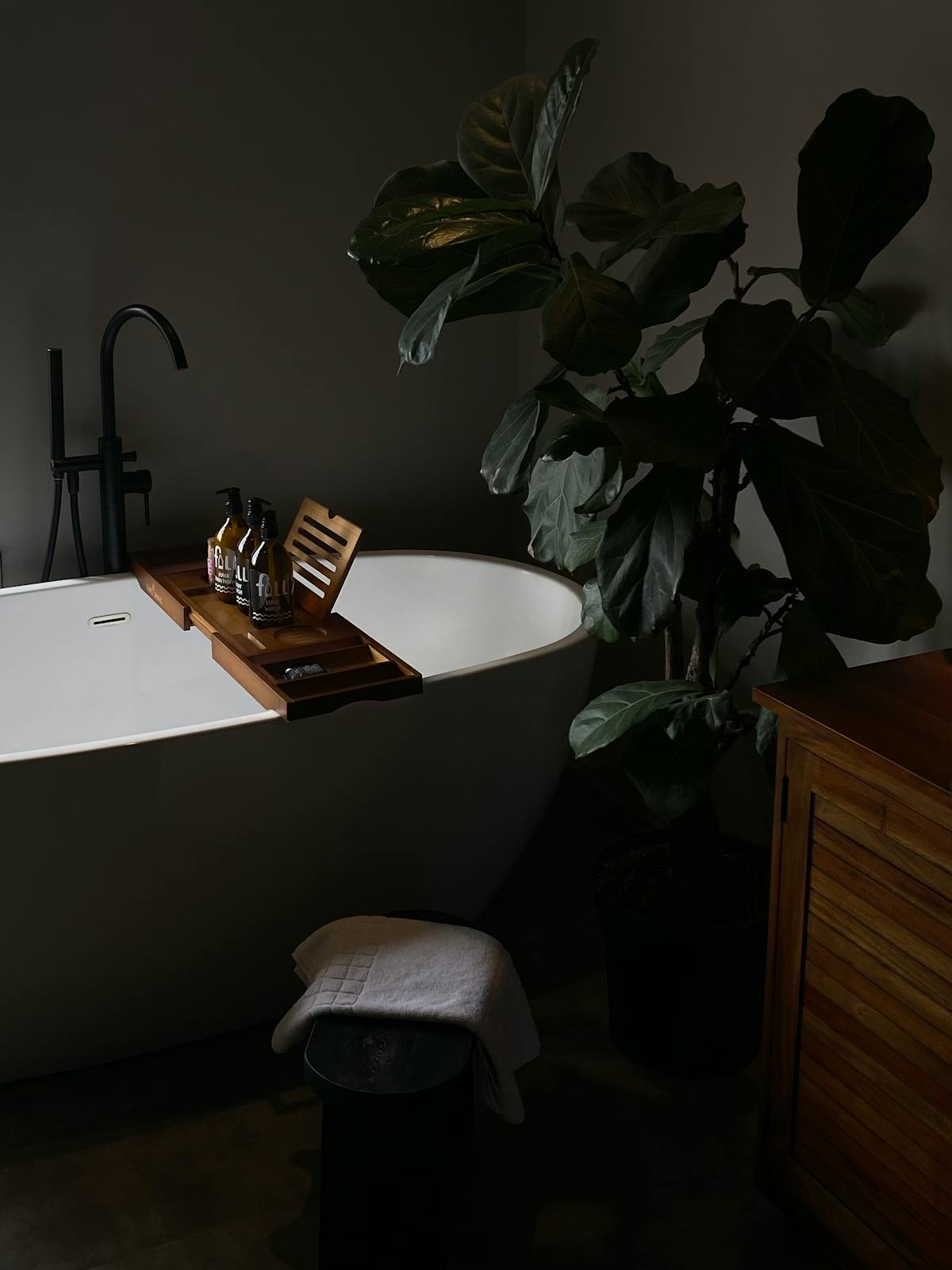
2. Light Thresholds: Why a Window is Not Optional
Peperomia obtusifolia is frequently marketed as "low light tolerant." It can survive at 800–1,000 lux — a tolerated minimum, not a target — but it will not grow with vigour or produce its characteristic compact habit at these levels.
In a windowless bathroom, the plant is in a state of metabolic suppression. It cannot perform sufficient photosynthesis to offset its own cellular respiration. It begins drawing down stored energy reserves in its succulent leaves.
Identifying Etiolation
Below about 800 lux, etiolation begins. You will see the internodes (the space between leaves) lengthen as the plant reaches for a light source. This structural change is irreversible. If your bathroom lacks a window, you must install a supplemental grow light bright enough to bring the leaf surface into the working range below.
For optimal performance, position your Peperomia near a frosted or east-facing window where it can receive roughly 2,000–4,000 lux.
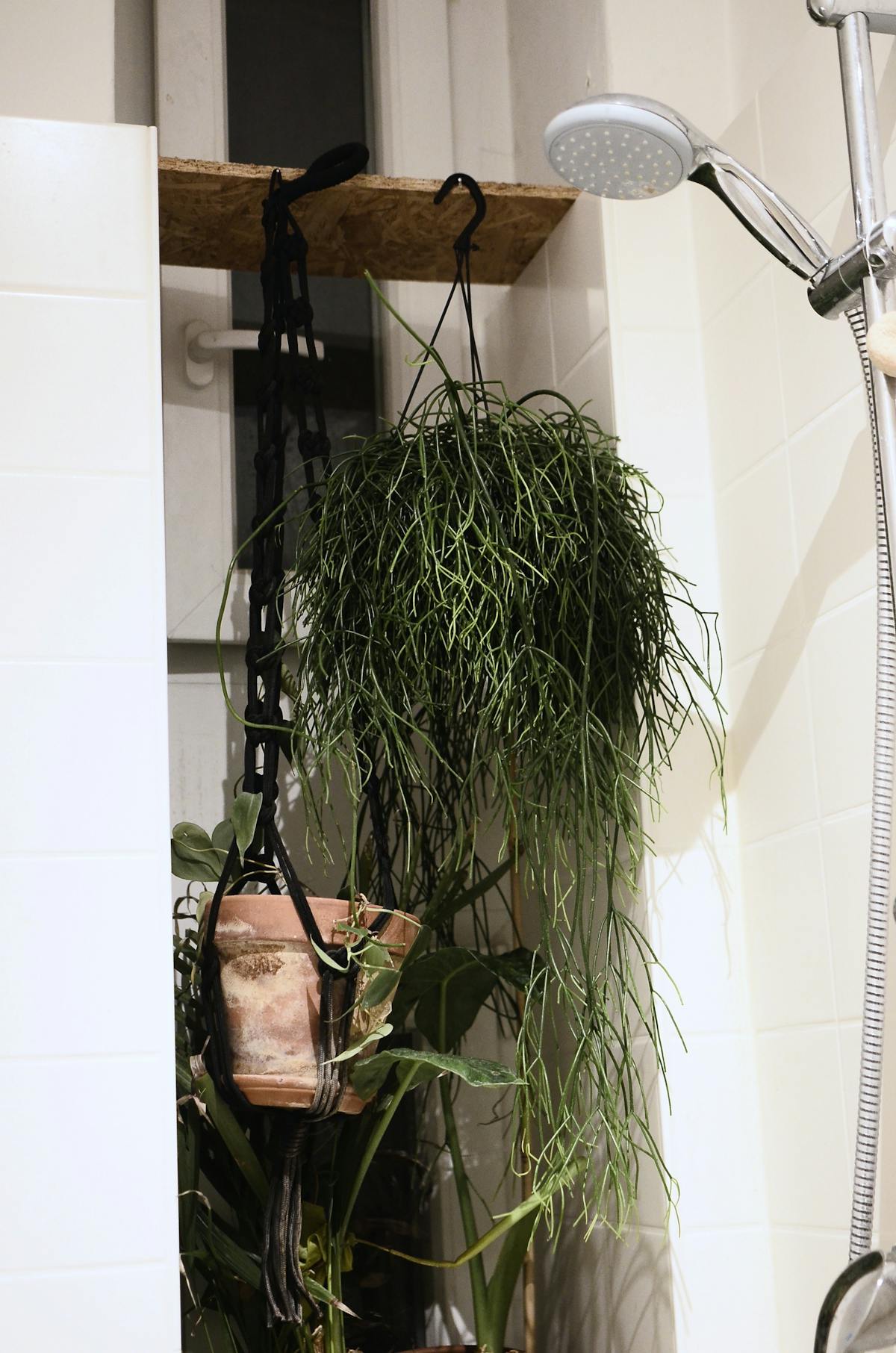
3. Bathroom Styling: Creating a Vertical Jungle
Bathrooms are often space-constrained, making the compact growth habit of Peperomia obtusifolia (typically reaching 30 cm) an asset. However, placement involves more than aesthetics; it involves airflow.
Vertical Placement and Airflow
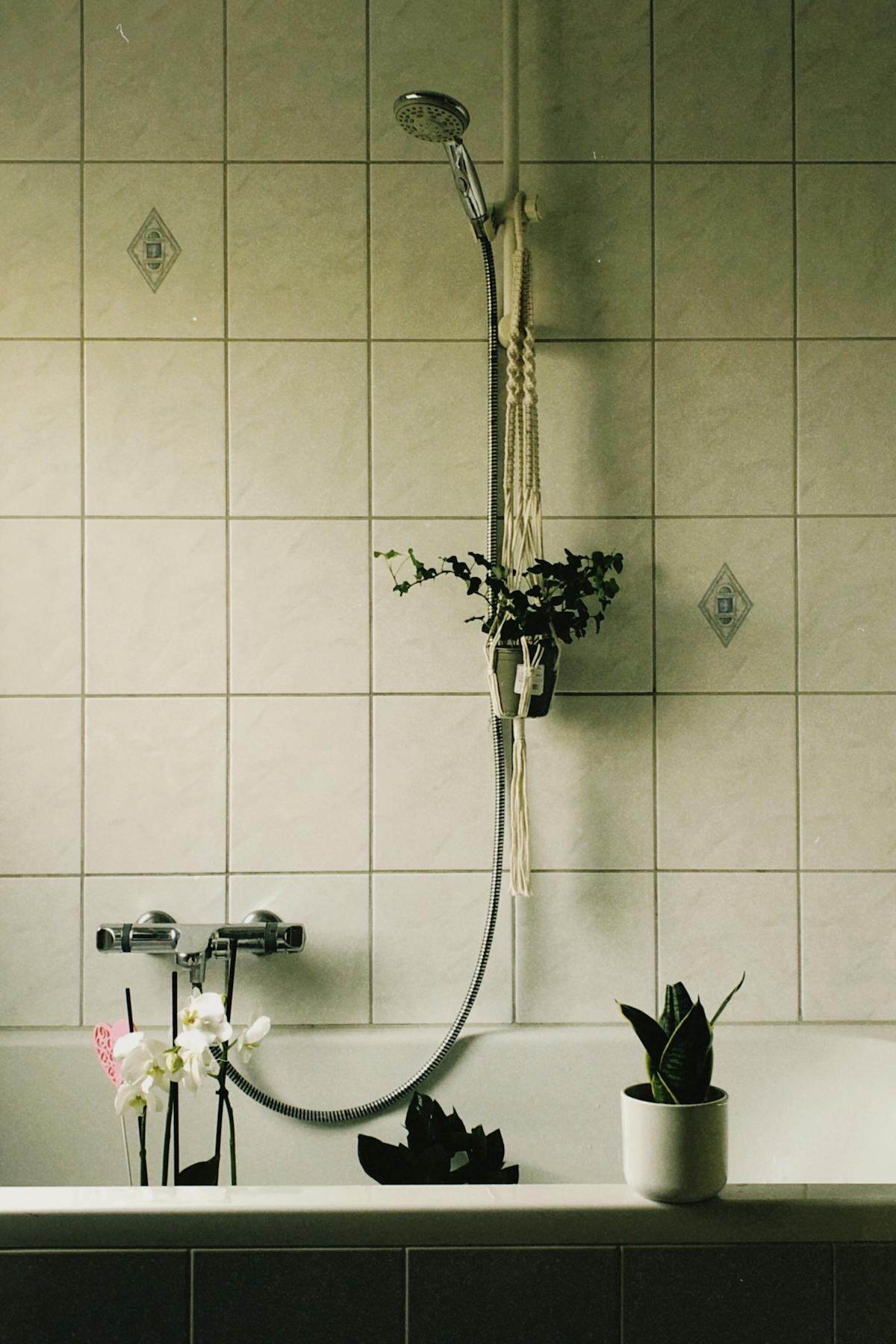
To maximize both space and plant health, consider hanging planters. Stagnant air is the primary catalyst for fungal infections. By elevating the plant, you expose it to more consistent air movement than if it were tucked into a corner of a vanity.
Grouping your Peperomia with other humidity-tolerant companion plants can help stabilise local humidity, echoing the plant's native forest understorey. Keep leaves from touching between grouped plants, since contact points restrict airflow and create localised moisture bridges where pathogens can establish.
4. Substrate Management: The Terracotta Advantage
Because the bathroom environment naturally slows evaporation, you must select a container and substrate that work to remove excess moisture.
The Porous Safeguard
As covered in the pot material comparison, unglazed terracotta dries the substrate noticeably faster than plastic or glazed ceramic, since the clay walls act as a passive wick, letting moisture evaporate through the pot itself rather than relying on the surrounding air. This matters more in a low-VPD bathroom, where the air isn't doing that evaporative work for you the way drier room air would.
The 50/30/20 Mix
Never use standard all-purpose potting compost as a sole substrate. It compacts and retains moisture at levels that exceed the Peperomia's tolerance. Use the standard soil mix recipe:
- 50% Peat-free compost (structure)
- 30% Perlite (drainage and air pockets)
- 20% Fine bark (simulating the epiphytic environment)
5. Managing Stagnant Air: Ventilation and Fungal Prevention
The most common "bathroom killer" isn't actually humidity—it's stagnant air. In a closed bathroom with no ventilation, humidity levels can exceed 70% for hours after a shower. This is the ideal germination environment for Powdery Mildew.
If you observe white, flour-like dust on the leaves, the plant is signalling a lack of airflow.
The Mechanism of Prevention: Turn on the bathroom exhaust fan for 15–20 minutes after every shower. This cycles the saturated air out and introduces fresh, lower-humidity air, restoring the vapour pressure deficit and allowing the plant's stomata to function correctly. A bathroom's near-permanent high humidity is close to the opposite problem faced by a plant kept in a sealed terrarium or summered outdoors in dry heat — the airflow-and-venting principle is the same across all three settings, even though the starting humidity level differs.
6. Troubleshooting Bathroom Stress
Most growers reach for more water when they see their plant wilting. In a bathroom, this is almost always a diagnostic error. A common situation: a Peperomia grown in a humid bathroom begins wilting, the grower assumes shower heat has dehydrated it and starts watering every few days, and the wilting worsens rather than improves. On inspection, the root system has undergone anaerobic collapse — the "wilt" was root dysfunction the whole time, with roots too damaged by wet substrate to transport water to the leaves regardless of how much was added.
Use the plant's leaves as your primary instrument:
- Firm and Glossy: Optimal hydration and light.
- Soft and Matte: Potential water deficit — check substrate at depth first.
- Soft and Discoloured (Yellow/Brown): Root anoxia from overwatering.
External Resources
- ASPCA Pet Safety Guide for Peperomia
- Missouri Botanical Garden: Peperomia obtusifolia Profile
- BBC Gardeners World: How to grow Peperomia
Conclusion
The Peperomia obtusifolia is a spectacular bathroom plant, provided you respect the biology of the species. It is not a "set and forget" decoration. Success requires a bright window providing roughly 2,000–4,000 lux, a breathable terracotta pot, and a disciplined watering routine that accounts for the low-VPD environment. By matching the environment to the plant's evolutionary adaptations, you can maintain a thriving, glossy specimen that anchors your bathroom's tropical aesthetic for years.
Care FAQ
Is Peperomia obtusifolia good for bathrooms?
Yes, Peperomia obtusifolia is an excellent bathroom plant provided it receives roughly 2,000–4,000 lux of bright, indirect light. Its succulent leaves tolerate high humidity, but the low vapour pressure deficit (VPD) in bathrooms means you must wait 3–4 weeks between waterings to prevent root rot.
What plants absorb mold in bathroom?
While no plant actively "absorbs" mold spores as a primary function, Peperomia obtusifolia helps by maintaining stable humidity. However, to prevent mold, you must ensure proper airflow via an exhaust fan to cycle out stagnant, moisture-laden air.
Do baby rubber plants like humidity?
Peperomia obtusifolia (Baby Rubber Plant) does well in normal household humidity, and no source gives a specific humidity range for it. While it tolerates higher bathroom humidity well, it is a semi-succulent adapted to intermittent drought, so it does not require constant misting or saturation.
Do Peperomia like being misted?
No. Misting Peperomia obtusifolia is counterproductive. Their thick, waxy cuticles are designed to retain moisture, not absorb it through the leaf surface. Water on the leaves in a humid, low-airflow environment like a bathroom creates a primary germination site for fungal pathogens like powdery mildew.