Morphological Diversification: The Varieties of Peperomia
The varieties of Peperomia obtusifolia differ mainly in how their chimeric variegation is arranged. In the taxonomy of the Peperomia obtusifolia, the species name "obtusifolia" refers to the "obtuse" or rounded leaf shape. However, beyond this shared architecture lies a vast spectrum of Morphological Diversification. Through centuries of natural mutation and selective breeding, this single species has evolved into dozens of distinct Cultivars.
This guide explores the science of cultivar identification and the genetic differences that define the top varieties of the "Baby Rubber Plant."
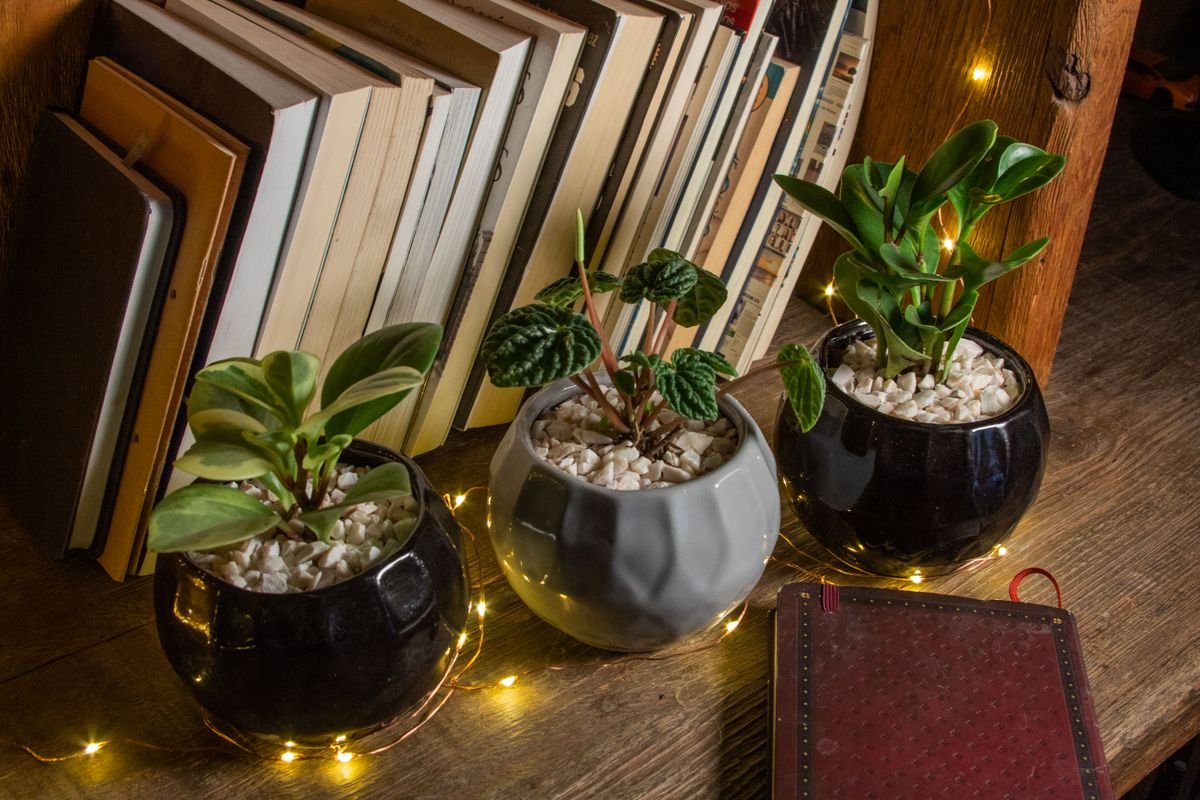
1. Peperomia Varieties: The 'Jade' (Solid Green)
The Jade Peperomia is the "Wild Type"—the original genetic blueprint of the species.
- Chlorophyll Density: It possesses the maximum density of Chloroplasts, making it the most efficient energy producer.
- Environmental Resilience: Because it has a 100% functional photosynthetic surface, it is the most tolerant of low-light conditions. It is the "survivor" of the family.
2. The 'Variegata' & 'Marble': Chimeric Mutations
These varieties are defined by their Meristematic Chimeras.
- Variegata: Characterized by stable cream or white margins. The mutation is localized in the outer layer of the meristem.
- Marble: Characterized by random splashes of white throughout the leaf. This is a more "unstable" mutation where the mutated cells are scattered throughout the cell layers, resulting in a unique, non-repeating pattern on every leaf.
3. The 'Red Edge': Anthocyanin Science
The Red Edge is a variety that has been bred for high Anthocyanin production.
- Photo-Protection: The deep red/maroon margin is a chemical shield. This variety can handle significantly more direct morning sun than the 'Jade' or 'Marble' varieties because its red pigments act as a natural sunscreen, filtering out high-energy UV rays.
4. Miniature Diversification: 'Pixie' and 'Minima'
Not all diversification is about color; some is about Allometry (size and scale).
- Internode Compression: Cultivars like the Pixie have been bred for "Compressed Internodes"—the space between leaves is much shorter, resulting in a dense, miniature shrub.
- Care Nuance: Because these varieties are smaller, they have a lower Transpiration Rate and can be much more sensitive to overwatering than their larger cousins.
Conclusion
The varieties differ in chimeric arrangement, and that arrangement dictates each one's light threshold. The Peperomia obtusifolia is a botanical masterpiece of Morphological Diversification. Whether you choose the high-efficiency Jade, the chimeric beauty of the Marble, or the photo-protected Red Edge, you are participating in the ongoing genetic history of this species. Understanding the specific traits of your variety is the first step in providing the precision care it needs to thrive.
Cultivar Resources:
Care FAQ
What are the most common Peperomia varieties?
Are all varieties the same species?
Yes. All these varieties belong to the species Peperomia obtusifolia. They are simply different 'cultivars'—plants that have been selectively bred for specific Morphological Traits like leaf color, size, or growth habit.
Do different varieties need different care?
Generally, the more white/yellow in the leaf, the more light it needs. Variegated cultivars have a higher Photon Density Threshold because they have less chlorophyll than the solid green varieties.
What is the rarest Peperomia variety?
The 'Greengold' or high-contrast 'Marble' varieties with stable sectoral variegation are often the most sought after. However, rarity is often subjective and based on current market availability.