
Peperomia Price Guide: What Drives Cost by Cultivar
This guide explains what genuinely drives Peperomia obtusifolia pricing up or down, rather than quoting fixed dollar figures that would be stale within months. Actual prices vary too much by region, season, pot size, and individual seller for a static number published here to stay accurate — use the rarity drivers below to judge whether a specific listing you're looking at is priced reasonably, not as a lookup table.
Evaluation Method and What This Guide Does Not Claim
This is a mechanism-based framework, not a live price index. No specific seller listings were purchased or tracked to produce this guide, and no dollar figures are quoted here because a snapshot number would misrepresent current market conditions almost immediately after publication. What follows is the set of genuine biological and logistical factors that reliably push price up or down across cultivars — use it to sanity-check a listing, not to expect an exact figure.
What Actually Drives the Price Up
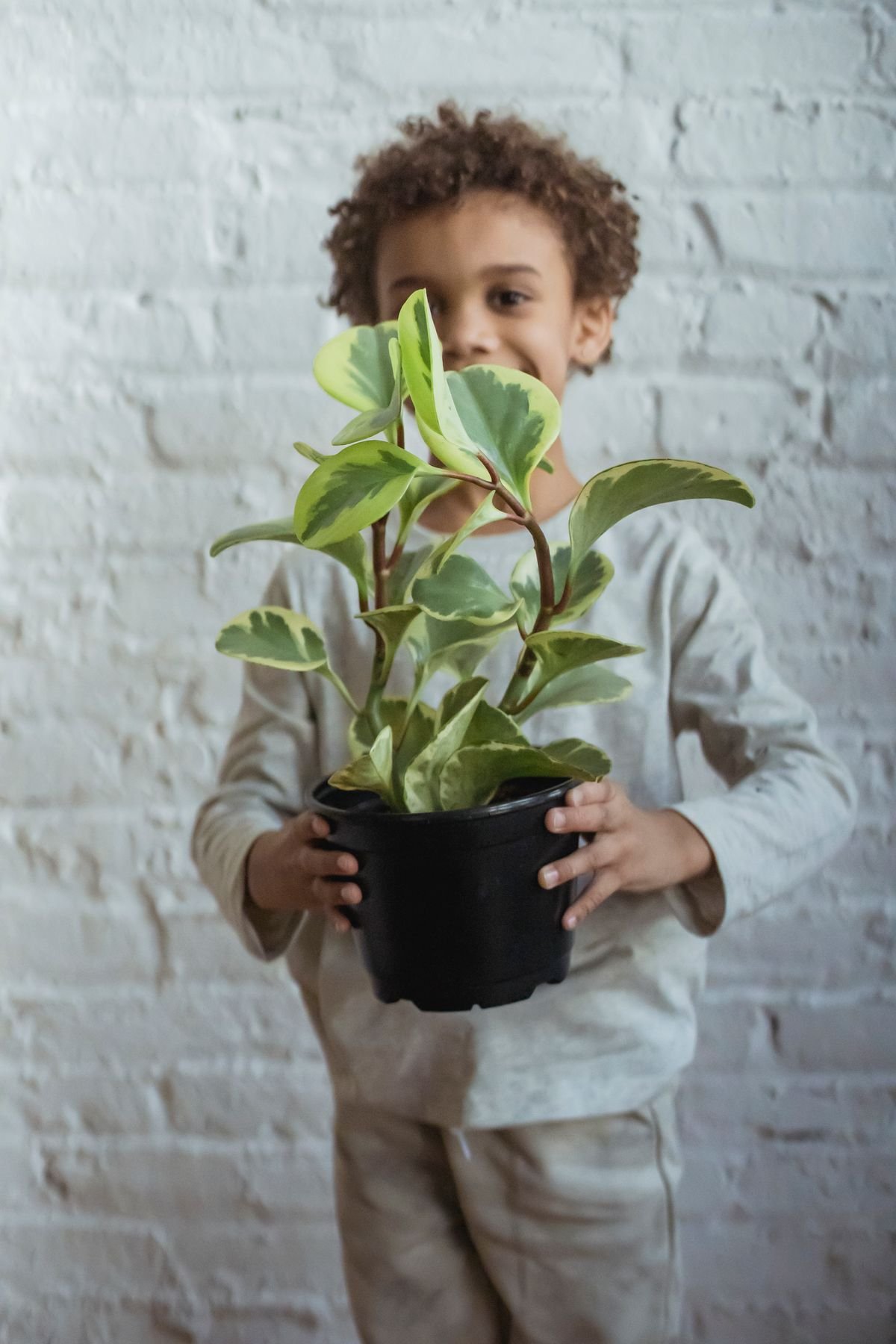
Variegation type and stability. The plain green form (sometimes sold as 'Jade') has no metabolic handicap and propagates reliably from any cutting, keeping it the least expensive tier. Variegated cultivars such as 'Variegata' carry chimeric tissue — two genetically distinct cell layers — that grows more slowly because the white or cream portion contributes little photosynthesis. This genuinely raises production cost and time, which is reflected in a higher price tier.
Propagation difficulty. Leaf cuttings from a variegated parent typically produce all-green plantlets, since the chimeric pattern lives in an outer cell layer that leaf cuttings don't reliably regenerate. Reliable propagation of a variegated cultivar requires a stem cutting with a variegated node — slower, less certain, and more labour-intensive than propagating the green form, which pushes wholesale cost upward.
Pattern contrast and rarity. Within variegated cultivars, specimens with unusually high or striking contrast (a heavily marbled 'Marble', for instance) are typically priced higher than a mostly-green example of the same cultivar, since high-contrast tissue is both rarer to produce consistently and more demanding to keep alive — see the light-and-colour-stability notes on individual cultivar pages, such as the Marble care guide.
Shipping and handling. Buying online adds packaging and transit cost on top of the plant itself, and sellers using proper insulation and cold-weather protection for transit — covered in the shipping guide — typically charge more than a bare-minimum shipping option, for good reason.
Red Flags and Limitations
A listing significantly below the typical range for a genuinely high-contrast variegated specimen is a reason to look closer, not necessarily a bargain — check that photos show the actual plant being sold rather than a stock image, and that the cultivar name matches known traits rather than a made-up designation. Conversely, a very high price on an otherwise ordinary green-form or lightly variegated specimen doesn't reflect any of the genuine cost drivers above and is closer to opportunistic pricing. Regional availability matters too: a cultivar that's common in one country's nursery trade can be genuinely rare and expensive to import elsewhere.
How to Inspect a Specimen Before or After Purchase
Regardless of price tier, the same vigor checks apply: firm, unblemished leaves; no visible pest activity in leaf axils or on the undersides; a stem that feels solid rather than mushy; and roots (where visible through the pot's drainage hole) that are pale rather than dark and soft. The big-box store buying guide covers this vigor audit in full detail, including the in-store checks worth doing before paying at any price point.
Who Should Skip Paying a Premium
If you can't reliably provide the higher light a variegated cultivar needs to keep its colour — brighter than the green form needs, as the [light requirements guide] explains(https://peperomiaobtusifolia.com/blog/peperomia-obtusifolia-light-requirements/) — paying a premium for a high-contrast specimen is a poor match for your setup, since the pattern will likely fade toward green regardless of the price paid. In that case, the plain green form or a more moderately variegated cultivar is both cheaper and a better fit.
Update Log
- 2026-08-03: Rewritten to remove fixed dollar figures that could not be verified against current listings; replaced with a rarity-driver framework and buying-guidance links. Slug changed from
/blog/peperomia-price-guide-2026/to/blog/peperomia-price-guide/to remove the year-specific URL constraint; a 301 redirect is in place from the old URL.
Care FAQ
How much should a Peperomia obtusifolia cost?
This depends heavily on region, pot size, and seller type, and shifts too often for a fixed figure to stay accurate here. As a relative guide: the plain green form is the least expensive tier, moderately variegated cultivars ("Variegata") sit in a middle tier, and high-contrast or slow-growing forms ("Marble", heavily patterned specimens) command the highest tier. Compare current local and online listings directly rather than relying on a dated number.
Why are variegated Peperomia more expensive than the plain green form?
Variegated tissue carries little to no chlorophyll, so those plants grow slower and are harder to propagate reliably — leaf cuttings from a variegated parent typically produce all-green plantlets, so growers must use stem cuttings with a variegated node, a slower and less certain process. That production cost is passed to the price.
Is a highly variegated specimen worth paying extra for?
Only if you can give it the brighter light it needs, compared with the green form, to keep its colour. A high-white specimen that reverts to green within months under insufficient light has effectively lost the trait you paid the premium for.
Where can I find the best prices?
Local nurseries and garden centres are typically cheapest for the plain green form and common variegated cultivars. Specialist online sellers carry rarer, high-contrast specimens unavailable in general retail, usually at a premium that also reflects careful packing and shipping.