Keiki Paste on Peperomia: Does It Work or Is It a Myth?
Keiki paste can work on Peperomia obtusifolia — the cytokinin mechanism that forces a dormant node into growth is genuine botany — but it is an experimental technique borrowed from orchid culture, not a proven, tested method for this species. Pruning the growing tip remains the more reliable way to achieve the same bushier result, since it breaks apical dominance across the whole plant rather than gambling on a single chemically forced node.
When to Use This Method
Keiki paste is worth considering on a healthy, well-established plant with a long bare stem where you want a branch at a specific point without cutting the main growth back — for instance, adding fullness partway down a stem you'd rather not shorten. It is not the right first choice for a stressed, recently repotted, or poorly lit plant, since forcing new growth adds an energy demand the plant may not be able to meet. For most growers wanting a fuller, bushier plant generally, pruning achieves the same underlying goal — breaking apical dominance — with a well-documented method and no chemical risk.
Tools and Node-Selection Checklist
- A commercial keiki paste product (cytokinin, typically BAP, in a lanolin-wax base)
- A sterilised fine needle or pin
- A clean toothpick for application
- A dormant node on the main stem — visible as a slight swelling or the scar line where an older leaf has dropped
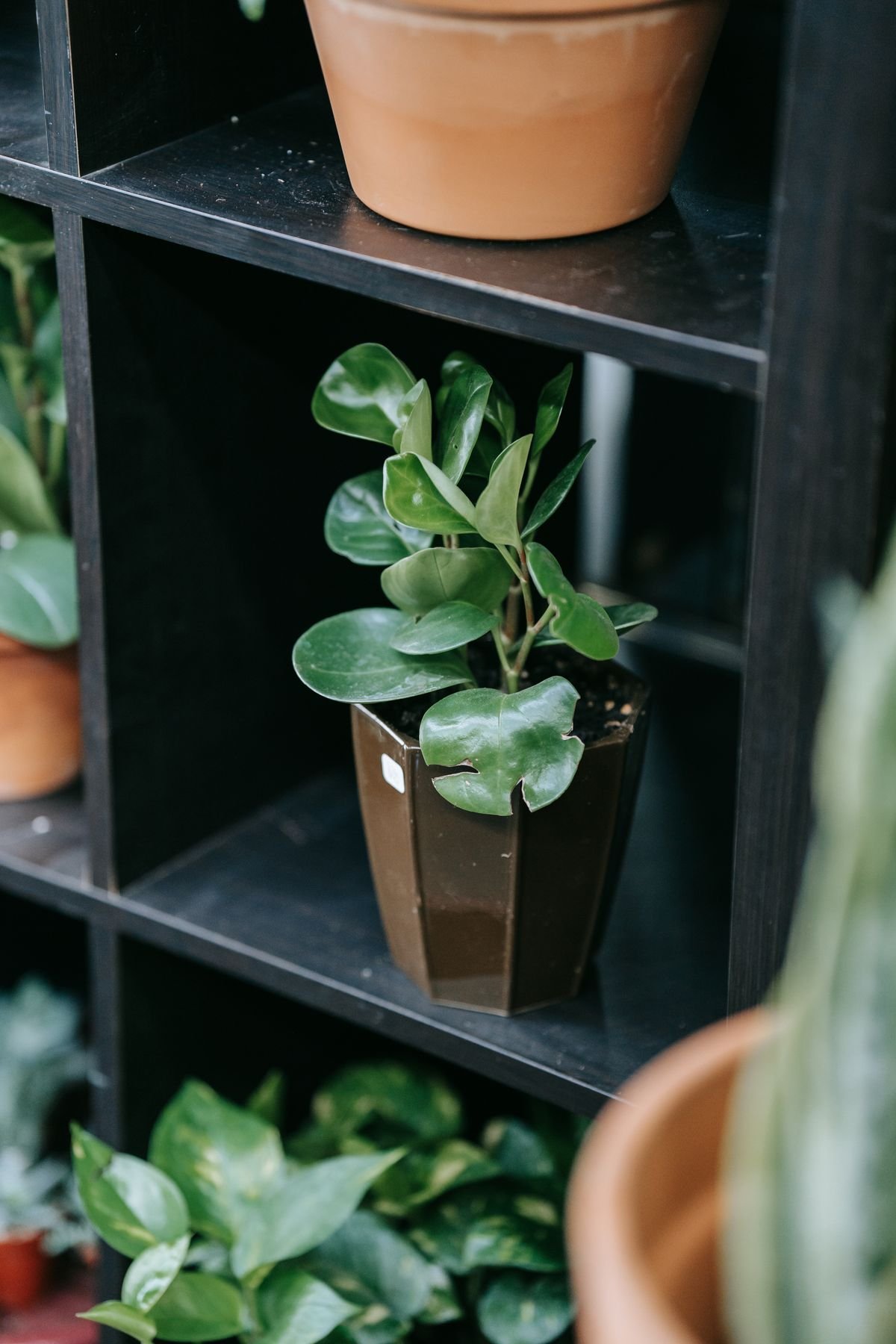
Select a node roughly midway down a stem that has clearly stopped producing new growth from that point, on a plant that is otherwise healthy, well-hydrated, and in bright indirect light — roughly 2,000-4,000 lux as a working target — to fuel new tissue. This is a branching technique for a node still attached to a living plant — for a bare, cut node you're trying to root and grow into a new plant instead, see the leafless node propagation guide, which covers cytokinin paste only as a later-stage optional escalation.
Why This Works: The Hormone Mechanism
Auxin, produced at the growing tip, flows downward and suppresses the lower dormant buds along the stem — the mechanism behind apical dominance and the reason an unpruned Peperomia tends to grow as one long stem. Cytokinins are a separate hormone class that promotes cell division and counteracts that suppression. Keiki paste supplies a concentrated, localised dose of synthetic cytokinin directly to one node, strong enough to locally override the suppressing auxin signal at that specific point, even while the rest of the plant continues under normal apical dominance.
Step-by-Step Method
- Locate a dormant node on the main stem — a slight swelling or the scar where an older leaf has fallen.
- Make a small scratch on the node's surface with a sterilised pin, just enough to breach the waxy cuticle without gouging into the stem — this helps the hormone reach the tissue beneath rather than sitting on top of the wax.
- Apply a pinhead-sized amount of paste with a toothpick, directly over the scratched area. More is not more effective — a larger dose does not speed up or guarantee the result, and only adds to the energy demand on the plant.
- Treat no more than one or two nodes at a time, even if the stem has several dormant nodes worth trying — see the failure-risk note below.
Rooting and New-Growth Signs
There is no rooting involved in this technique — it is a branching method, not a propagation-from-cutting method. The observable milestone is new tissue visibly swelling and then breaking through the node within roughly two to four weeks, based on grower reports rather than a documented species-specific timeline. A node that shows no change after four to six weeks has likely not responded, and re-treating the same node rarely helps at that point.
Aftercare
A plant carrying a newly forced branch needs consistent light and its normal watering routine — nothing special beyond ensuring it isn't also dealing with a separate stressor (drought, low light, recent repotting) at the same time it's trying to fund new tissue growth. Continue the standard half-strength monthly feeding through the growing season, since the new branch draws on the same energy reserves as the rest of the plant.
Failure Diagnosis
No response after several weeks: the node may not have been truly dormant, the scratch may not have breached the cuticle enough, or the plant's overall energy reserves may be too low to respond — check light and general health before re-treating. Wilting or stalled growth elsewhere on the plant after treating multiple nodes: this is the overdose risk described above — the plant has been asked to fund more simultaneous new growth than its reserves support; stop treating additional nodes and let the plant recover under good light before trying again on a single node. Rot or dark discolouration at the treated node: likely a contamination or excessive-moisture issue at the scratch site rather than the hormone itself; sterilise tools more thoroughly next time and avoid applying to a node that is already showing stress.
Keiki Paste vs. Pruning
Pruning remains the standard, well-documented method for the same underlying goal. Removing the growing tip eliminates the auxin source across the entire plant, reliably waking multiple lower buds rather than gambling on one chemically forced node — see the pruning guide for the full method. Keiki paste's advantage is precision: it can add a branch at a specific point without shortening the main stem at all. Its disadvantages are cost, no tested results for this species specifically, and a genuine overdose risk if used carelessly. For a first attempt at a bushier plant, pruning is the lower-risk, better-established choice; keiki paste is worth experimenting with once that basic approach is familiar.
Care FAQ
Does keiki paste actually work on Peperomia obtusifolia?
The mechanism is real: keiki paste delivers concentrated cytokinin (usually benzylaminopurine, BAP) directly to a dormant node, and cytokinin genuinely can override the auxin-driven suppression that keeps that node dormant. Growers report new branches emerging from treated nodes, but the technique was developed for orchids and has not been formally tested on this species — treat reported results as anecdotal rather than guaranteed.
How long does it take to see a new branch after applying keiki paste?
Growers commonly report new growth within two to four weeks, but this figure comes from grower anecdote rather than a controlled study on this species, and results likely vary with the plant's health, season, and light. Do not treat it as a fixed timeline.
Is pruning a safer way to get the same result?
Yes, and it is the better-established option. Removing the growing tip reliably breaks apical dominance across the whole plant by eliminating the auxin source entirely, rather than chemically overriding it at one node. Pruning has none of the overdose risk associated with a concentrated hormone paste and needs no special product.
Can keiki paste harm the plant?
Yes, if overused. Forcing multiple dormant nodes to break simultaneously demands a large, sudden energy investment from the plant. Treating too many nodes at once, or a plant that is not otherwise healthy and well-lit, risks exhausting its reserves rather than producing the intended branching.