
Gifting Peperomia Obtusifolia: Symbolism & Pet Safety
Peperomia obtusifolia works well as a gift because it tolerates a genuine range of care mistakes without dying, and its ASPCA non-toxic status removes a risk that rules out several other popular gift plants for pet-owning recipients. The one thing worth checking before gifting it is the recipient's light conditions if you're choosing a variegated cultivar, since those need more light than the plain green form to hold their colouring.
Choosing the Right Presentation and Cultivar
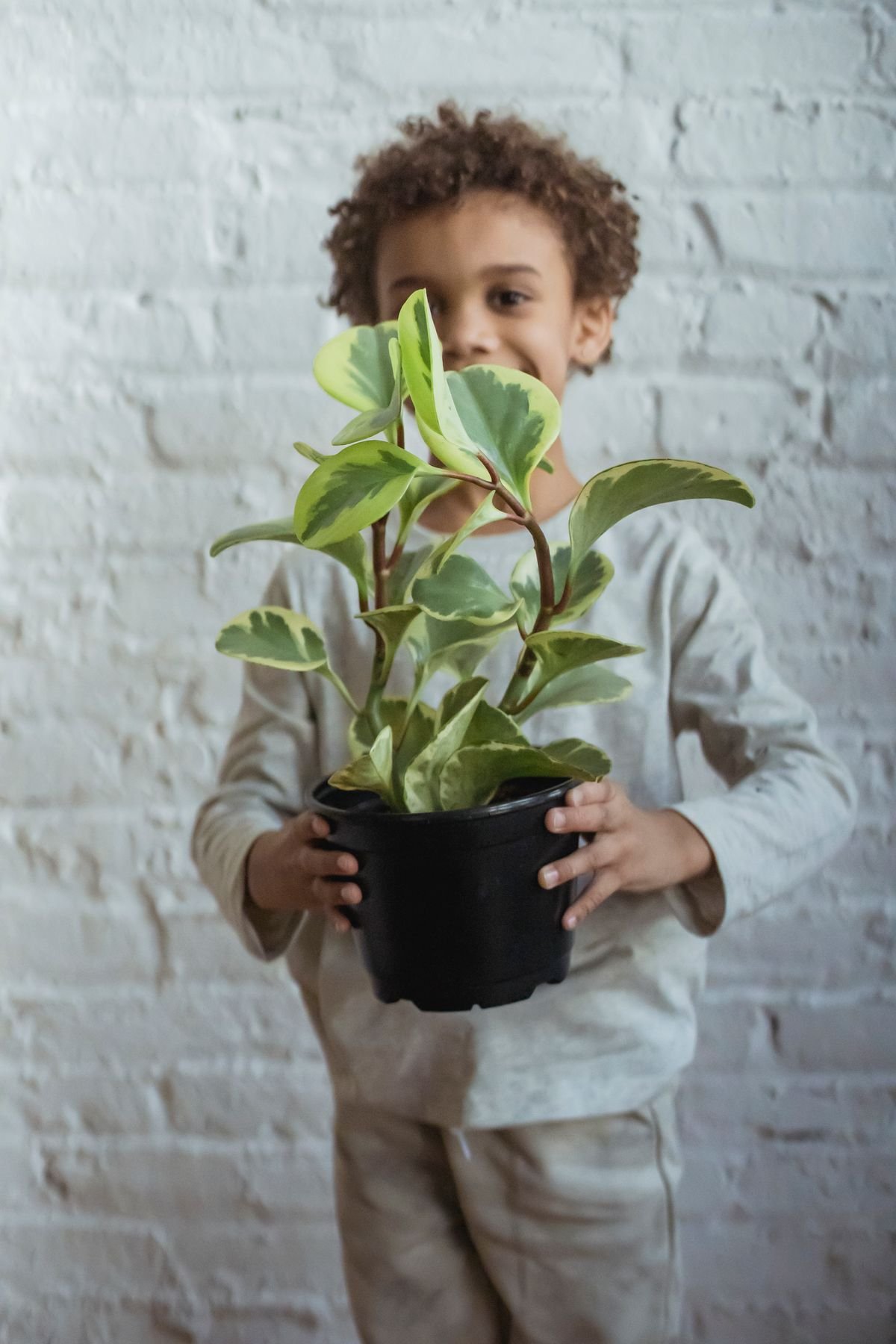
The plain green species or the 'Jade' cultivar is the safest choice for a recipient whose home lighting is unknown, since it tolerates a wide range of indoor light without special requirements. 'Variegata', with its cream leaf margins, and 'Marble', with irregular cream-and-green patterning, make more visually distinctive gifts but need brighter light than the green form to avoid the variegated tissue gradually reverting to solid green over months. If the recipient's home is known to be dim, the plain green form is the more reliable choice regardless of how attractive a variegated specimen looks in the shop.
Presentation matters more than people expect for a gift plant specifically. Moving the plant from its plastic nursery pot into a ceramic or terracotta pot before gifting changes the perceived value considerably for a small amount of effort, provided the new pot has drainage and is only 2-3 cm larger in diameter than the existing root ball.
Why This Species Suits Gifting Specifically
Two structural traits make this species more forgiving than most popular gift plants. Its thick, semi-succulent leaves store water, giving it a genuine buffer against a recipient forgetting to water for a while — a mistake that would show up quickly on a thinner-leaved tropical. It also tolerates light well below its optimum without dying, meaning a recipient who places it somewhere dimmer than ideal will see slowed growth rather than rapid decline. Neither trait makes the plant indestructible, but both raise its tolerance for the kind of early mistakes a first-time or inattentive plant owner is likely to make.
Pet Safety: The Deciding Factor for Many Recipients
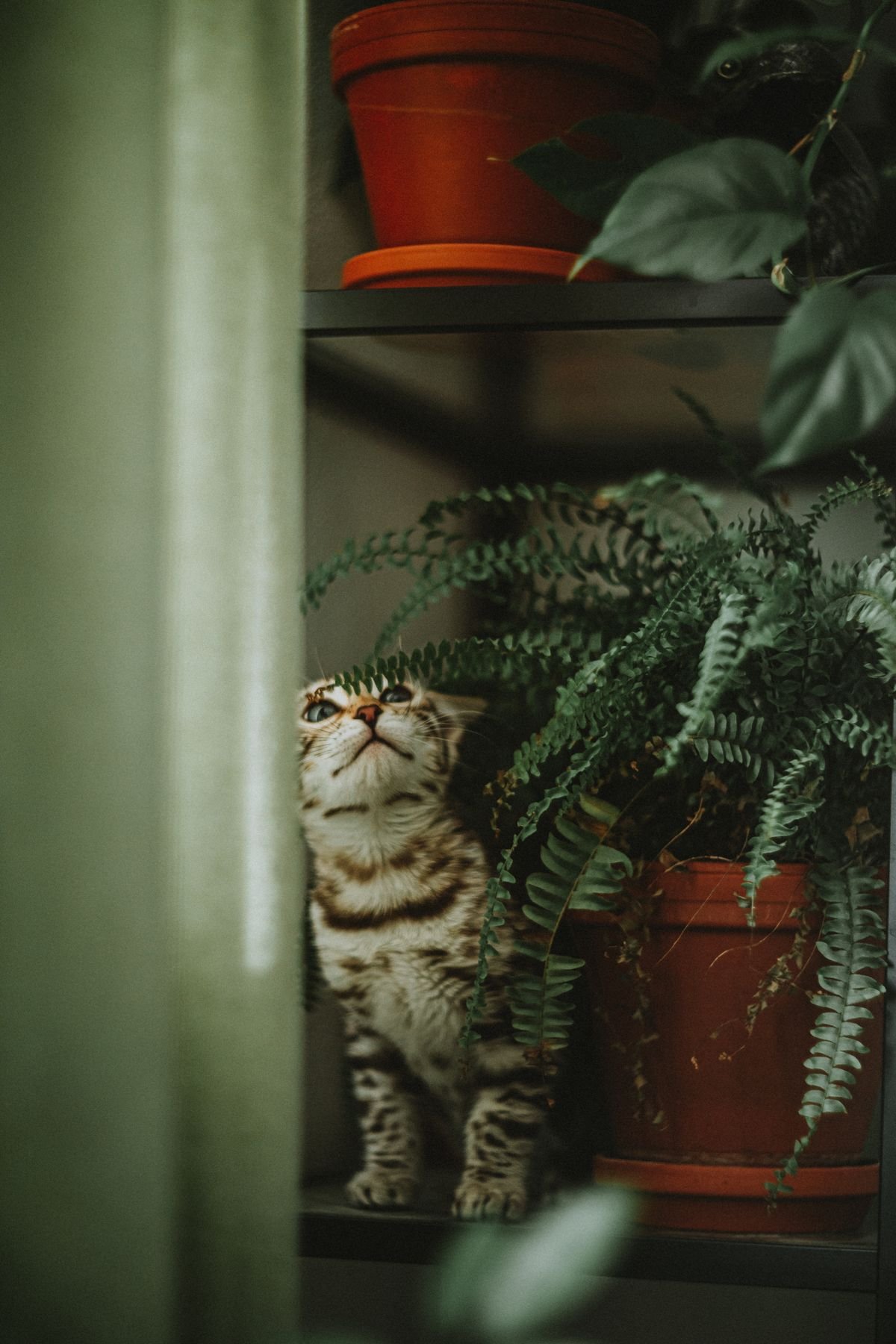
The ASPCA lists Peperomia obtusifolia as non-toxic to cats, dogs, and horses. This matters more for gifting than for a plant chosen for yourself, since the giver often doesn't know every detail of the recipient's household, and several other commonly gifted houseplants — Pothos and true lilies among them — are toxic to pets and can cause real harm if chewed. Choosing a species with a documented non-toxic listing removes that risk from the equation entirely rather than requiring the recipient to manage placement around a toxic plant.
Which Occasion Suits This Gift
| Occasion | Fit | Why |
|---|---|---|
| Housewarming | Strong | Low-maintenance, doesn't demand immediate expert care in an unfamiliar space |
| Get-well or sympathy | Strong | No fragrance, non-toxic, tolerates being left unattended for a stretch |
| New job or office desk | Strong | Compact mature size (20-30 cm), tolerates office lighting reasonably well |
| A household with an experienced plant collector already | Weaker | This species is common; a rarer cultivar or a different genus may be more novel for an experienced grower |
The plant is occasionally associated with resilience or reassurance in gifting culture — a loosely repeated association rather than a documented cultural or botanical fact — which some gift-givers find adds a nice framing for occasions like a new home or a difficult period, but it isn't the primary reason to choose it over the practical case made above.
What to Do When Presenting the Gift
Include a short, accurate care note rather than a generic "water when dry" instruction, since that phrase means little to someone with no reference point. The specific, correct instruction is: water only when the top 2-3 cm of substrate is fully dry, roughly every 10-14 days in summer and every 21-28 days in winter, and never on a fixed schedule regardless of the substrate's actual condition.
What Not to Do
Don't rely on "wait until the leaves feel soft" as the watering instruction. By the time the leaves noticeably soften, the plant is already drawing down its water reserves — the substrate check described above is the correct trigger, not a wait-for-visible-stress approach.
Don't gift a variegated cultivar to a recipient with a known dim home without mentioning its higher light need, since the colouring will fade over several months in inadequate light and the recipient may reasonably assume something is wrong rather than simply under-lit.
Don't assume "non-toxic" means the plant needs no placement thought at all. Non-toxic removes the poisoning risk, not the risk of a pet knocking the pot over or chewing through fibrous leaf material and getting mild stomach upset from bulk alone.
Aftercare the Recipient Should Know
Beyond the watering interval above, the recipient should know the plant wants bright, indirect light rather than direct midday sun, tolerates ordinary home humidity without a humidifier, and needs repotting only every two to three years given its slow growth and shallow root system. If the recipient is the type likely to forget watering entirely rather than overdo it, mentioning semi-hydroponic LECA as an option is worth a line in the care note, since it replaces the substrate-drying judgement call with a reservoir the recipient only needs to top up occasionally. Once the plant is established, pruning the tips encourages a fuller, bushier shape rather than a few long stems. For the complete care reference to pass along or point the recipient toward, see the complete care guide. If display placement matters to the recipient beyond basic care, the feng shui placement guide covers positioning considerations that have no bearing on the plant's actual biology.
Sources
Toxicity status is sourced from the ASPCA Animal Poison Control database. General care guidance follows the RHS and NC State Extension; the watering interval is a rough guide rather than a sourced figure.
Care FAQ
Is Peperomia obtusifolia a good gift for a beginner?
Yes. It tolerates a genuine range of watering and light mistakes without dying, since its thick, water-storing leaves buffer missed waterings and it survives — though does not thrive — well below its optimum light range. That tolerance for early mistakes is what makes it a low-risk gift for someone with no houseplant experience.
Is Peperomia obtusifolia safe to gift to a household with cats or dogs?
Yes. The ASPCA lists Peperomia obtusifolia as non-toxic to cats, dogs, and horses. This rules out one of the more common reasons a gift plant becomes a problem, since several other popular gift plants — Pothos and true lilies among them — are toxic to pets.
Does Peperomia obtusifolia have a symbolic meaning?
It is sometimes associated with resilience and reassurance in gifting culture, loosely tied to its reputation as a hardy, easy-to-keep plant. This is a commonly repeated gifting association rather than a documented botanical or verified cultural fact, and it should be treated as a nice-to-know detail rather than the main reason to choose the gift.
What is the best Peperomia obtusifolia cultivar to gift?
For most recipients, the plain green species or 'Jade' is the safest choice, since it needs no special light considerations. Variegated cultivars such as 'Variegata' or 'Marble' are more visually distinctive gifts but need measurably brighter light to avoid reverting to green, which matters if the recipient's home is dim.