Best Rooting Hormone for Peperomia: Powder vs. Gel Guide
The best rooting hormone for Peperomia comes down to medium, not brand or potency: powder suits soil and perlite, where its dry form resists being knocked off during planting and often includes fungicidal protection against the microbes present in organic media; gel suits water, semi-hydro setups, and small leaf cuttings, where its coating stays put and seals the wound on contact. Rooting hormone itself is optional for this species — a healthy, properly callused cutting roots reliably without either product.
Side-by-Side Comparison
| Factor | Powder | Gel |
|---|---|---|
| Carrier | Dry, talc-based | Water-based, viscous |
| Adhesion to a dry, callused cut | Needs slight moistening to stick | Coats and stays without moistening |
| Typical concentration | Generally lower, suited to herbaceous stems | Generally higher, often with added nutrients |
| Fungicide content | Some formulations include one | Rarely included |
| Best-suited medium | Soil, perlite | Water, LECA, small leaf cuttings |
| Risk in very wet media | Low — dry powder isn't diluted | Can dilute or wash off in standing water |
How to Tell Them Apart
Powder is a dry, talc-like substance the cutting's callused end is dipped into after a light moistening — without that moisture, the powder does not adhere well to a properly dried cut. Gel is a thick, semi-liquid coating that goes on wet and stays wet, forming a visible film over the cut surface rather than a dusting. Both deliver the same category of active ingredient — a synthetic auxin — in a different physical form, and the format, not the chemistry, is what should drive the choice for this species.
Concentration also differs by format in a general sense: powders are typically formulated at the lower end of the range suited to soft-stemmed, herbaceous cuttings like this species, while gels tend to run stronger and are often paired with added vitamins or trace nutrients intended to support the earliest new root growth. Neither difference is dramatic enough to change the recommendation above — medium compatibility still matters more than potency for a species that roots this willingly on its own.
Care Differences That Change the Outcome
Adhesion to a callused cut. Callusing leaves the cut end dry, which is exactly what the wound needs, but a fully dry surface doesn't hold powder well without a brief re-moistening — a small compromise against the callus itself. Gel skips that problem entirely, since it adheres to a dry surface without needing any added moisture.
Behaviour in wet media. In standing water or a saturated medium, gel can dilute or rinse away faster than in a drier setup, reducing how long its hormone stays in contact with the cut. Powder, being dry, doesn't have this failure mode, though it introduces the opposite issue of needing moisture just to stick in the first place.
Fungicide protection. Some rooting powders include a fungicidal additive, which is a genuine advantage when propagating in organic soil mixes that carry more background microbial load than a sterile, inorganic medium. Gel formulations rarely include this, relying instead on the physical seal the coating itself provides.
Which Is Easier for a Specific Setup
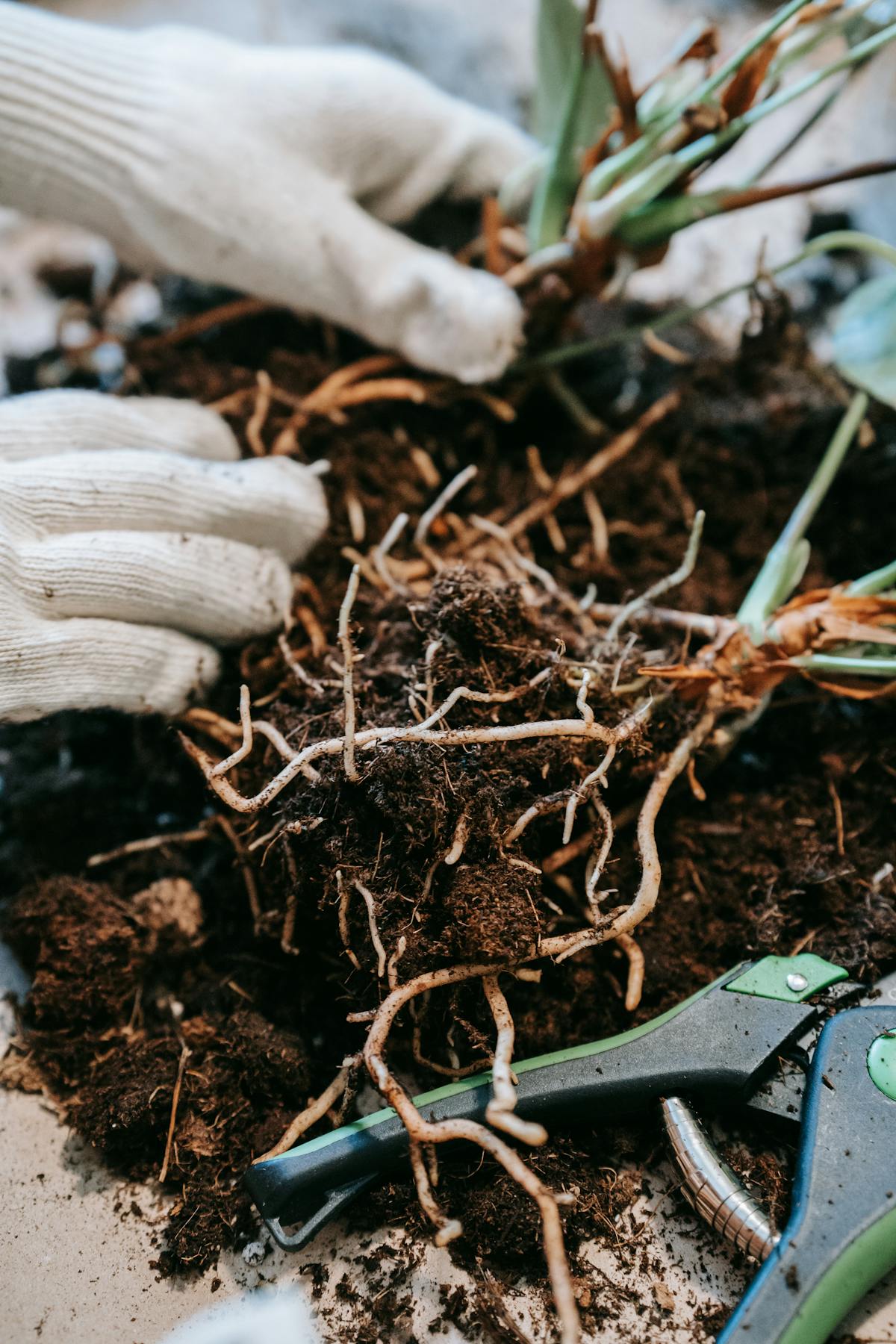
- Propagating in soil or perlite: powder is the more practical choice — it survives the friction of being pushed into a solid medium better than a wet gel coating does, and any fungicide content adds a margin of safety in an organic mix.
- Propagating in water or a highly aerated semi-hydro medium like LECA: gel holds up better, since it seals the wound directly rather than relying on a dry surface that water-based propagation doesn't provide — the water propagation guide covers the container setup and water-change schedule that method needs regardless of hormone choice.
- Propagating a single leaf cutting (variegated leaf propagation): the petiole is often too small for powder to adhere to reliably; a small dab of gel is easier to apply precisely to a narrow cut surface.
- Propagating without any hormone at all: entirely reasonable for this species — see the stem cutting guide for the full method, which roots successfully without either product for routine cuttings.
- Multiplying an already mature, multi-stem specimen rather than rooting a single cutting: division needs no hormone at all, since each division already carries its own established roots — hormone only matters for methods that start from an unrooted cutting.
How to Apply Either Product Correctly
Pour a small amount of powder or gel into a separate cap or dish rather than dipping the cutting directly into the main container — this avoids introducing bacteria or fungal spores from the cutting into the whole supply, which then contaminates every future cutting treated from it. Apply the product to the node and the cut surface specifically, since that's where the meristematic tissue capable of forming roots is concentrated, and a thin, even coating is all that's needed — packing on a thick layer of powder can block oxygen at the cut surface and encourage the same rot the hormone is meant to help avoid.
Common Mistakes
- Assuming hormone is necessary for success. P. obtusifolia roots readily without it; treat hormone as an optional speed advantage, not a requirement.
- Dipping a cutting that is still wet from callusing. Excess moisture on the cut surface dilutes powder and can encourage the gel to run rather than coat evenly — let the cut fully callus first regardless of which product is used.
- Using powder in a fully submerged water setup. The dry carrier does not perform well fully underwater; gel or no hormone at all is the more practical choice there.
- Expecting either product to substitute for correct callusing or an aerated medium. Hormone speeds root initiation; it does not prevent rot from a cutting placed in moisture before its wound has sealed — see the cuttings rotting guide if rot is the actual problem being solved for.
Final Decision Guide
Choose powder if you're propagating in soil or perlite and want the added margin of fungicidal protection in an organic medium. Choose gel if you're propagating in water, a semi-hydro medium, or working with a small leaf cutting where precise, adherent application matters more than dry-medium compatibility. Choose neither if you'd rather keep propagation simple — this species does not require hormone to root successfully, and skipping it removes one more variable to manage.
For the complete method both formats support, see the stem cutting guide, and for how this fits among all propagation approaches for the species, see the complete propagation guide.
Care FAQ
Do I need rooting hormone to propagate Peperomia obtusifolia?
No. This species roots reliably from a healthy, callused cutting without any hormone product. Hormone can modestly speed root initiation and is a reasonable option for growers who want it, but it is not required for routine propagation.
Is rooting powder or gel better for Peperomia?
Neither is universally better — the right choice depends on the medium. Powder suits soil or perlite, where its dry form resists being scraped off during planting and some formulations add fungicidal protection. Gel suits water, semi-hydro media, or small leaf cuttings, where its coating stays in place and seals the wound.
Does rooting hormone help Peperomia cuttings root more reliably?
It can modestly reduce the time to root initiation, which shortens the window a cutting is vulnerable to rot, but the biggest factor in propagation success for this species remains correct callusing and an appropriately aerated medium, not the hormone product used.
Can rooting gel wash away in water propagation?
Yes, to some degree — gel is water-based and can dilute or rinse off in standing water more than it would in a drier medium. This is a minor consideration for this species since hormone is optional, but it is worth knowing if choosing between formats for a water-propagated cutting.