
Expert Care Guides - Page 4
A comprehensive library of technical diagnostics, styling tips, and botanical science for the Peperomia enthusiast.
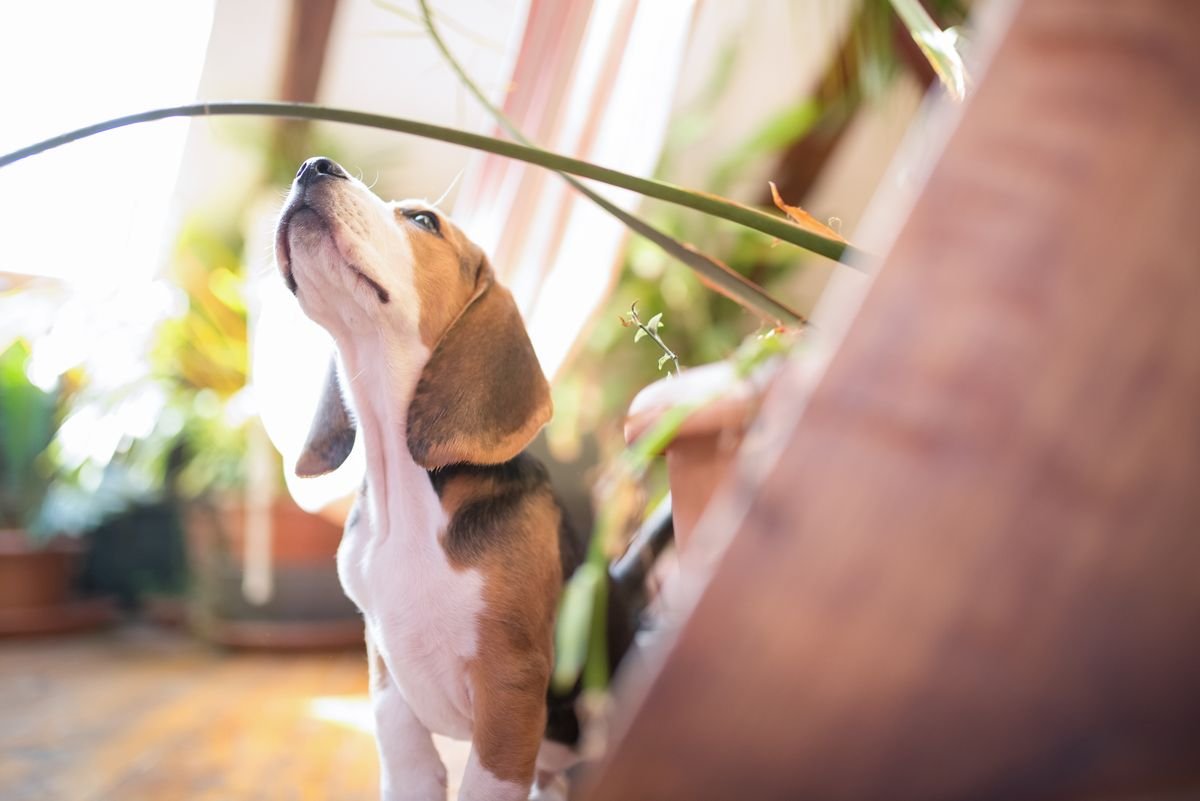
Is Peperomia Obtusifolia Toxic to Dogs?
Peperomia obtusifolia toxic to dogs? No — ASPCA non-toxic. Puppies may still vomit fibre or dig fertiliser; nursery chemicals are the real hazard.
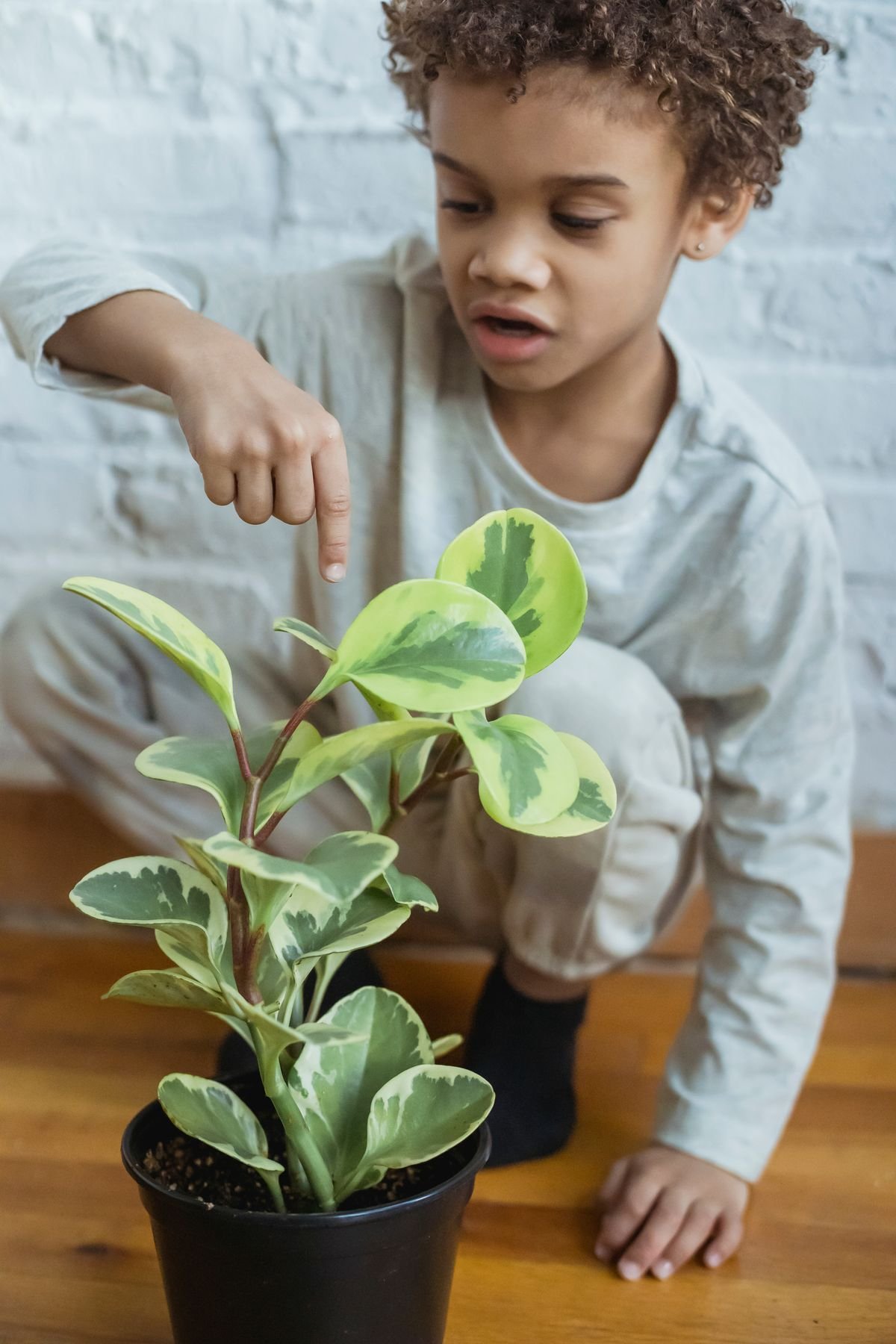
Is Peperomia Toxic? Safety for Pets and People
Is peperomia obtusifolia toxic? No on ASPCA listings for cats and dogs. Hub guide: humans, lookalikes, nursery residue — deep dives linked by species.
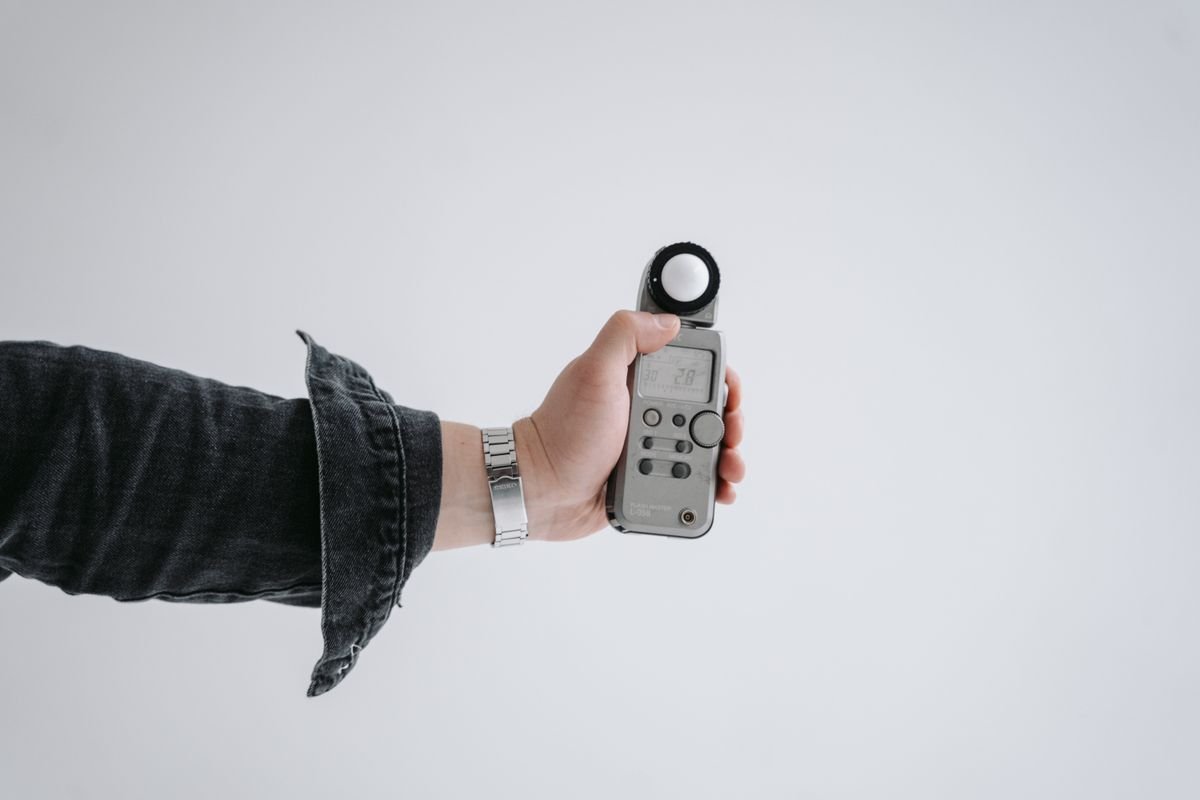
Peperomia Lux Foot Candles: 3 Critical Meter Rules
Peperomia lux foot candles without a meter are guesses. Hold the sensor at the leaf, target 2,000–4,000 lux (~185–370 fc), and map the inverse-square drop from the window.
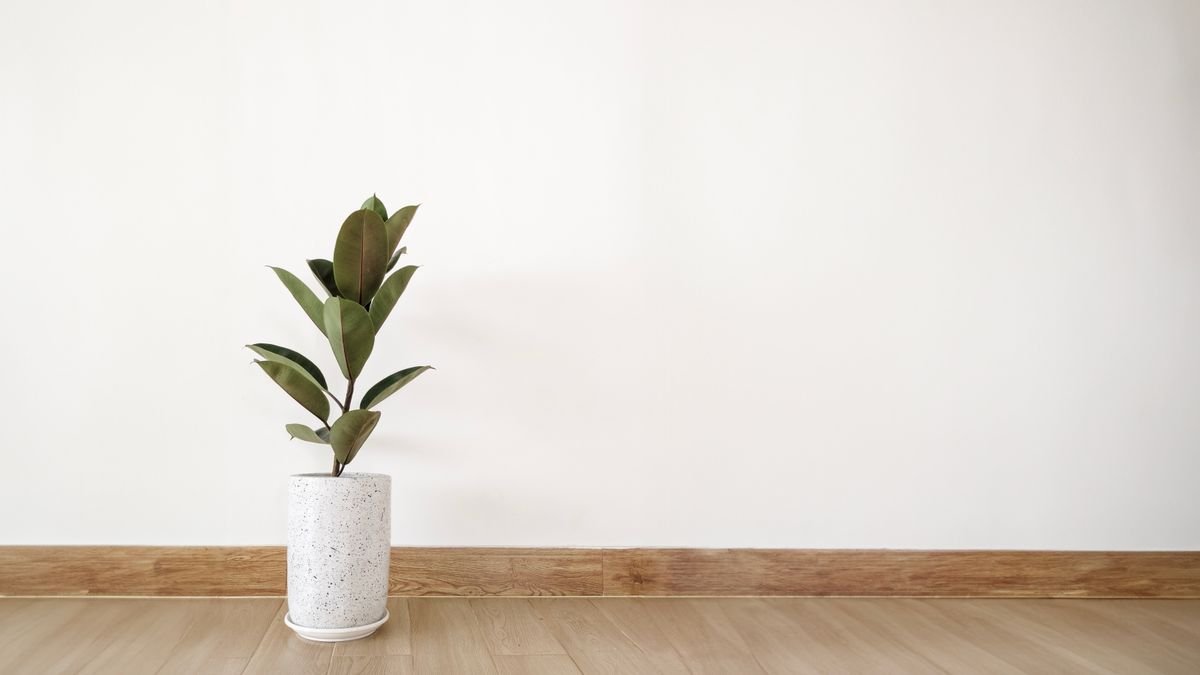
Baby Rubber Plant vs Rubber Tree: Key Differences
Baby rubber plant vs rubber tree is a naming accident, not a size series. Peperomia obtusifolia and Ficus elastica are unrelated species with different sap, growth ceilings, and pet-toxicity profiles.

Peperomia Care Apps: 3 Critical Accuracy Limits
Peperomia care apps organise checks; they cannot feel pot moisture. Use reminders as prompts, verify dry-down, and treat AI diagnoses as hypotheses.
Peperomia Deformed Leaves: Calcium Delivery vs True Shortage
Cupped, hooked, or twisted new Peperomia leaves are usually calcium stuck in transit from stagnant air — not a reason to dose Cal-Mag first. Separate thrips, restore airflow, then judge true substrate shortage.
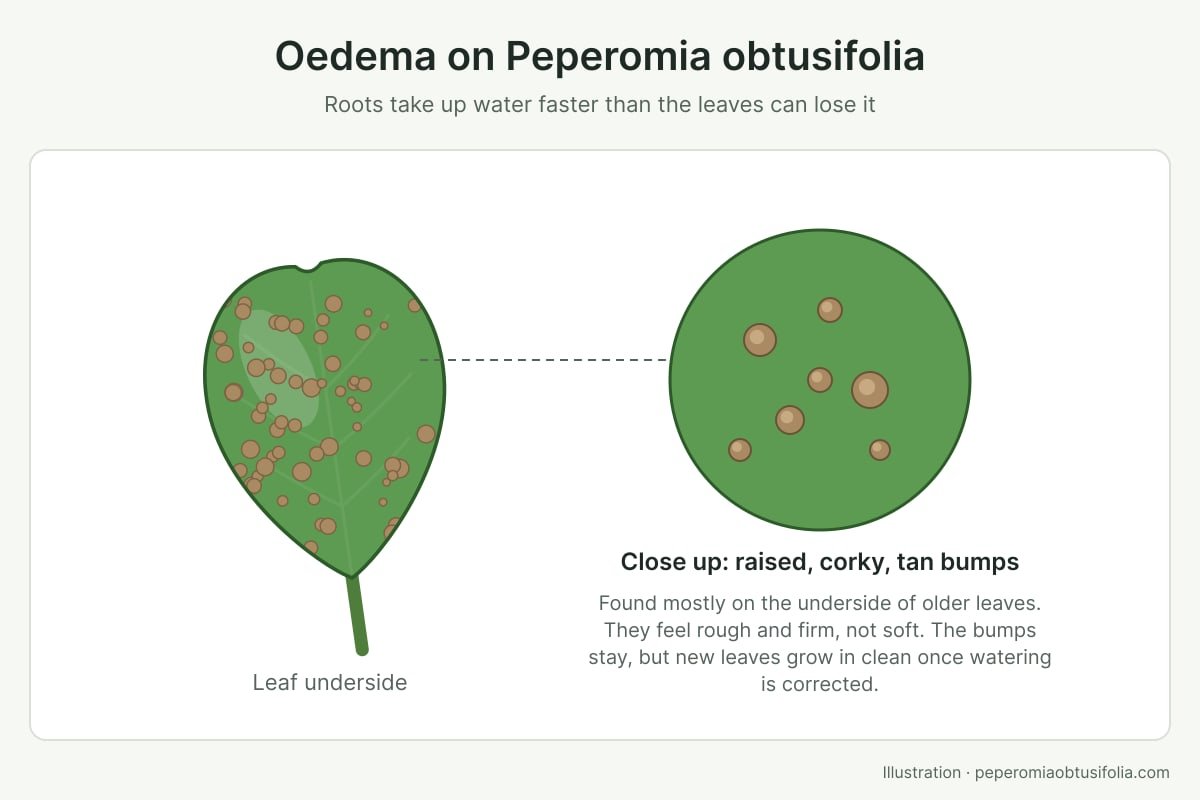
Peperomia Edema: Blisters, Causes and Treatment
Peperomia edema (oedema) is a hydraulic rupture — roots take up water faster than leaves can release it. Hard sandpaper bumps on the underside are permanent scars; fix airflow, VPD, and watering rhythm so new growth stays smooth.
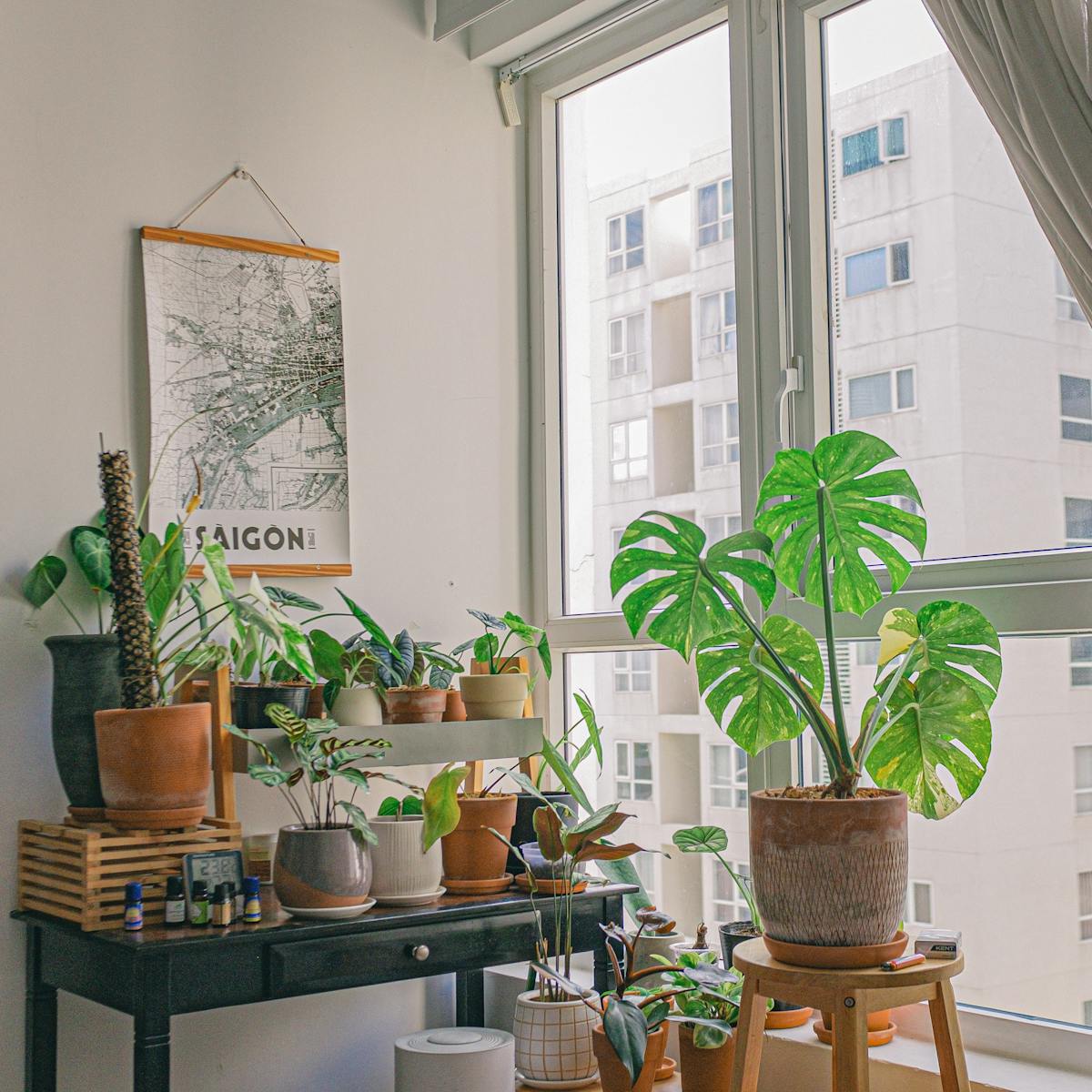
Peperomia Obtusifolia Companion Plants: Best Pairings
Grouping houseplants is usually treated as a styling choice, but for Peperomia obtusifolia the watering cycle of its neighbours matters more than how the arrangement looks — the wrong pairing raises local humidity around the root zone and causes rot in a plant not built for it.
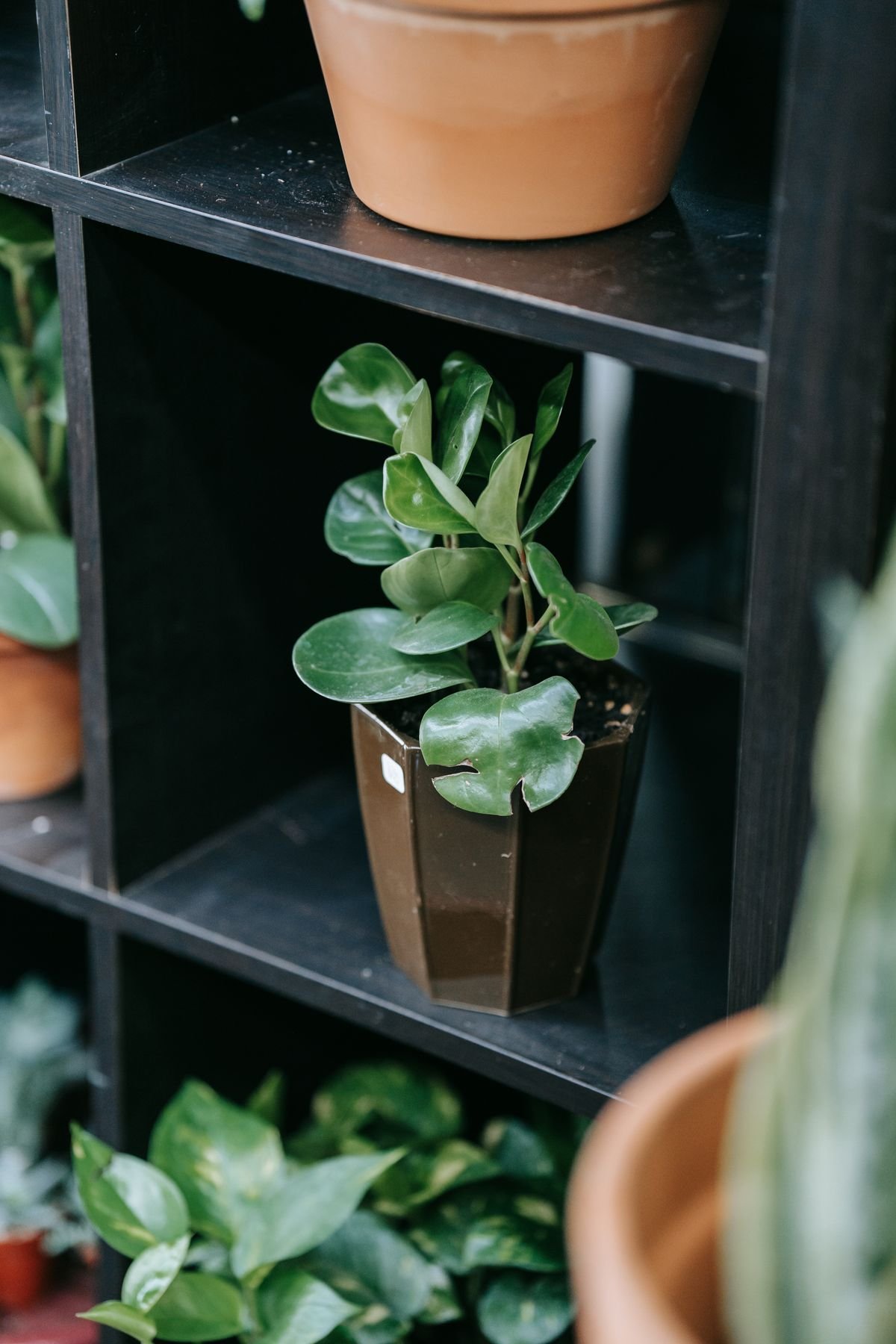
Peperomia Feng Shui: Best Placement and Meaning
Peperomia obtusifolia is a fixture of feng shui wealth-corner advice because of its rounded, coin-shaped leaves. This guide separates the cultural tradition (Bagua placement, Wood element, Chi) from the actual research on curved forms and biophilic design, and gives the one rule that overrides both: a struggling plant is not a placement problem.
Best Fertilizer for Peperomia: Type and Schedule
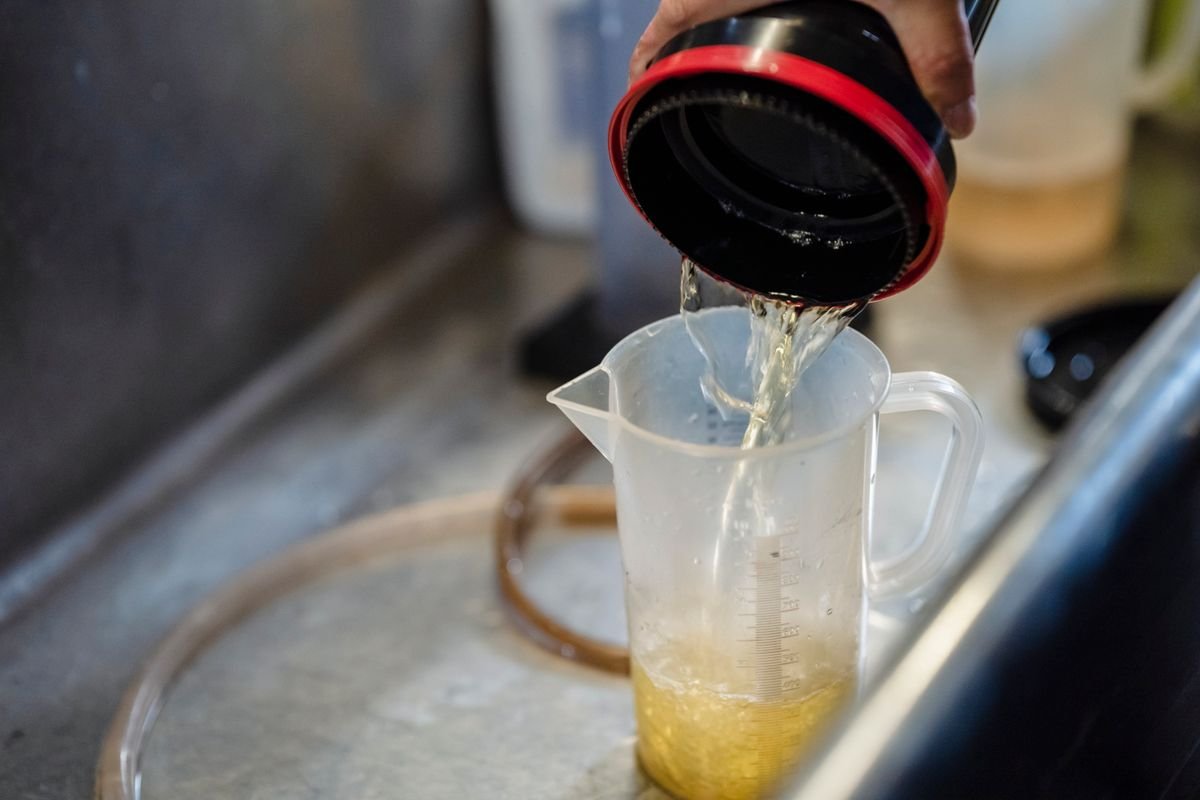
Peperomia obtusifolia is a light feeder adapted to nutrient-poor forest litter and bark, so the default choice is a balanced liquid fertilizer diluted to 50% of label strength, applied monthly in spring and summer only. This guide compares liquid, slow-release, and organic options, covers the specific situations that change the recommendation — low light, variegated cultivars, LECA, travel — and the salt-burn signs that mean to stop feeding rather than feed more.
Peperomia Obtusifolia Flowering: Triggers & Best Care
Peperomia obtusifolia flowering produces a slender, inconspicuous spadix rather than showy petals — a resource-allocation event triggered by strong light, not a milestone that needs a decision made about it, though pruning it off does redirect energy back to foliage.
Fungus Gnats on Peperomia obtusifolia: Eradication Guide
Small dark flies hovering over Peperomia obtusifolia substrate are almost always fungus gnats, and the adults you see are a fraction of the actual population — the eggs and larvae doing the real damage live in the top couple of centimetres of substrate, which is why treatment has to target the substrate itself, sustained over several weeks, not just the visible flies.