Expert Care Guides - Page 11
A comprehensive library of technical diagnostics, styling tips, and botanical science for the Peperomia enthusiast.
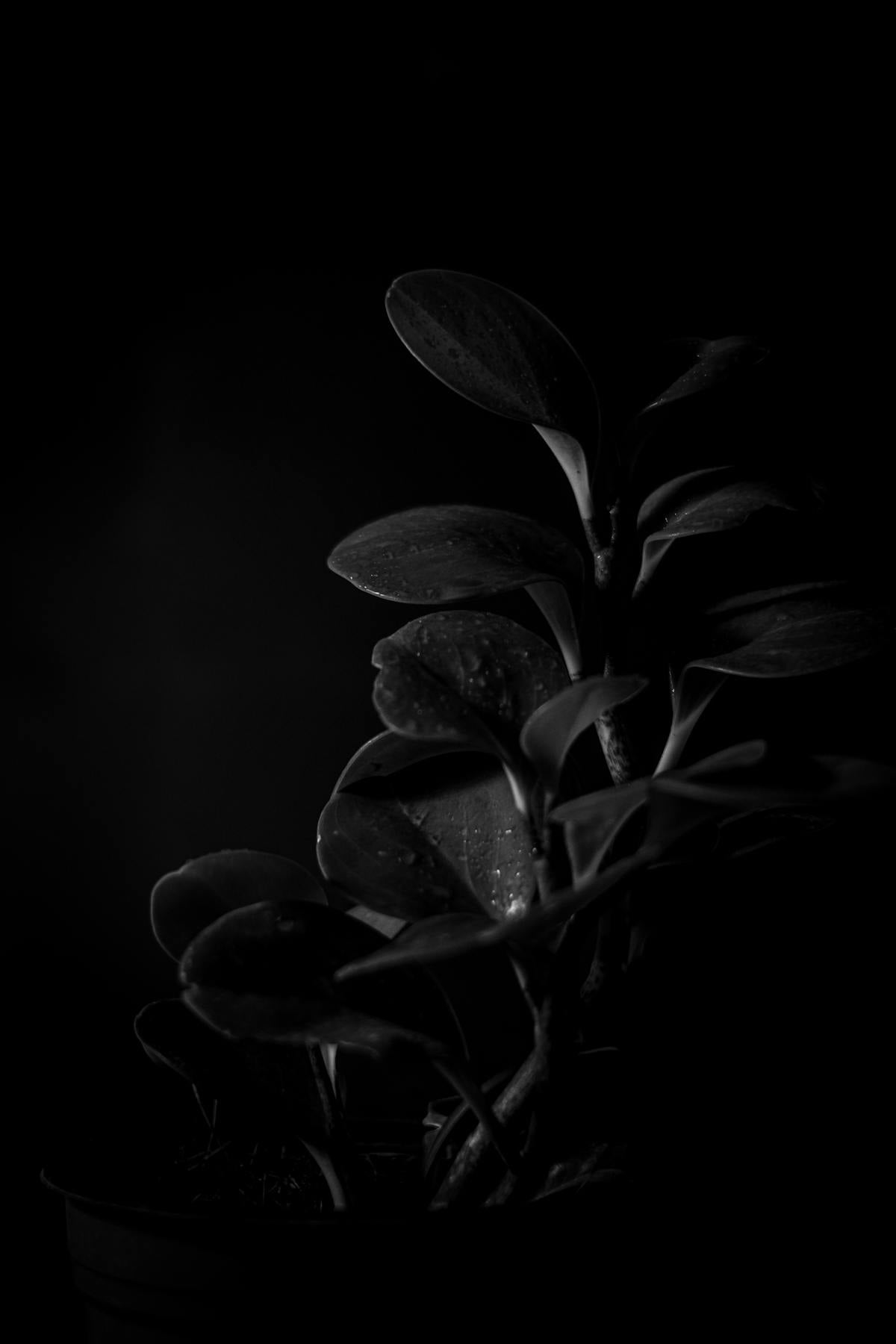
Wrinkled Peperomia Leaves: Causes and Recovery
A healthy Peperomia obtusifolia leaf is firm and taut because its cells are fully inflated with water. Wrinkling means that internal pressure has been lost — and the substrate, not the leaf itself, tells you whether the cause is thirst or root failure.
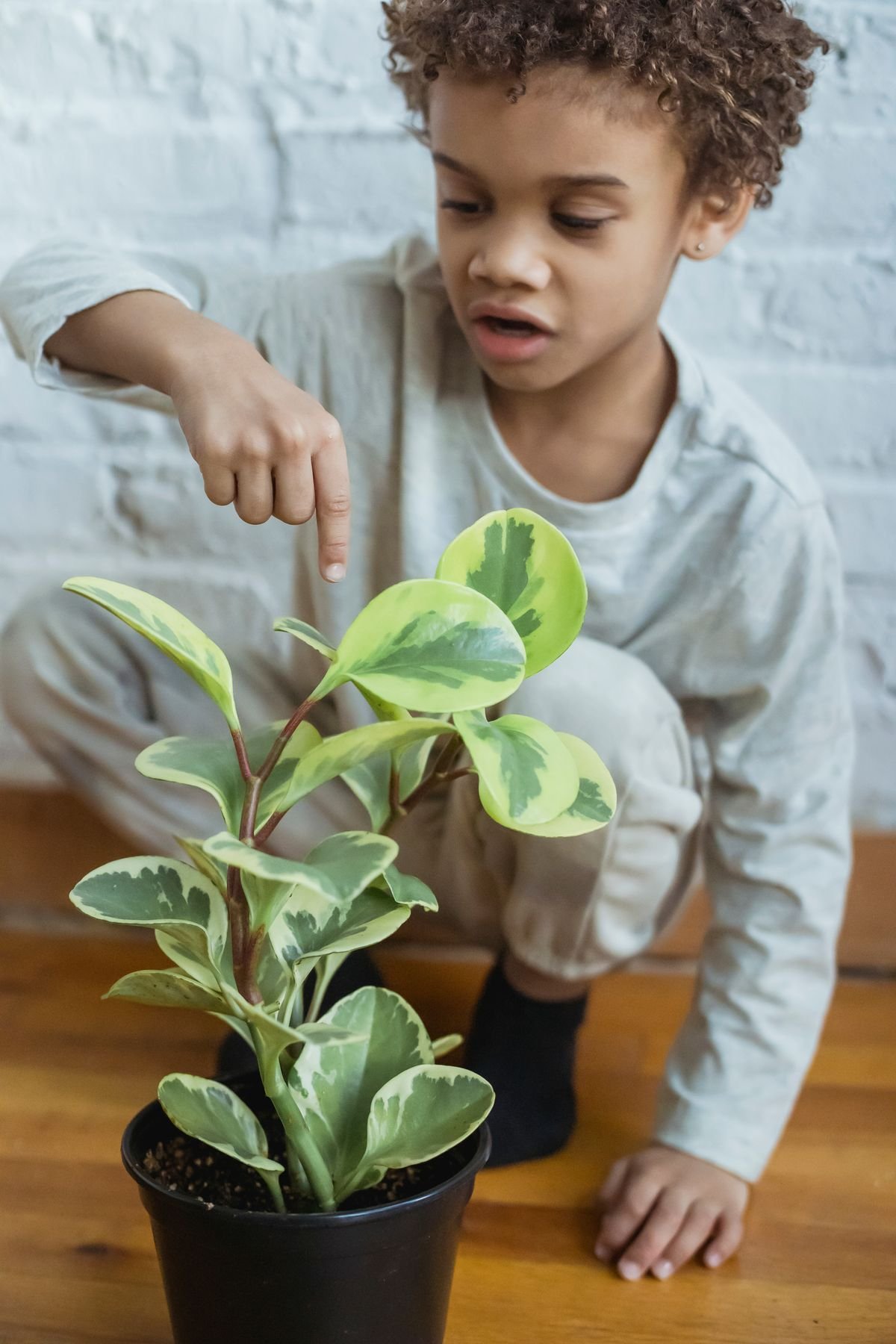
Peperomia Falling Over: Causes and Support Fixes
A Peperomia obtusifolia that leans or flops over is telling you something specific about its light, its maturity, or its roots. The stem itself — whether it is thin and spindly, curved toward a window, or soft at the base — usually points straight to the cause.
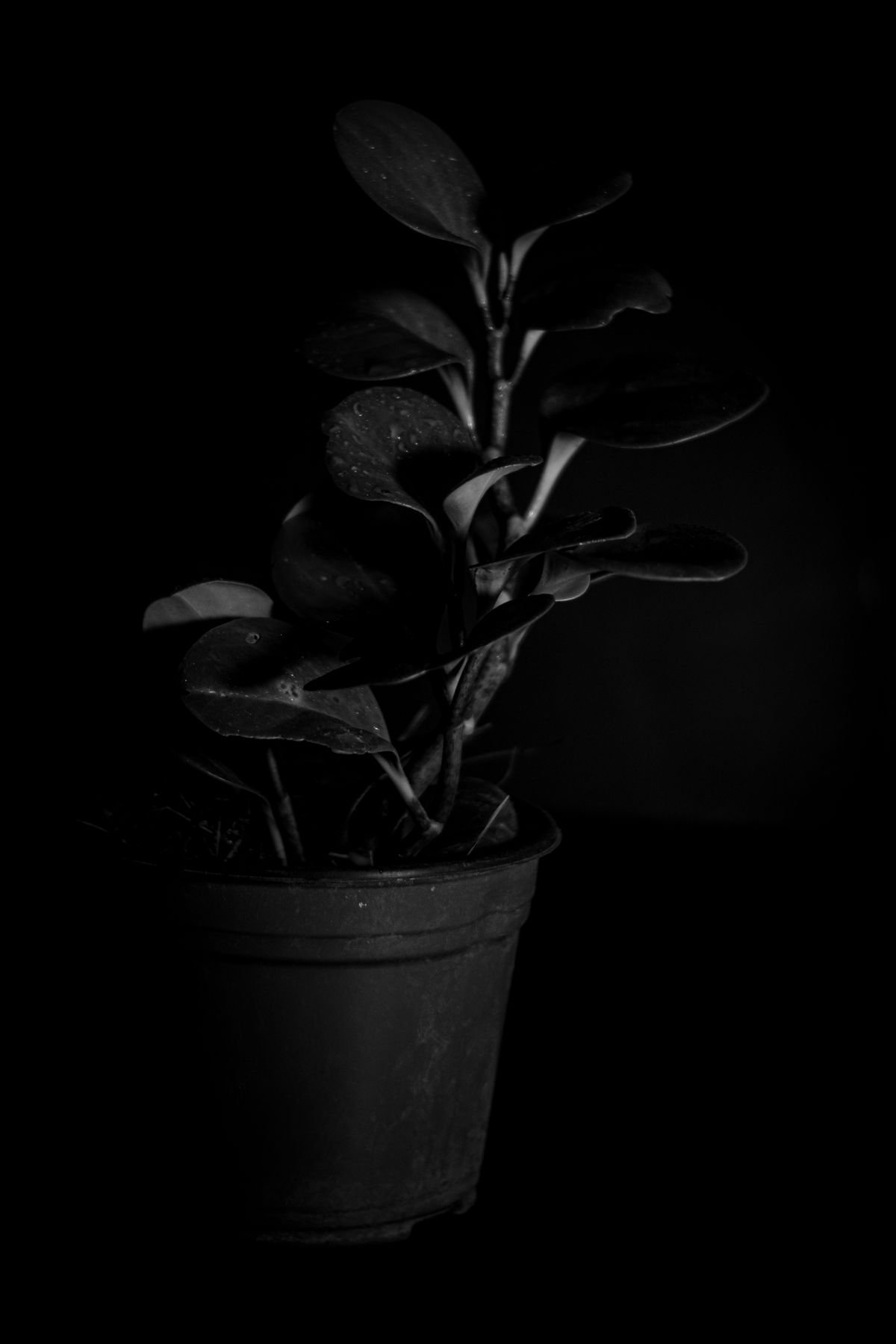
Why Peperomia Roots Are Small: Stunted Growth Fix
A Peperomia obtusifolia root ball that looks small for the plant's size is usually normal epiphytic root architecture, not stunted growth — the distinction comes down to root firmness and colour, not size.
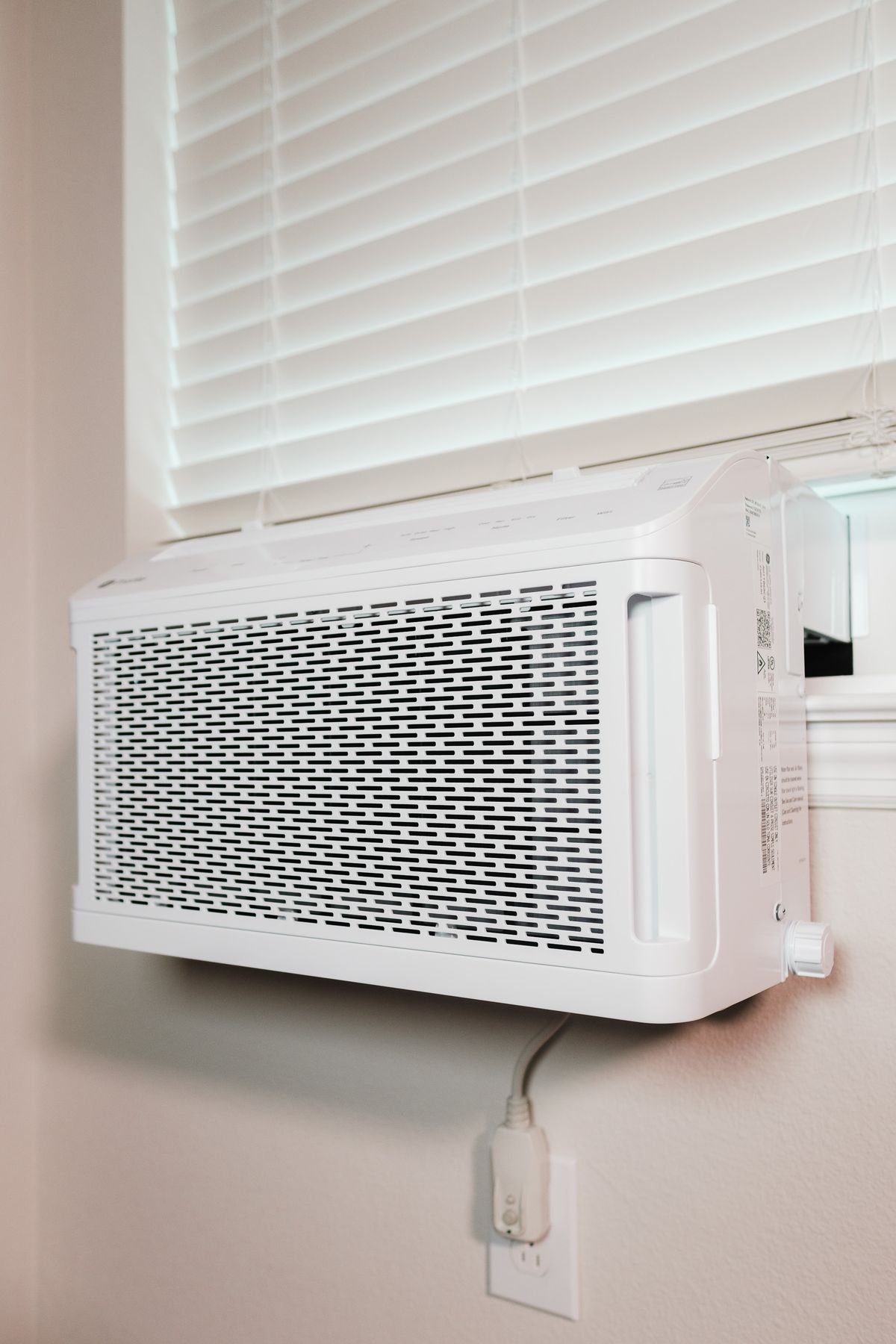
Peperomia Near AC: Draft and Humidity Fixes
Peperomia obtusifolia tolerates a well-conditioned room fine — what actually causes damage is direct cold airflow from the vent and the humidity drop AC produces, two separate risks that need different fixes.
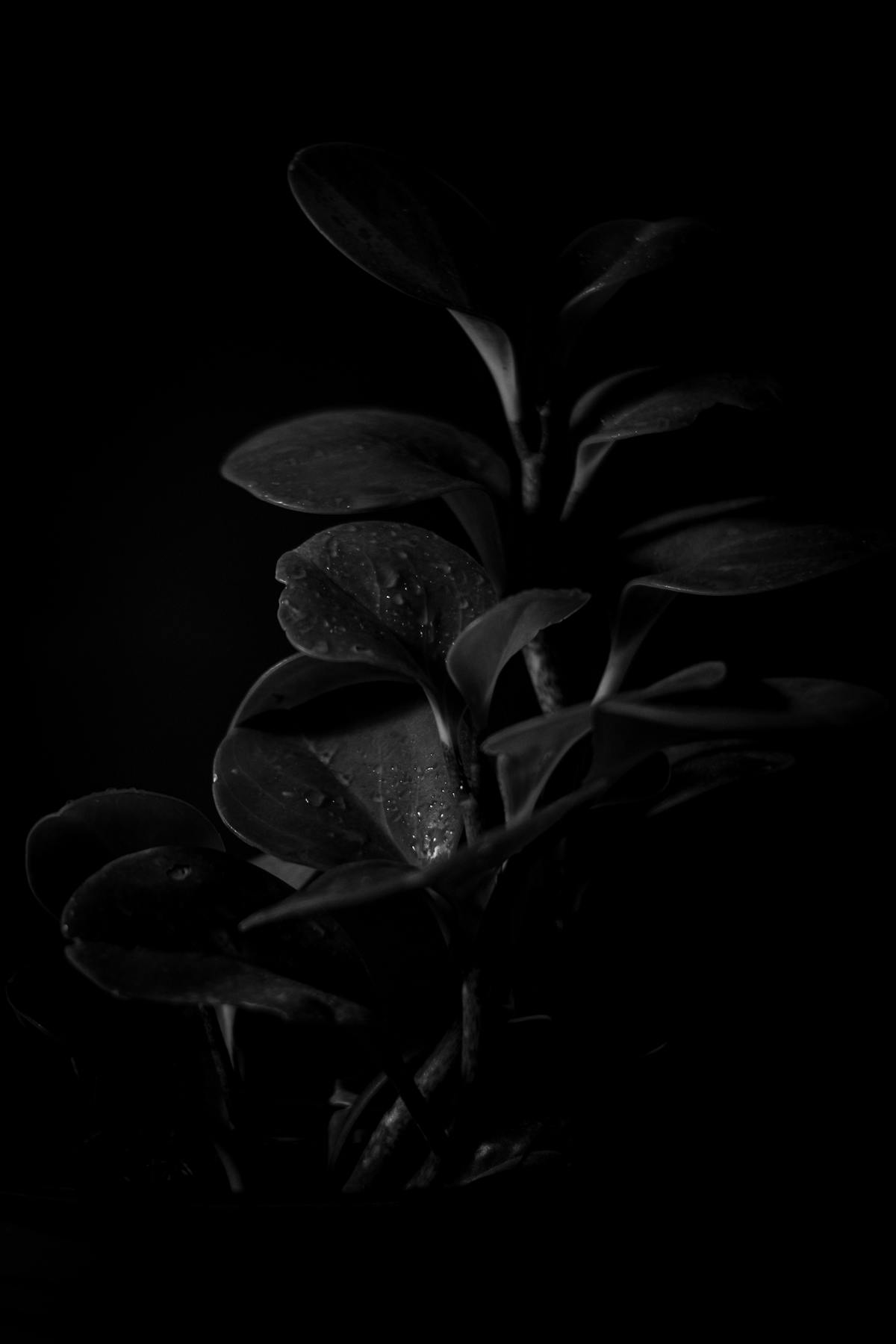
Peperomia Fertilizer Burn: Avoid These 5 Myths
Peperomia fertilizer burn is osmotic injury from excess substrate salt — crispy sharp-bordered margins, white crust, wet pot that still dehydrates the plant. Flush 3–5 pot volumes, trim necrosis, withhold feed for 6 weeks.
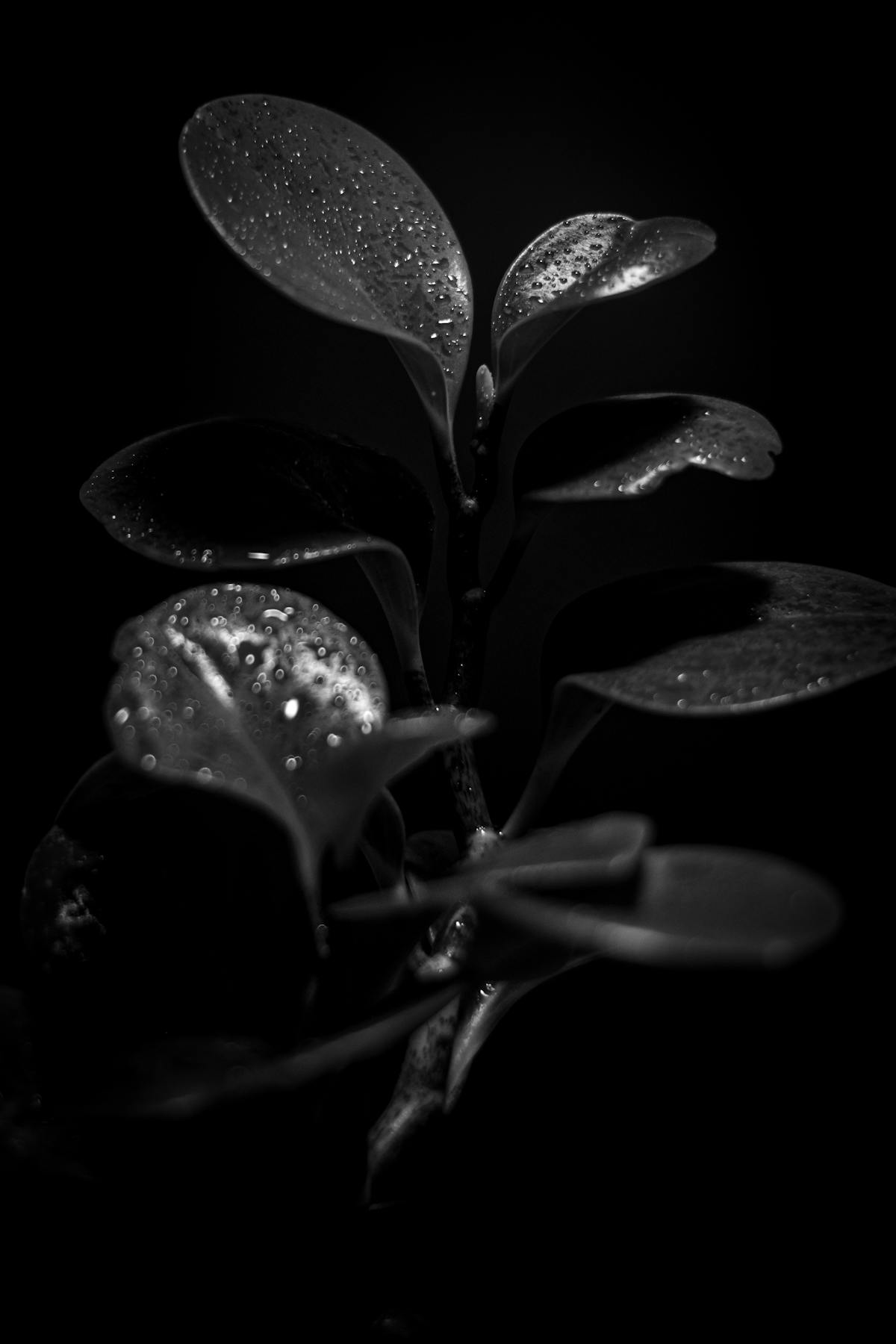
Peperomia Leaf Spot: Fungal vs Bacterial Diagnosis & Fix
Peperomia leaf spot is not one disease. Dry circular bullseye lesions point to fungus; greasy angular water-soaked lesions point to bacteria. Shape and texture set the protocol — fungicide will not fix a bacterial infection.
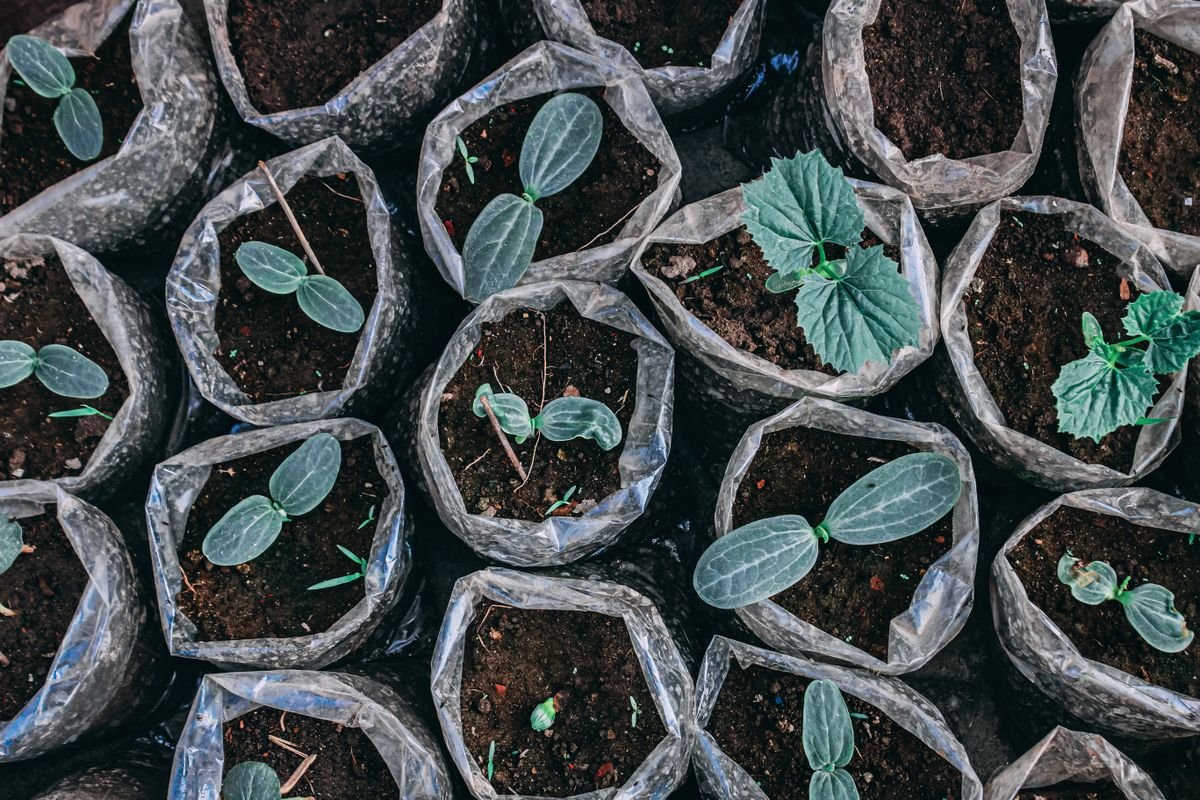
Peperomia Humidity Tent: Bag Method for Faster Rooting
A peperomia humidity tent is a clear bag over stakes that drops VPD around an unrooted cutting. Build it so plastic never touches leaves, burp daily against Botrytis, keep out of direct sun, then harden off over five days.
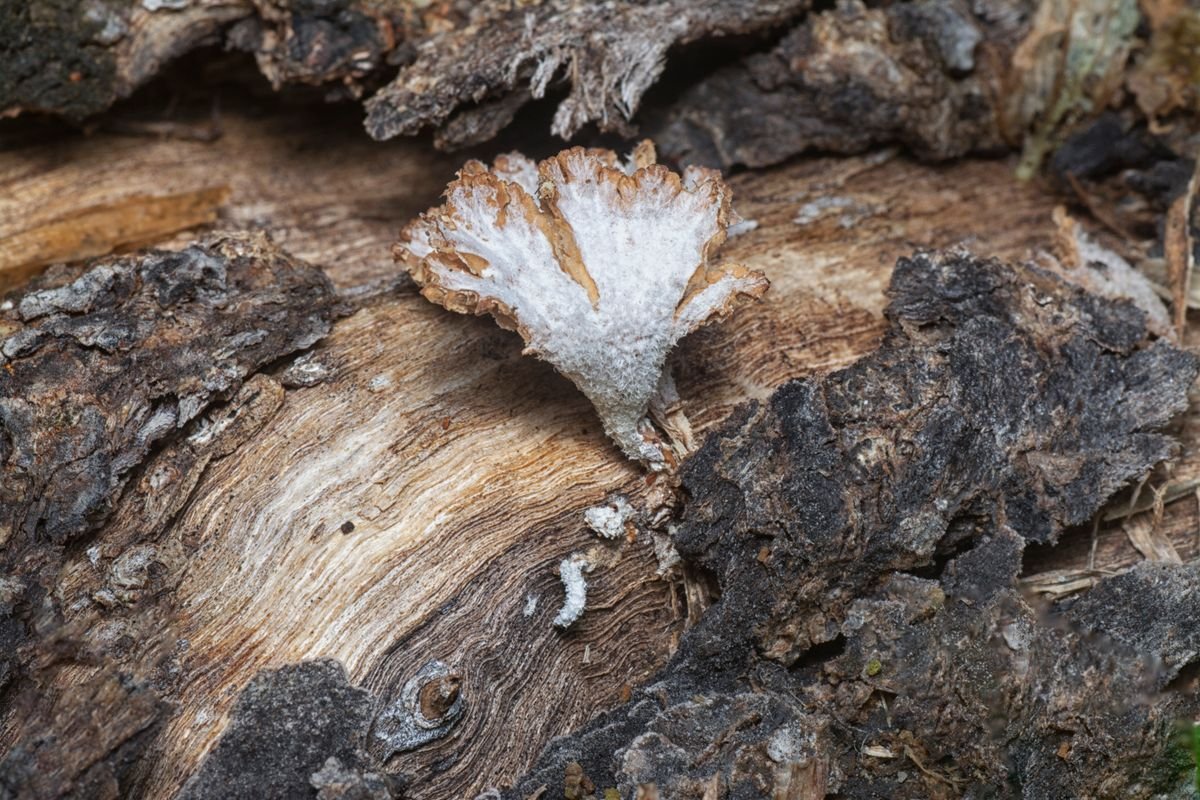
Mold on Peperomia: Leaves vs Soil Diagnosis
Peperomia mold splits by location. Flour-dust on living leaves is powdery mildew (treat and quarantine). Fuzzy white webbing only on the mix is usually a harmless saprophyte — scrape and dry the surface, do not neem the dirt.
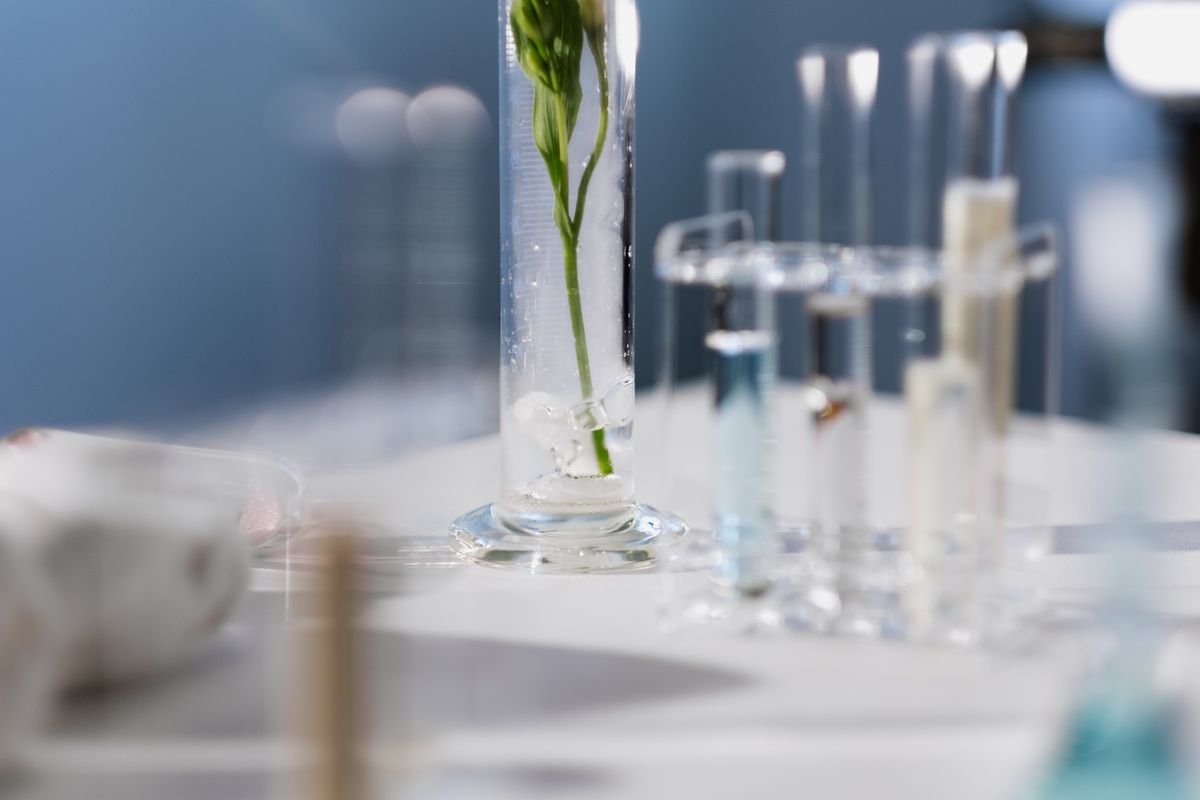
Peperomia Air Purification: Avoid 3 NASA Myths
Peperomia air purification stickers cite the 1989 NASA sealed-chamber study. Cummings & Waring show potted plants cannot match building air exchange for VOCs. Keep the plant for care and biophilia — not as a HEPA substitute.
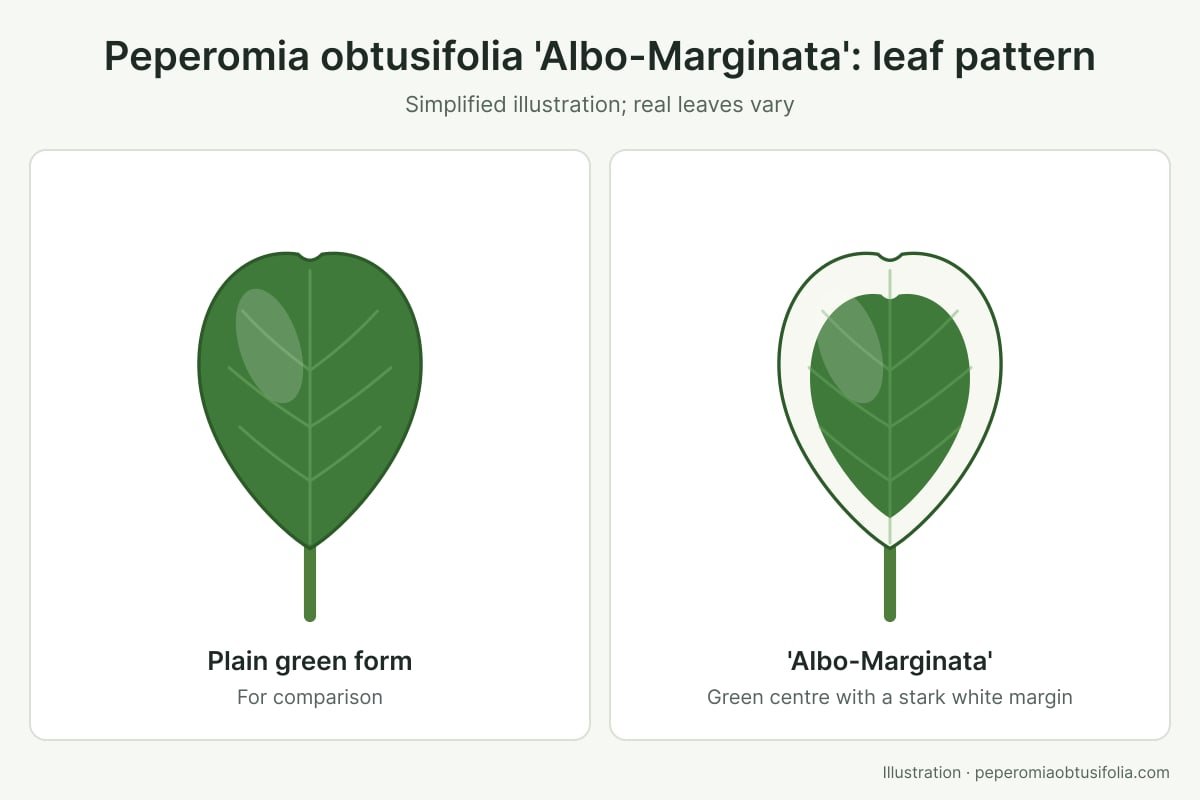
Peperomia Obtusifolia 'Albo-Marginata': Safe Care Guide
Peperomia obtusifolia 'Albo-Marginata' is identified by a stable, defined white margin around a solid green leaf centre — a periclinal chimera whose chlorophyll-free white tissue has no energy production of its own and no pigment protection against strong light, making it more sensitive than most cultivars to both light deficit and direct sun.
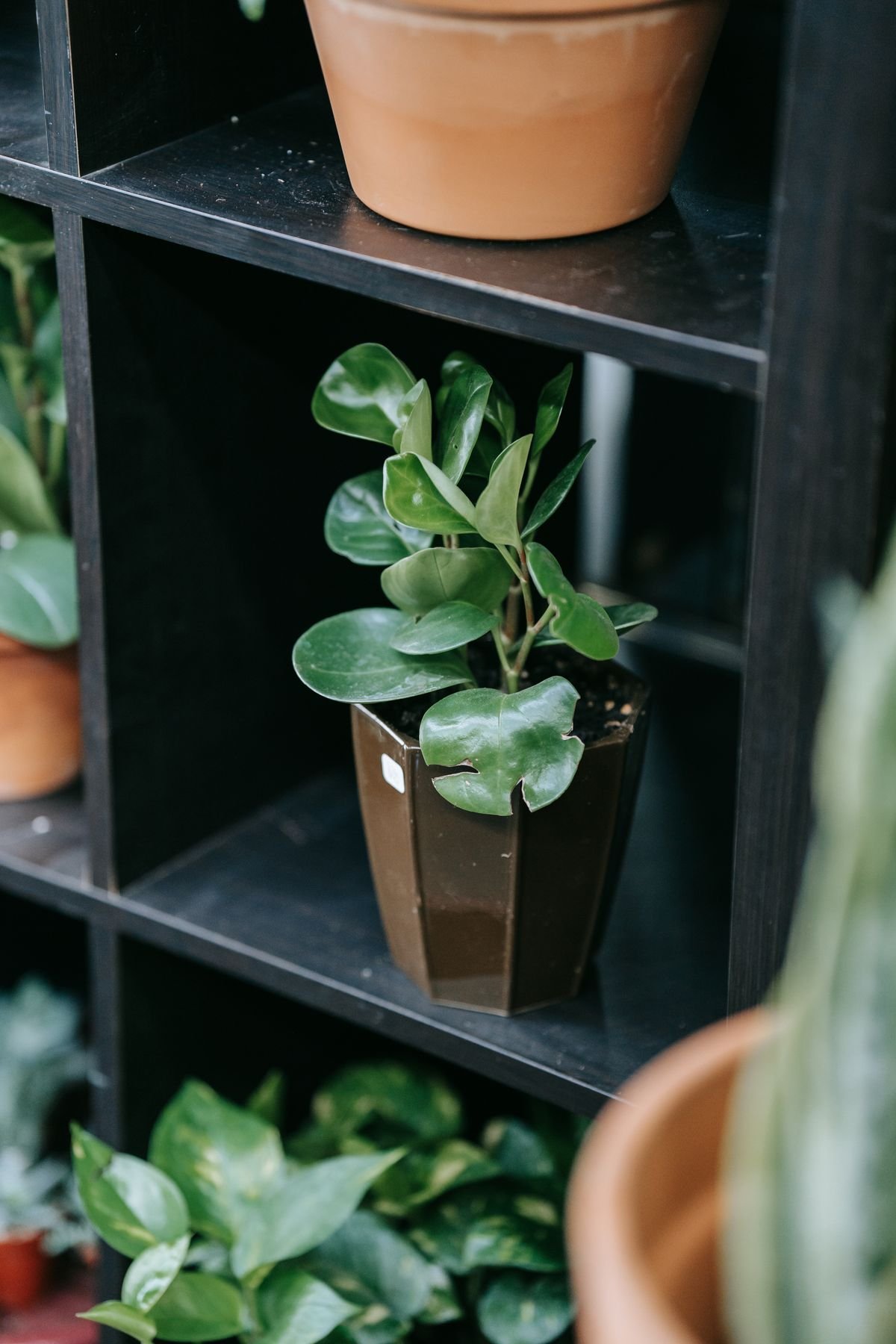
Peperomia Auxin Hormone: How It Controls Weak Growth
Auxin is the growth hormone behind three separate Peperomia obtusifolia behaviours that get blamed on unrelated causes — leaning toward a window, growing as a single unbranched stem, and rooting from a cut end — and understanding which is which changes how you prune, rotate, and propagate.
Peperomia Water to Soil Transition: Avoid Root Shock
Move a Peperomia obtusifolia cutting from water to soil once its roots reach 2-3 cm, using a high-perlite transition mix and a short period of elevated humidity, since water-formed roots are structurally different from soil roots and need time to adapt rather than an abrupt switch.