
Expert Care Guides - Page 12
A comprehensive library of technical diagnostics, styling tips, and botanical science for the Peperomia enthusiast.
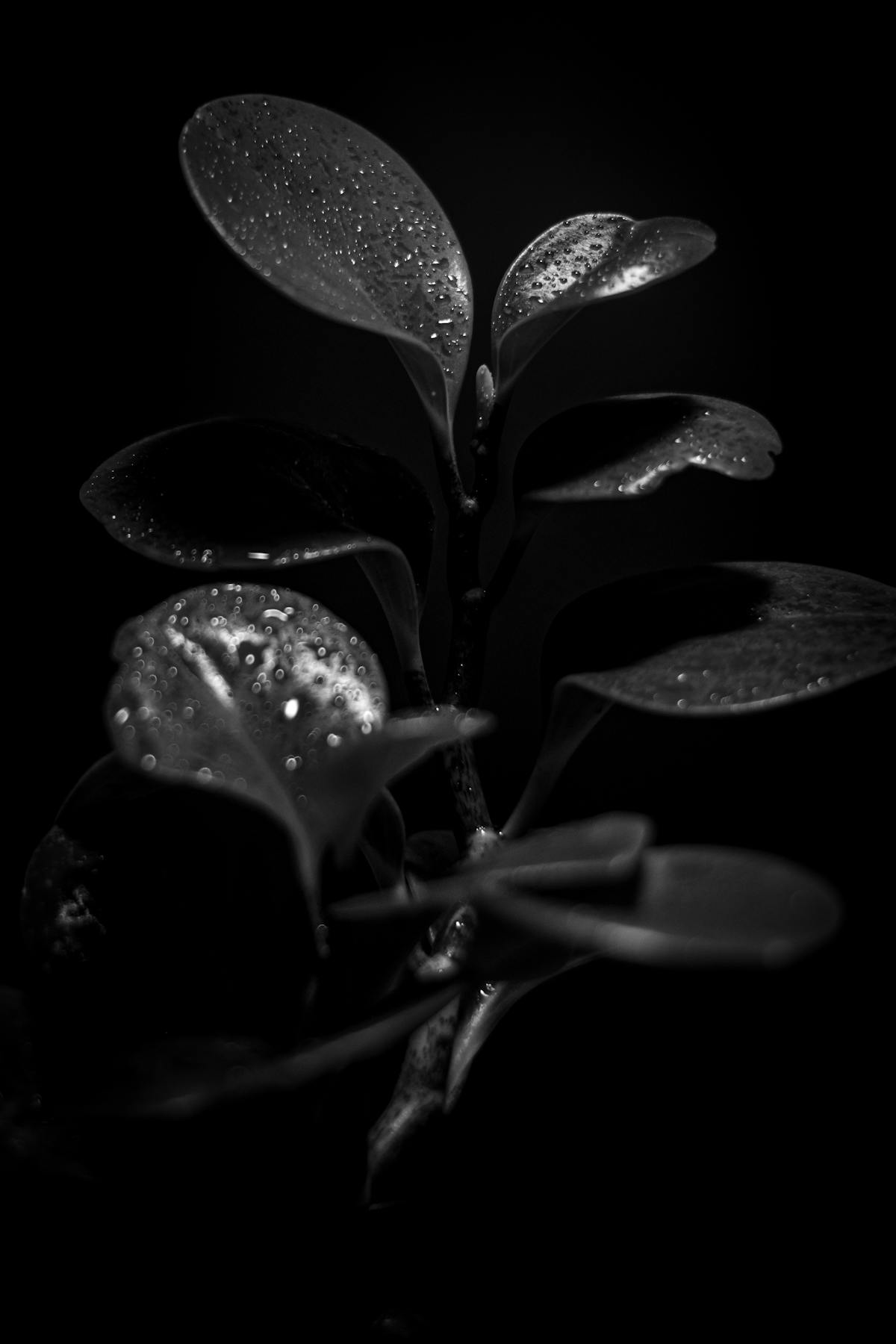
White Spots on Peperomia: Edema, Pests or Minerals?
White spots on Peperomia obtusifolia are not one problem with one fix. Five distinct causes — a pest, two physiological disorders, a fungus, and a normal anatomical feature — produce white markings, and one wipe test separates them.
Peperomia Cuttings in Perlite: Best Semi-Hydro Method
Perlite propagation works well for Peperomia obtusifolia because the inert, high-porosity granules keep oxygen available at the cut surface throughout rooting, and the resulting roots are already substrate-adapted, removing the water-to-soil transition that trips up water-propagated cuttings.
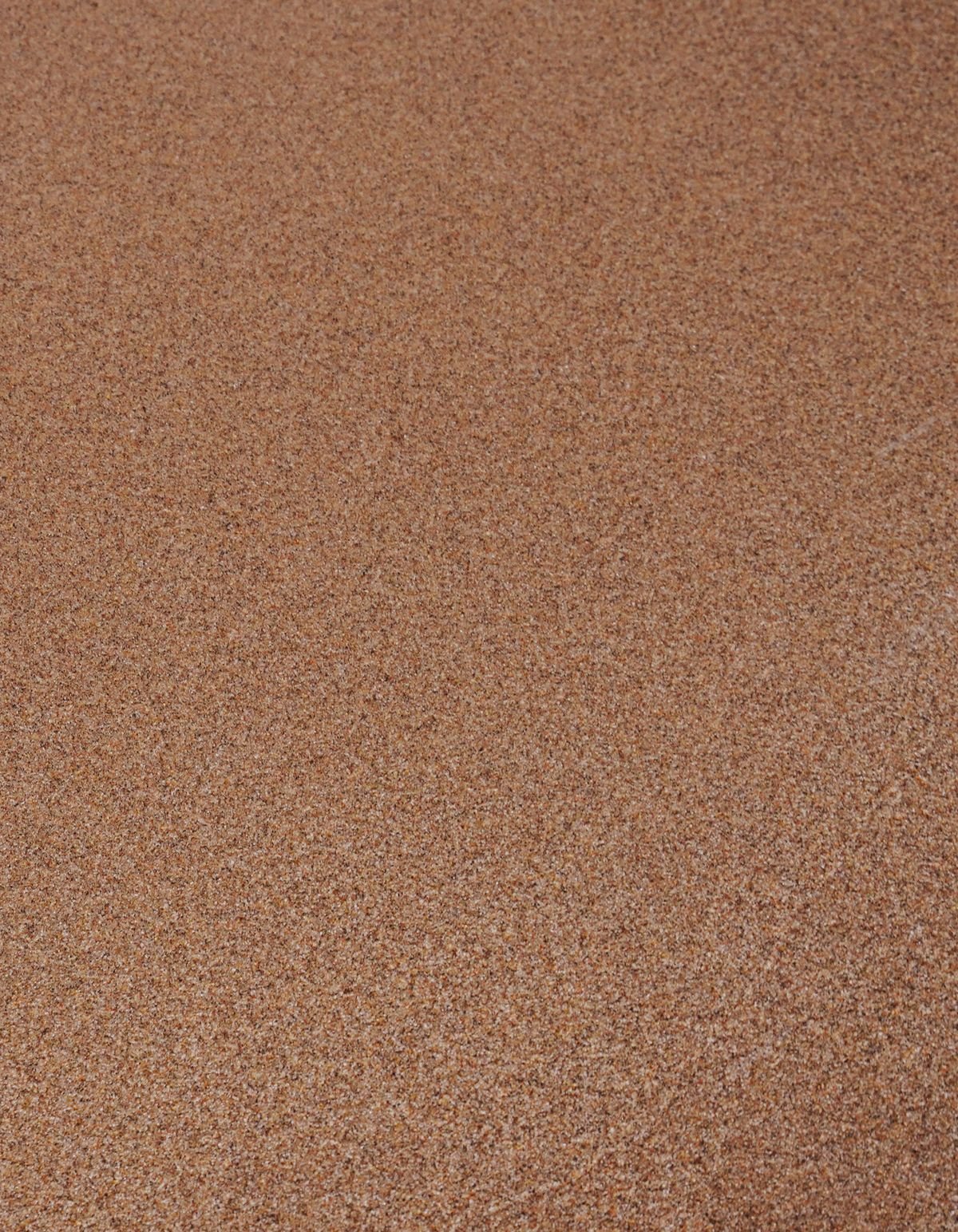
Fluval Stratum for Peperomia: Best Propagation Method
Fluval Stratum, an aquarium substrate made from porous volcanic soil, works reasonably well for Peperomia obtusifolia propagation because it stays porous while buffering water to a mildly acidic pH and supplying trace minerals — a genuine advantage over inert media, though not a guarantee against the same underlying risks any propagation method carries.
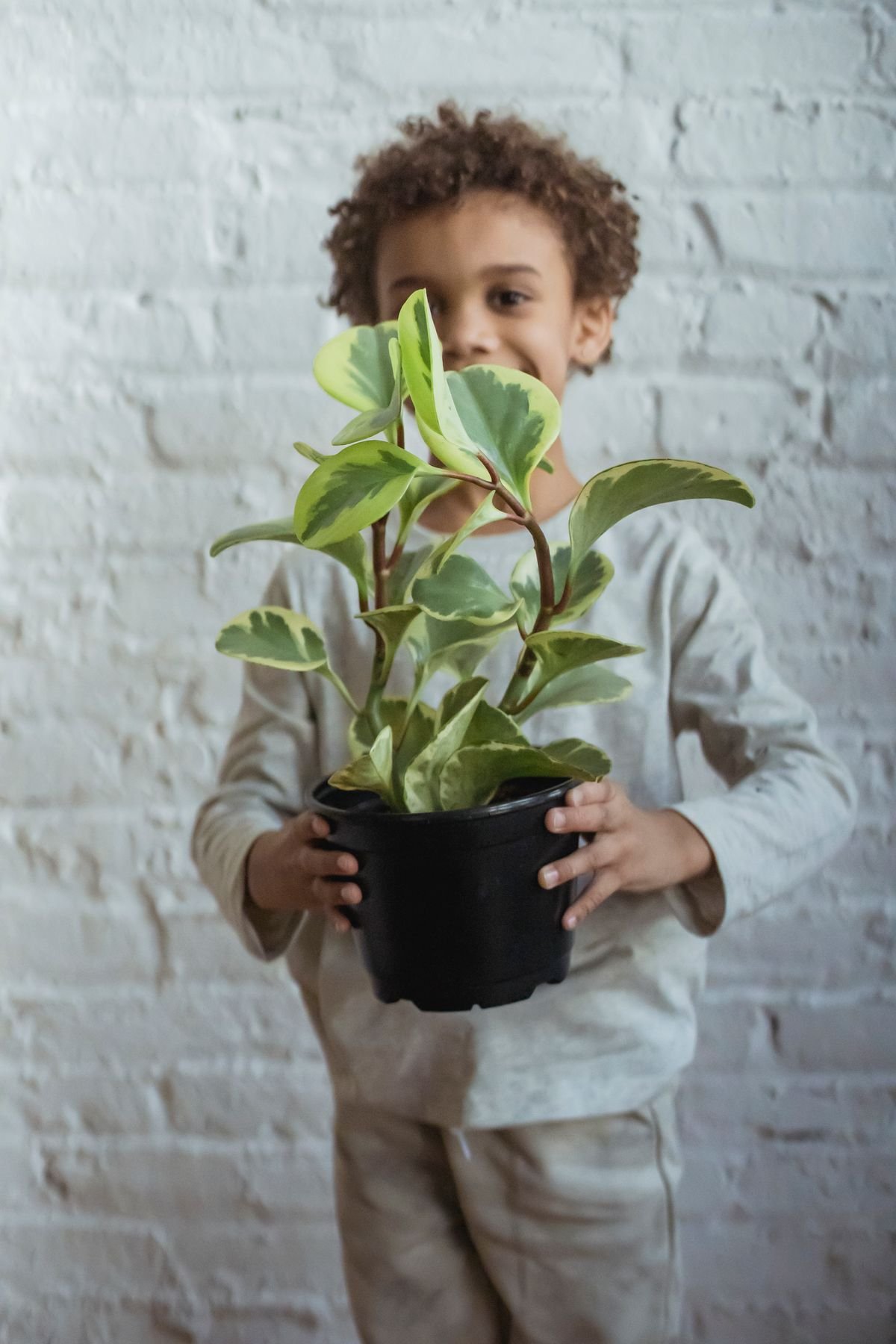
Propagating Variegated Peperomia: Avoid Reversion
Propagating variegated Peperomia obtusifolia works reliably from a stem cutting that includes at least one variegated node, since the node carries the organised chimeric tissue layers a leaf cutting cannot regenerate on its own.
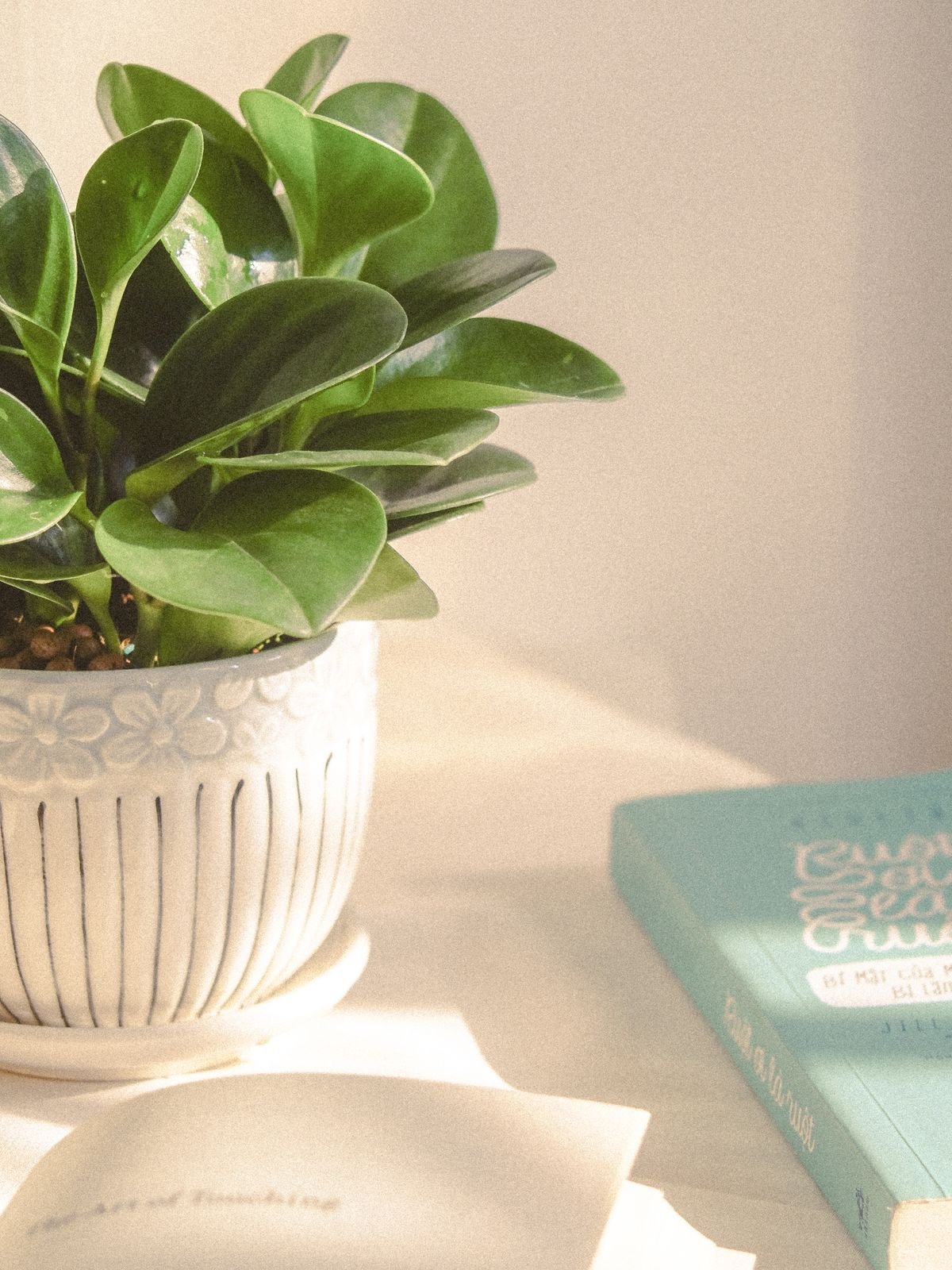
Dull Peperomia Leaves: Restoring the Signature Gloss
Peperomia obtusifolia leaves lose their signature high-gloss finish for a small set of identifiable reasons — mostly dust and mineral residue rather than anything wrong with the plant itself — and restoring it safely means plain water and a soft cloth rather than a commercial leaf-shine product.
Best Rooting Hormone for Peperomia: Powder vs. Gel Guide
Rooting hormone is optional for Peperomia obtusifolia — this species roots readily without it — but for growers who want the modest speed advantage, the choice between powder and gel comes down to which propagation medium is being used, not which product is inherently stronger.
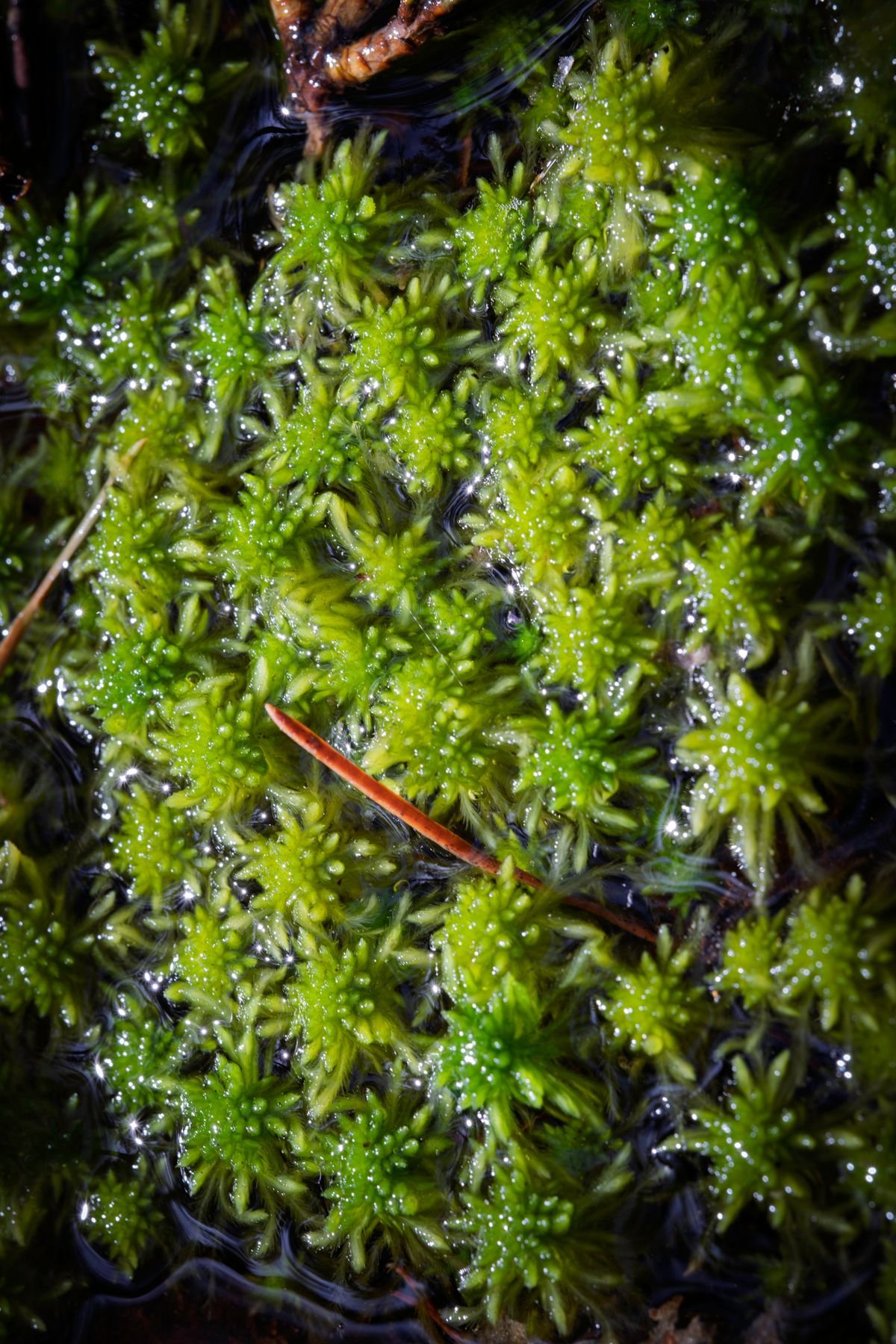
Propagating Peperomia in Sphagnum Moss: Avoid Rot
Sphagnum moss works well for Peperomia obtusifolia propagation because its fibrous structure holds substantial moisture while still leaving air pockets between strands — a combination that produces roots already adapted to a physical medium, easing the transition to soil that water-propagated cuttings often struggle with.
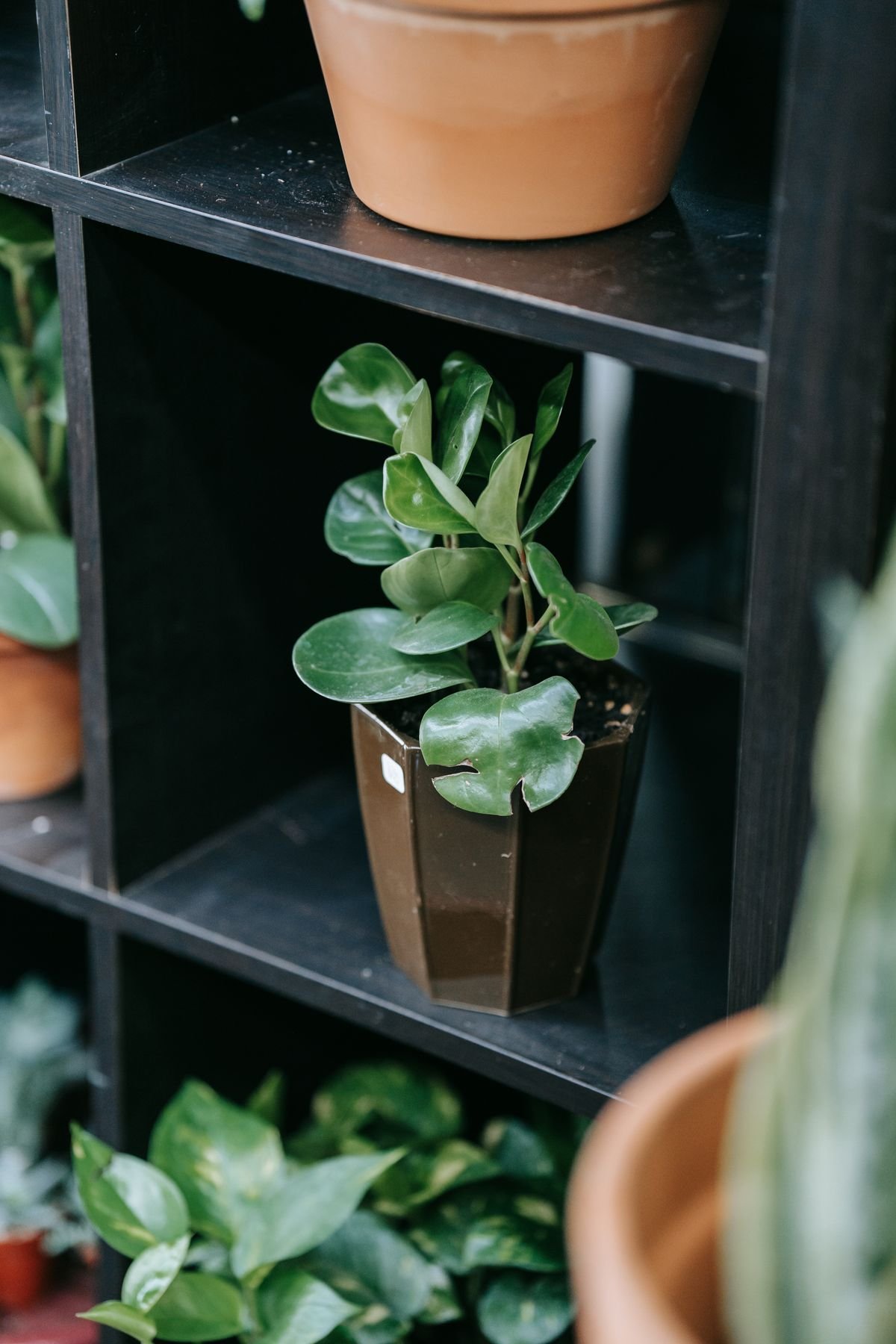
Keiki Paste on Peperomia: Does It Work or Is It a Myth?
Keiki paste, a cytokinin gel developed for forcing orchid keikis, can genuinely trigger a dormant Peperomia obtusifolia node to break into new growth by overriding apical dominance — the mechanism is real botany, but the reliable, well-documented technique for the same goal is still simple pruning, and keiki paste should be treated as an experimental add-on rather than a proven upgrade.
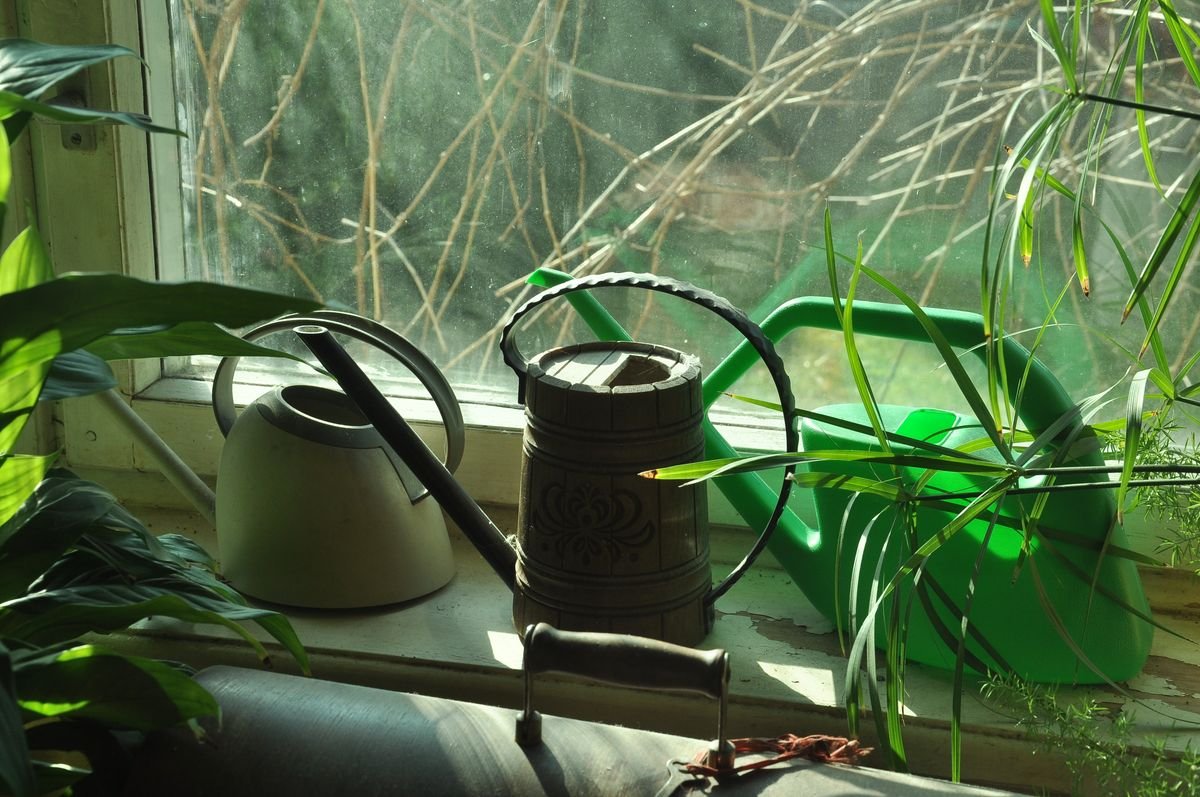
Bottom Watering Peperomia: Method, Timing and Risks
How to bottom-water Peperomia obtusifolia: dry-down trigger, 15–30 minute tray soak, drain protocol, and why a quarterly top-flush is required to clear surface salts.
Peperomia Aerial Roots: Why They Appear & What to Do
Peperomia aerial roots are adventitious anchors from a facultative epiphyte — normal, not disease. Leave them, snip flush with sterile tools, guide into mix, or cut below a rooted node to propagate. They do not mean the pot is root-bound.
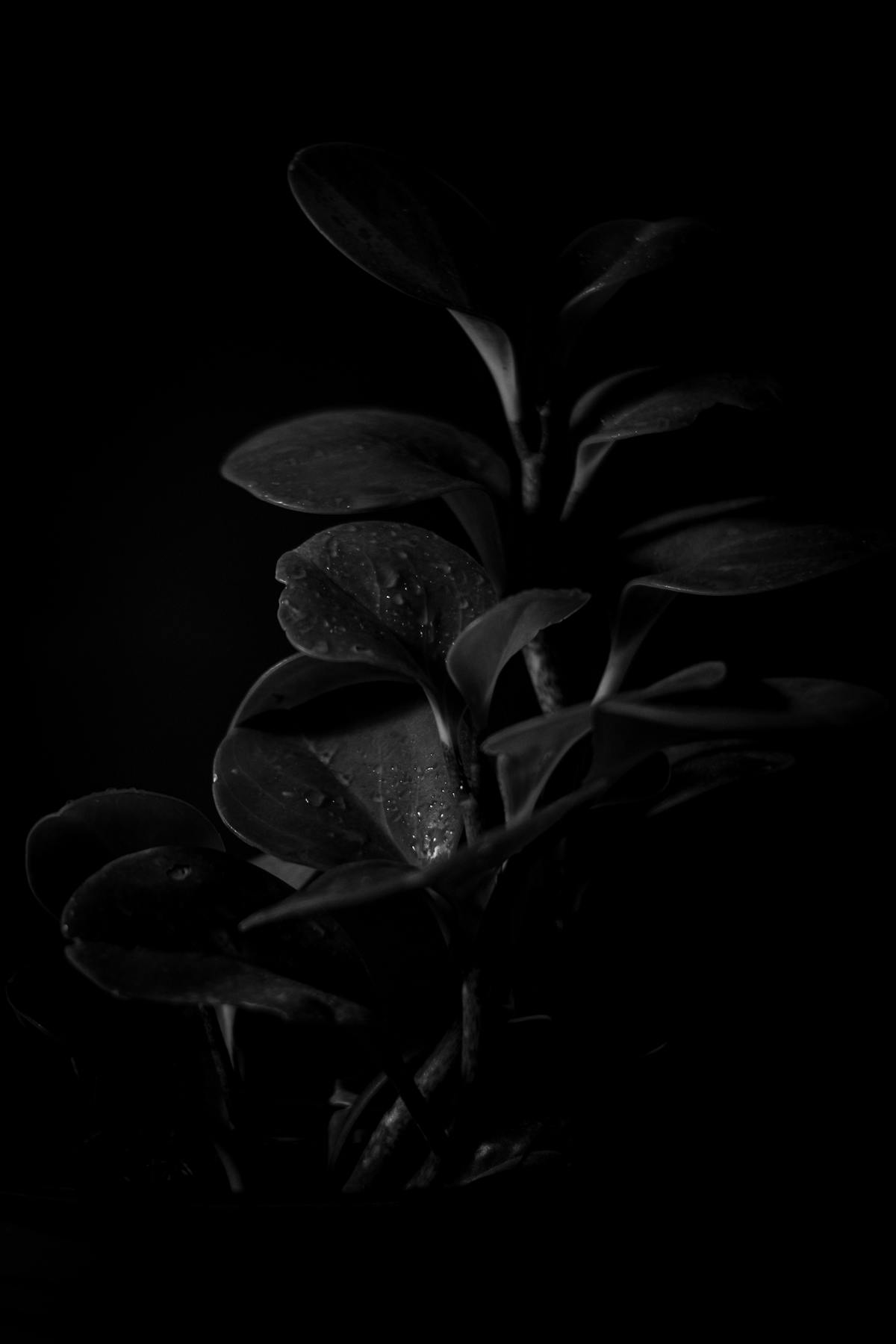
Can Peperomia Obtusifolia Live in a Bathroom? Thermodynamics & Care
The bathroom is often assumed to be an ideal tropical plant environment by default, but for Peperomia obtusifolia the light and vapour pressure deficit in a typical bathroom matter far more than the humidity does.
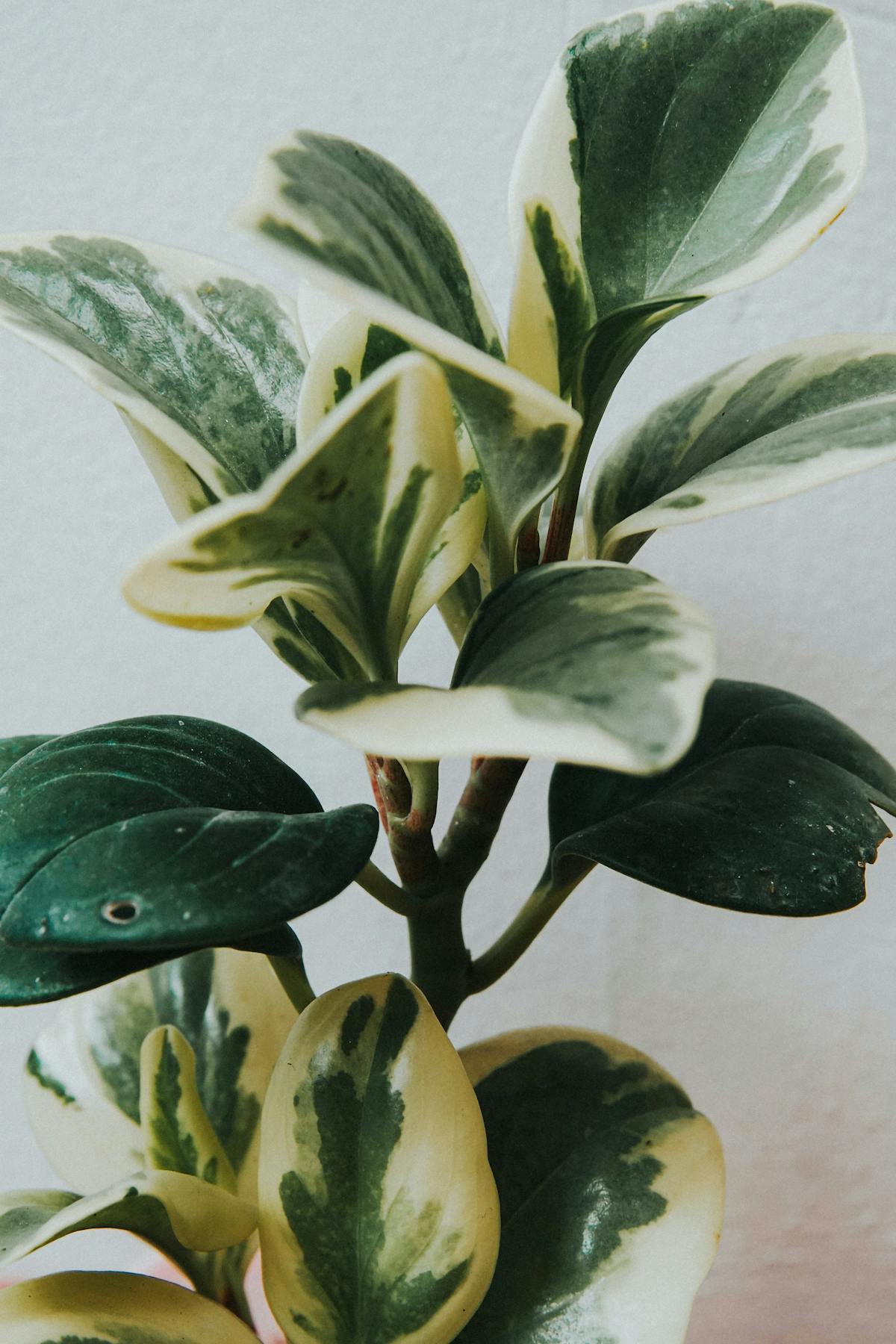
Peperomia Obtusifolia 'Bicolor': How to Fix Red Stems
Peperomia obtusifolia 'Bicolor' is identified by its red-tinted stems and irregular, splashed cream variegation, and fading red stems almost always trace back to insufficient light rather than a watering or feeding problem, since the anthocyanin pigment responsible for the colour is produced in direct proportion to light intensity.