Expert Care Guides - Page 13
A comprehensive library of technical diagnostics, styling tips, and botanical science for the Peperomia enthusiast.
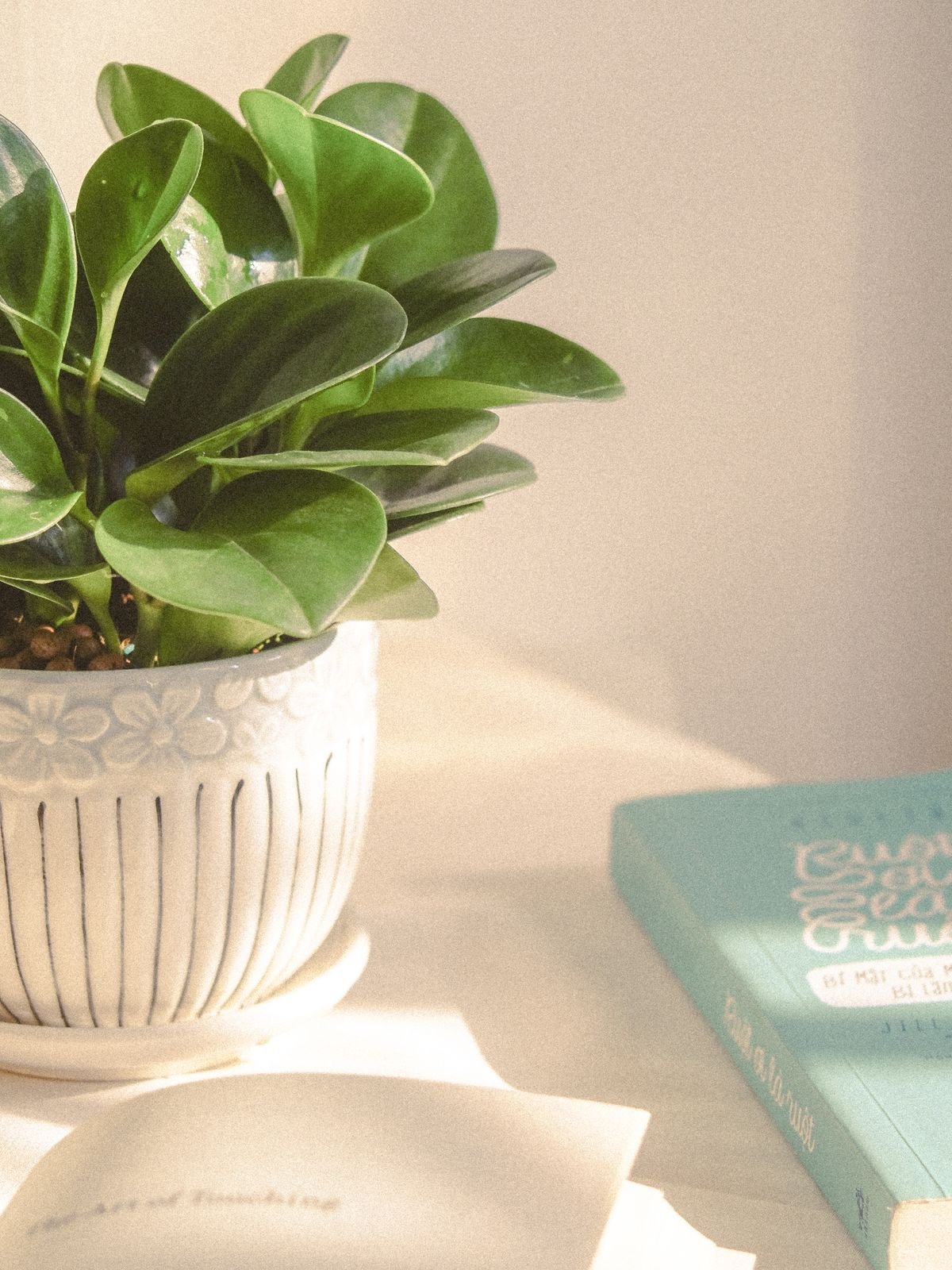
Peperomia Obtusifolia 'Boie': Safe Care & ID Guide
Peperomia obtusifolia 'Boie' is a trade name that does not appear in the standard reference lists of named P. obtusifolia cultivars, and we could not verify it against a nursery, registry, or breeder source — this guide explains what to check before treating any specimen sold under this name as a confirmed distinct cultivar, and covers the safe general-species care that applies regardless.
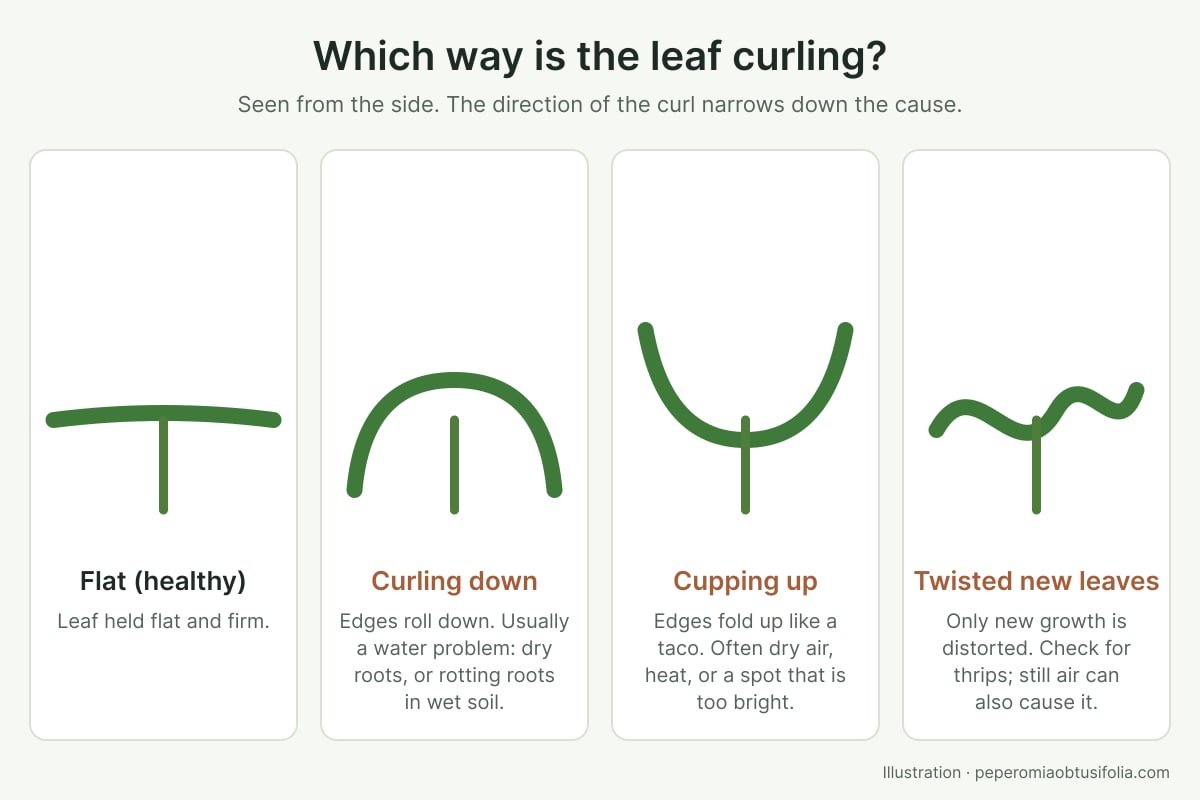
Peperomia Curling Leaves: Direction-Based Diagnosis
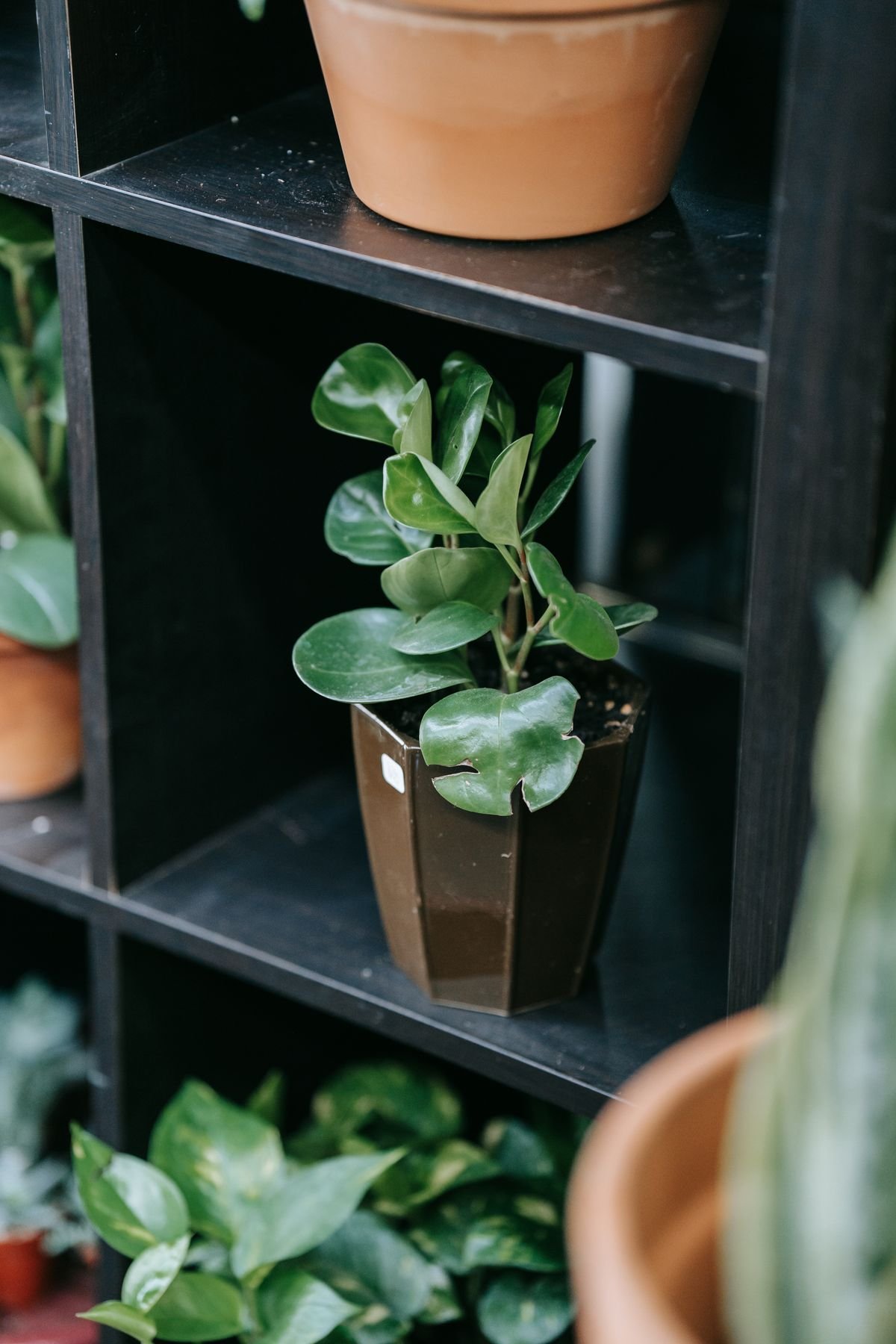
Peperomia in LECA: Setup, Nutrients and Care
LECA suits Peperomia obtusifolia because the medium replicates the high air-filled porosity of its native epiphytic root zone — but because it is chemically inert, every nutrient, pH adjustment, and salt flush becomes the grower's responsibility rather than the soil's.
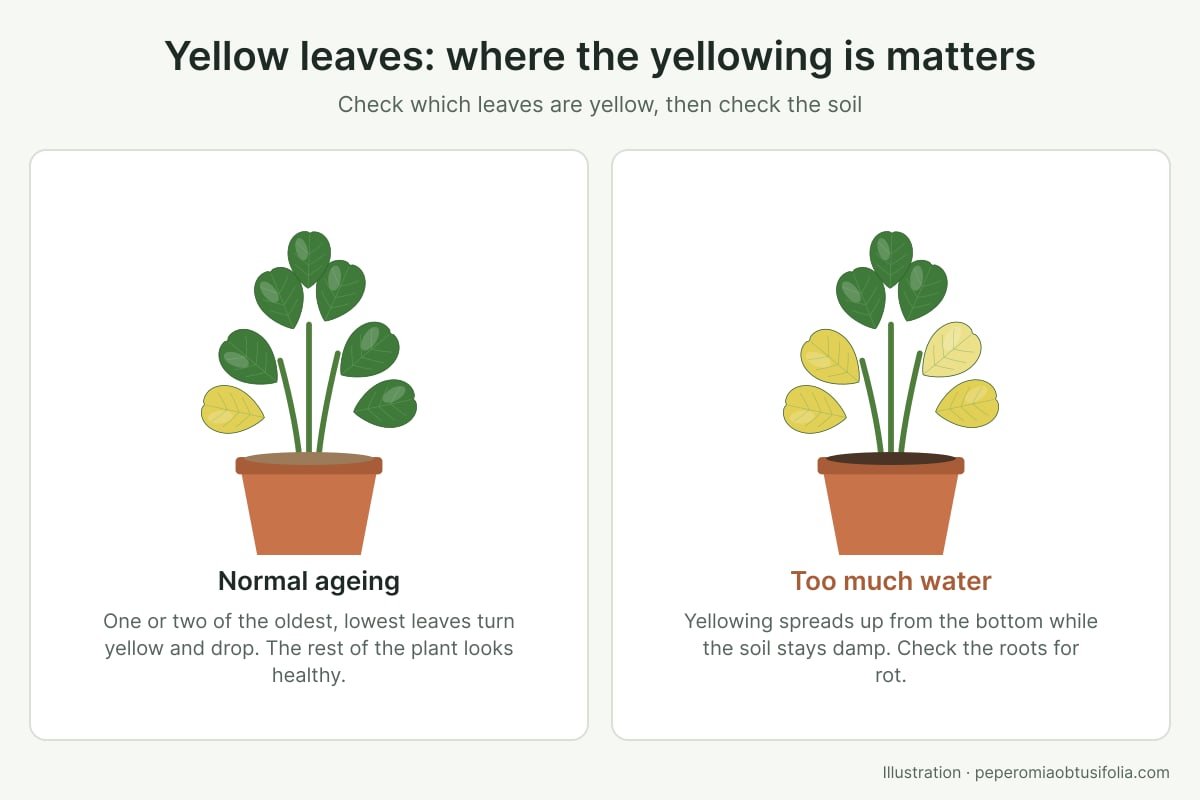
Yellow Peperomia Leaves: Causes and Recovery
Yellow leaves on Peperomia obtusifolia are a chlorophyll-breakdown signal, not a diagnosis on their own — the most common cause is root anoxia from overwatering, but the location and texture of the yellowing separate that from a nutrient or pH cause that needs the opposite response.
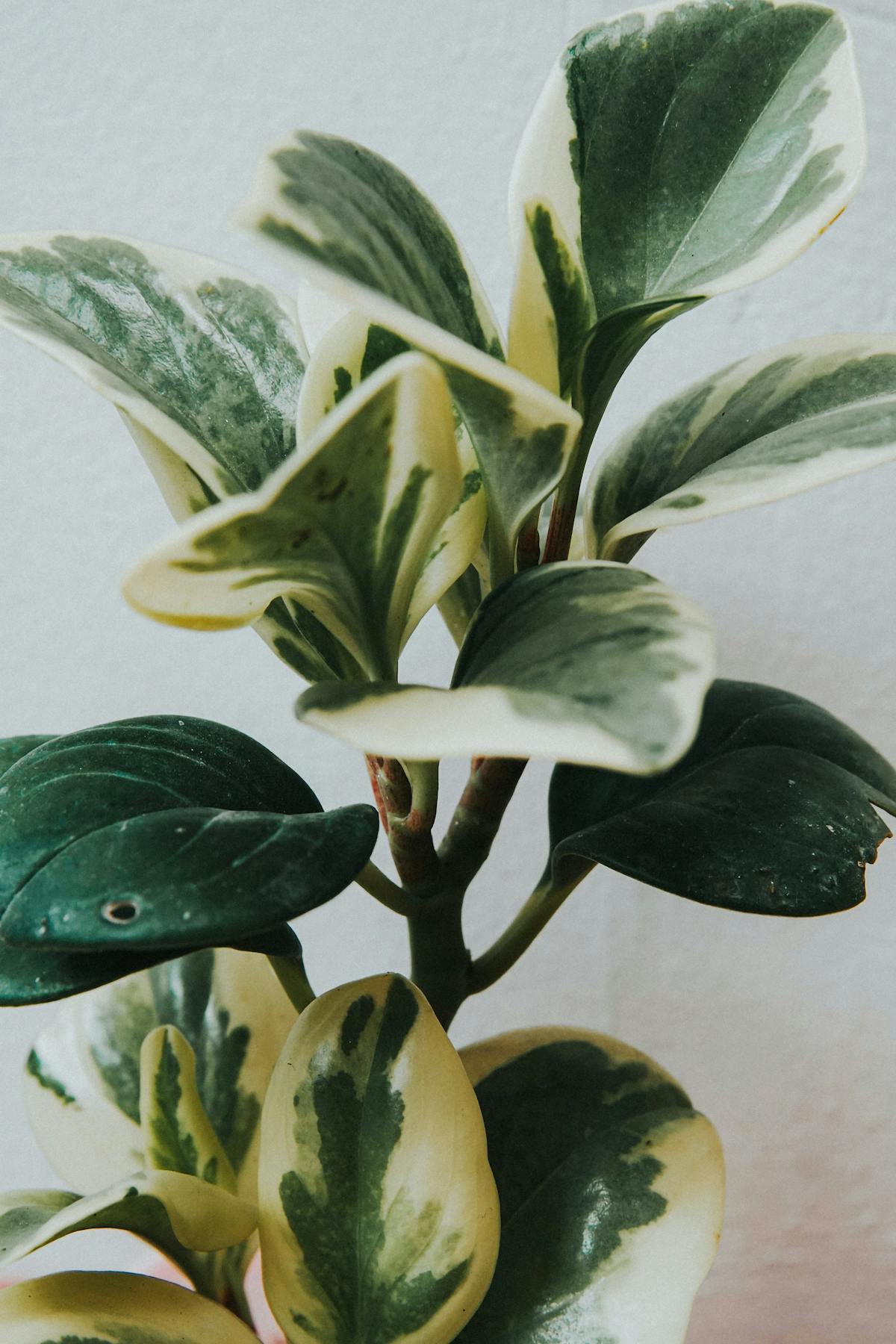
Rare Peperomia Obtusifolia Varieties: ID Guide
Rare Peperomia obtusifolia cultivars are distinguished from the common Jade and Variegata forms by identification traits rooted in genuine, documented variegation genetics — but cultivar names circulating in collector networks vary in how verifiable they are, and rarity itself reflects propagation yield rather than any special growing difficulty.
Peperomia Alba: Cream Variegation, Light & Reversion
Peperomia alba holds cream-white chimeric tissue only in bright, indirect light. Too little light and new growth greens; strong unfiltered sun scorches cream sectors. Identify the cultivar, fix light, prune green shoots, and propagate stem nodes.
Brown Peperomia Leaves: Causes and Fixes
Brown leaves on Peperomia obtusifolia are a diagnostic signal, not a cosmetic problem — the most common cause is overwatering, producing soft mushy patches, while crispy, sharply bordered browning almost always traces to humidity, tap water minerals, or sunburn instead, and appearance alone rarely settles which.
Peperomia Water Propagation: Step-by-Step Guide
Peperomia water propagation works well for stem cuttings of this species, but only if the cutting is callused first and the wet-to-dry transition to soil is handled deliberately. This guide covers node selection, the callus phase, water maintenance, realistic rooting timelines, and the transplant step that causes most failures.
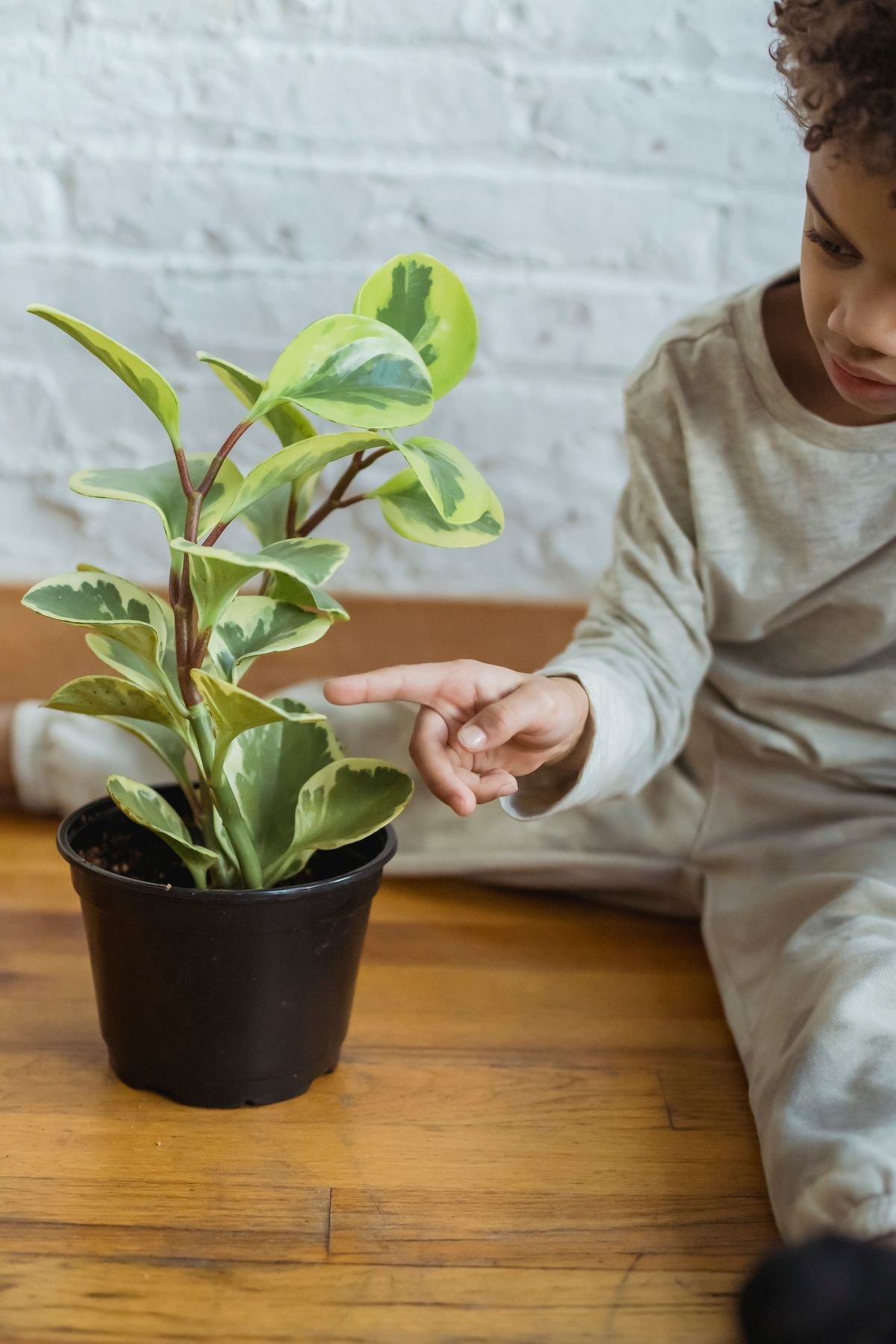
How to Prune Peperomia for Bushier Growth
Pruning is the reliable fix for a leggy, thin, or one-sided Peperomia obtusifolia: cutting above a node removes the auxin source that suppresses branching below it. This guide covers the decision checklist, the one-third safety limit backed by NC State and Clemson HGIC pruning guidance, the exact cut technique, and the aftercare that determines whether new growth actually appears.
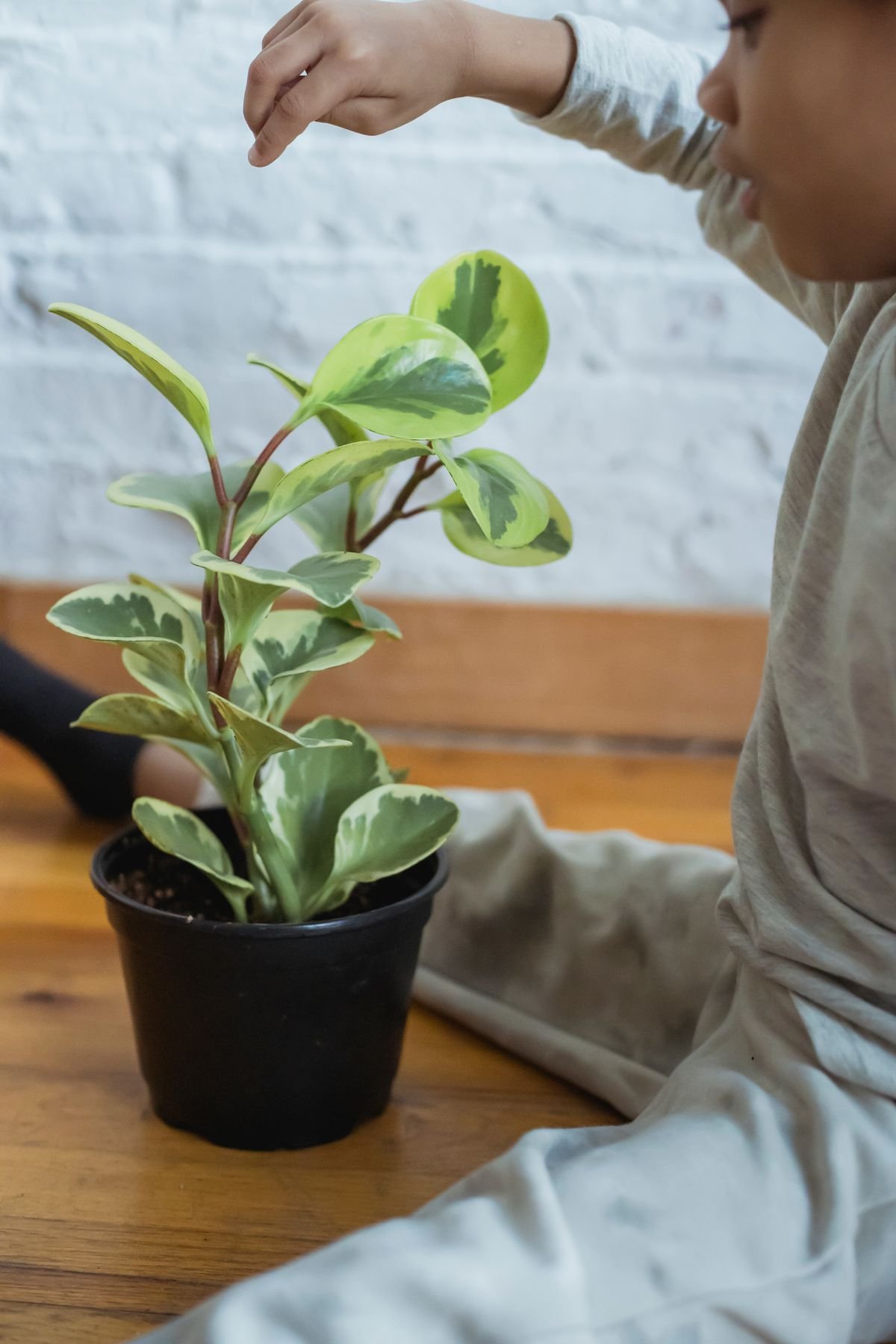
How to Propagate Peperomia: 4 Reliable Methods
Four propagation methods for Peperomia obtusifolia — with the biological explanation for why each works, how long each usually takes, and the conditions each requires.
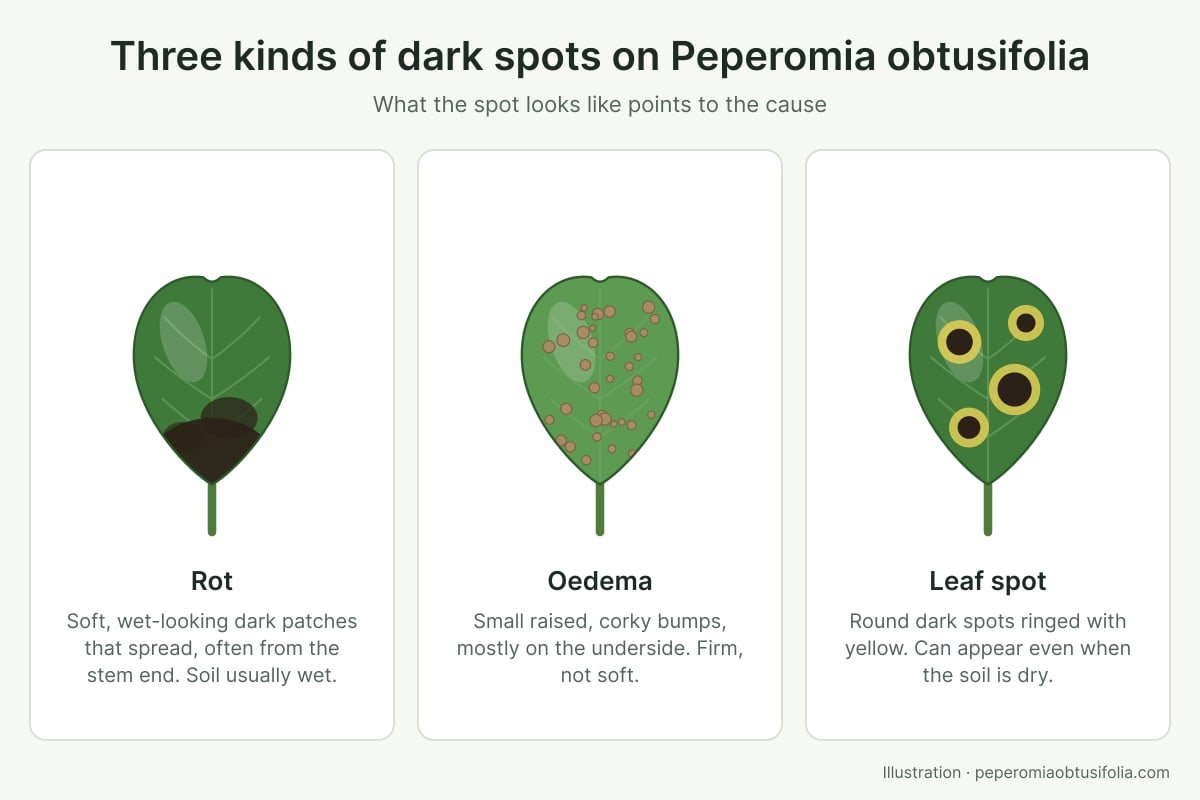
Black Spots on Peperomia: 7 Causes and Fixes
Black spots on Peperomia obtusifolia always have a specific biological cause. This guide covers seven distinct mechanisms — from fungal infection to ring spot virus — and the exact treatment each requires.
Peperomia Obtusifolia Care: Complete Indoor Guide
The complete botanical reference for Peperomia obtusifolia care. Learn the biological mechanisms behind every light, water, and soil decision — and why the standard tropical houseplant advice routinely fails this species.