Expert Care Guides - Page 8
A comprehensive library of technical diagnostics, styling tips, and botanical science for the Peperomia enthusiast.
Peperomia Obtusifolia Roots Smell: How to Fix Decay
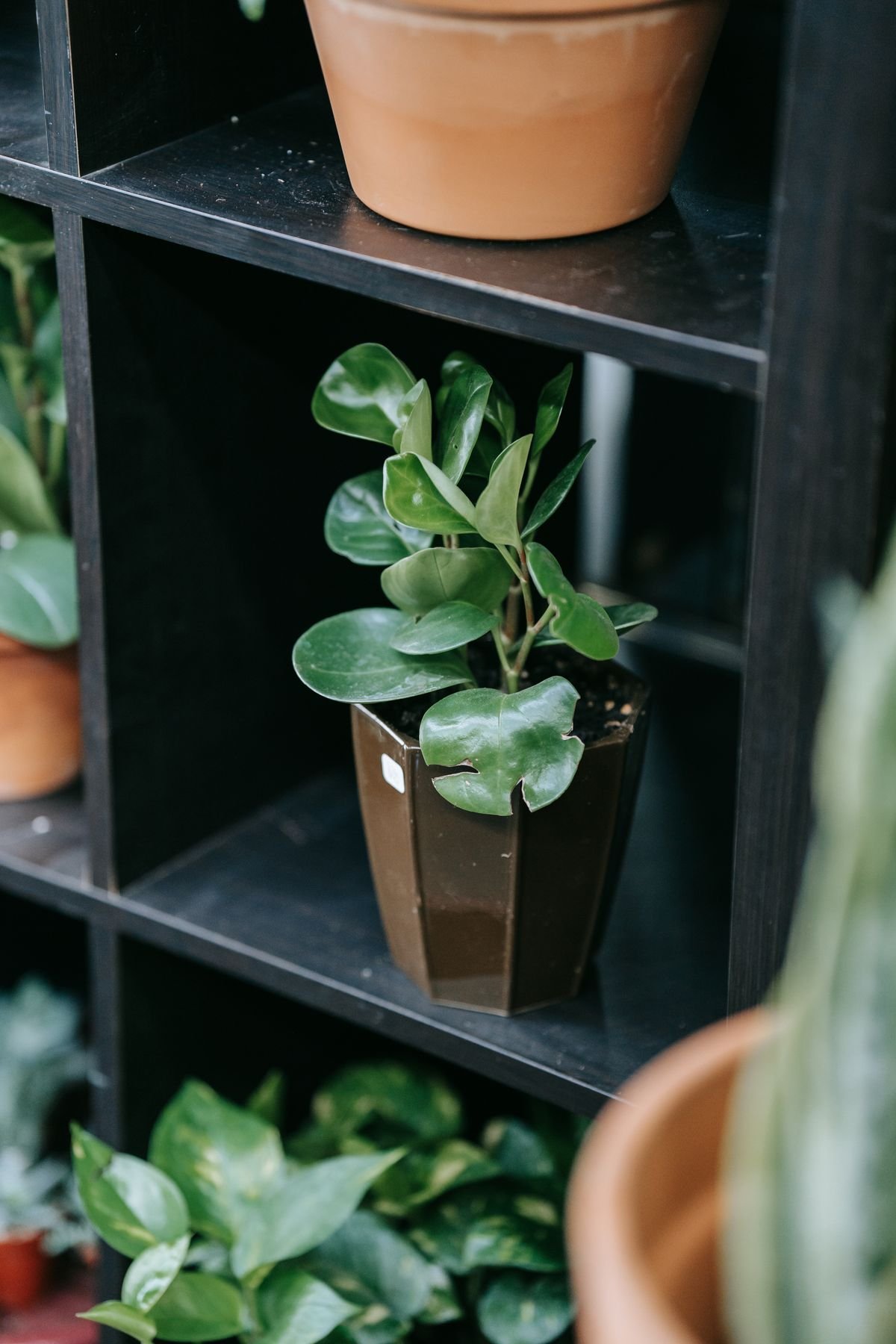
A sour, sulfurous, or sickly-sweet smell from Peperomia obtusifolia substrate almost always means root rot from prolonged saturation, and appearance alone is not enough to judge severity — unpotting to check root colour and texture directly is the only reliable way to confirm the diagnosis and decide how much tissue needs to come away.
Peperomia Scale Insects: Identify & Stop the Damage
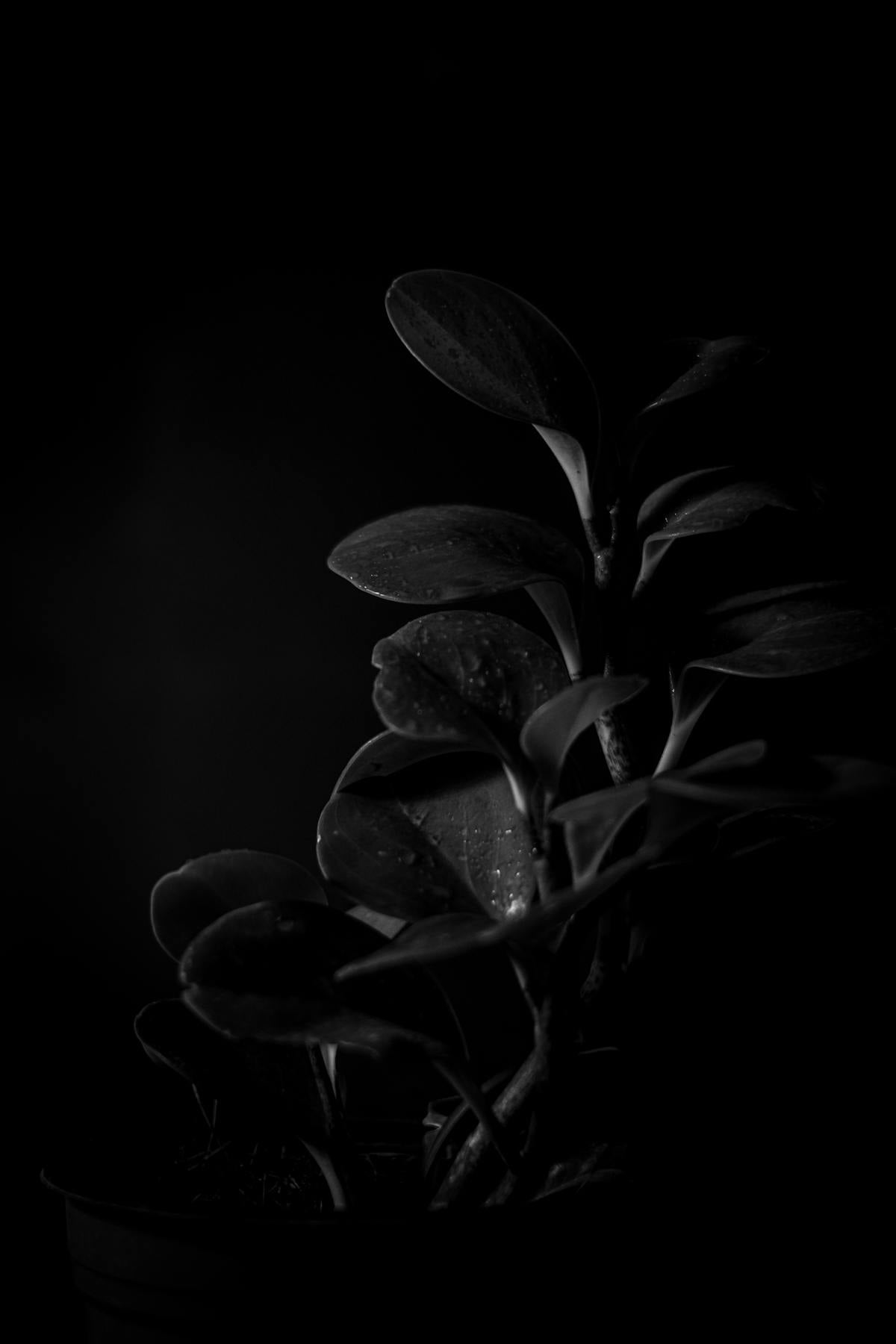
Scale insects on Peperomia obtusifolia present as small, immobile brown or tan bumps on stems and leaf undersides — easy to mistake for a natural growth feature until sticky honeydew or sooty mould appears, and harder to treat than most soft-bodied pests because the adult stage is sealed under a waxy shell.
Shipping Peperomia: Avoid Transit Damage & Leaf Drop
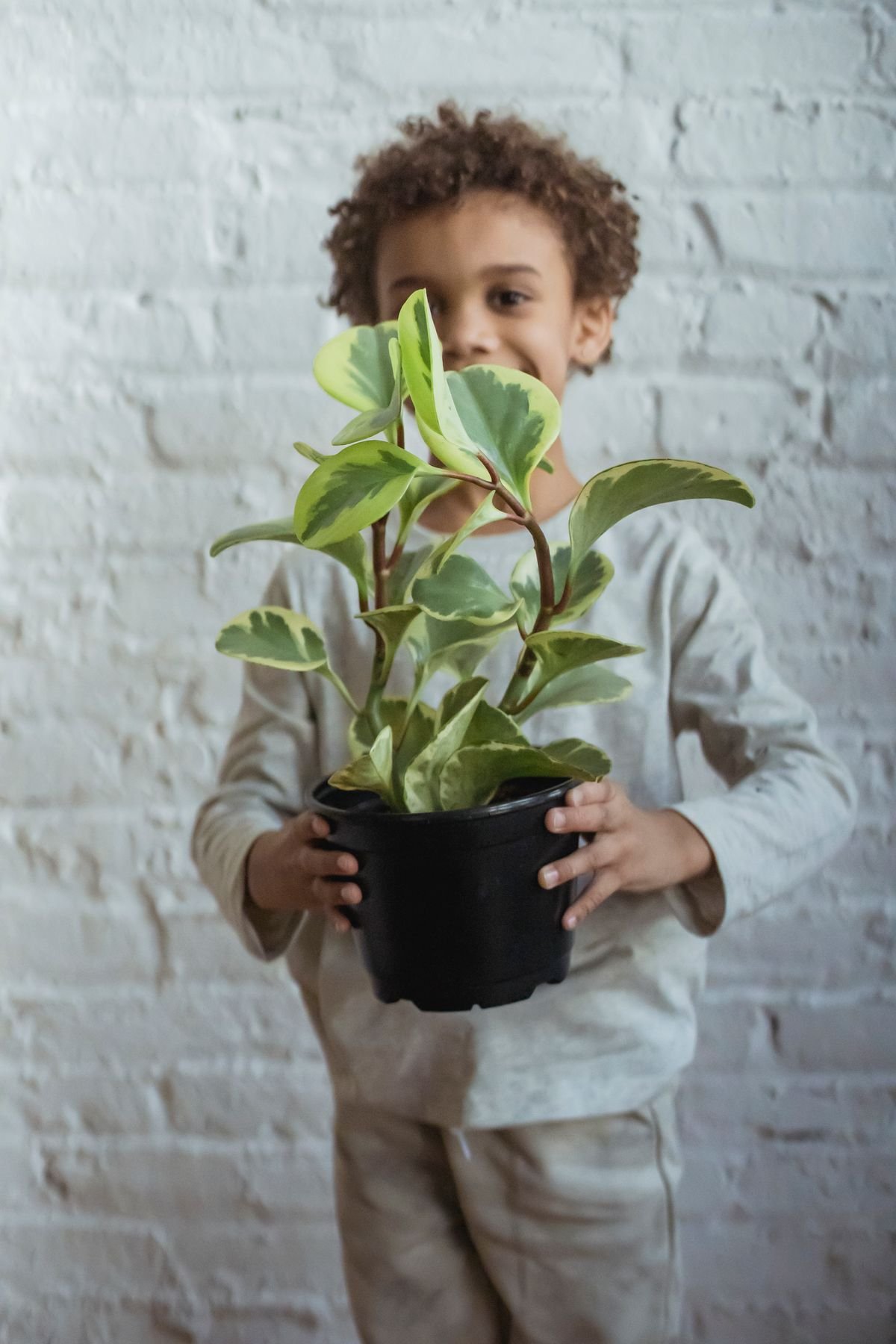
A Peperomia obtusifolia that spends two to five days sealed in a dark, temperature-unstable shipping box commonly sheds a few older leaves and arrives with reduced turgor — a genuine but usually temporary stress response, distinct from cold damage or root rot, that resolves within a couple of weeks of gradual light reintroduction and correct watering.
Peperomia Sphagnum Moss: Best CEC, pH & Rot Control
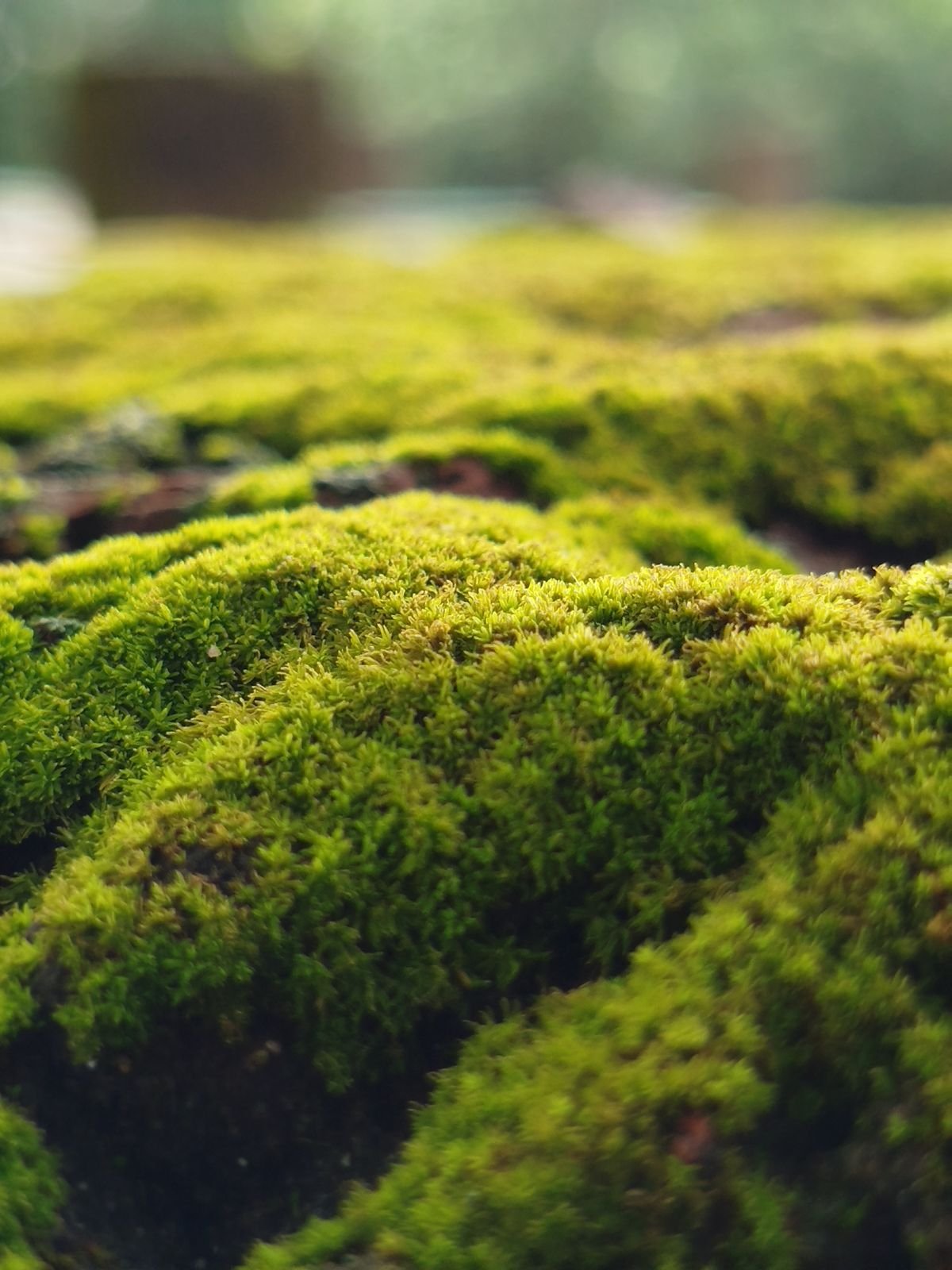
Sphagnum moss genuinely benefits Peperomia obtusifolia through high cation exchange capacity and a sterile, humidity-buffering environment for propagation, but packed tightly it holds enough water to cause root anoxia, and its naturally acidic pH needs buffering with an inorganic component before it belongs in a long-term substrate.
Peperomia Stem Cutting Propagation: Full Method
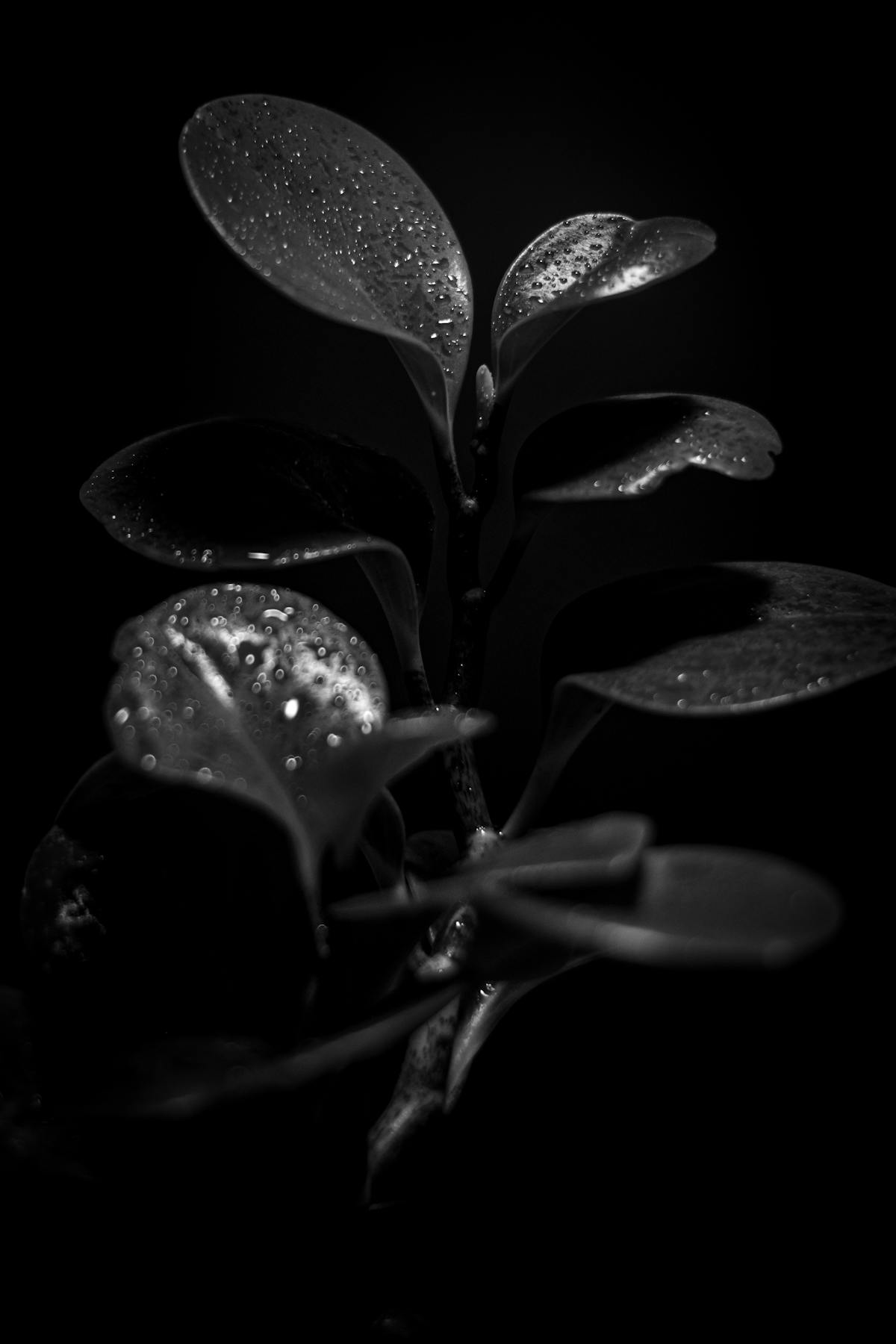
Stem cutting is the most reliable propagation method for Peperomia obtusifolia — a healthy node-bearing cutting roots readily without hormone or special equipment, and the biggest failure risk is rushing the wound past the callus stage before it ever touches water or medium.
Peperomia Obtusifolia Stem Rot: Causes & Rescue
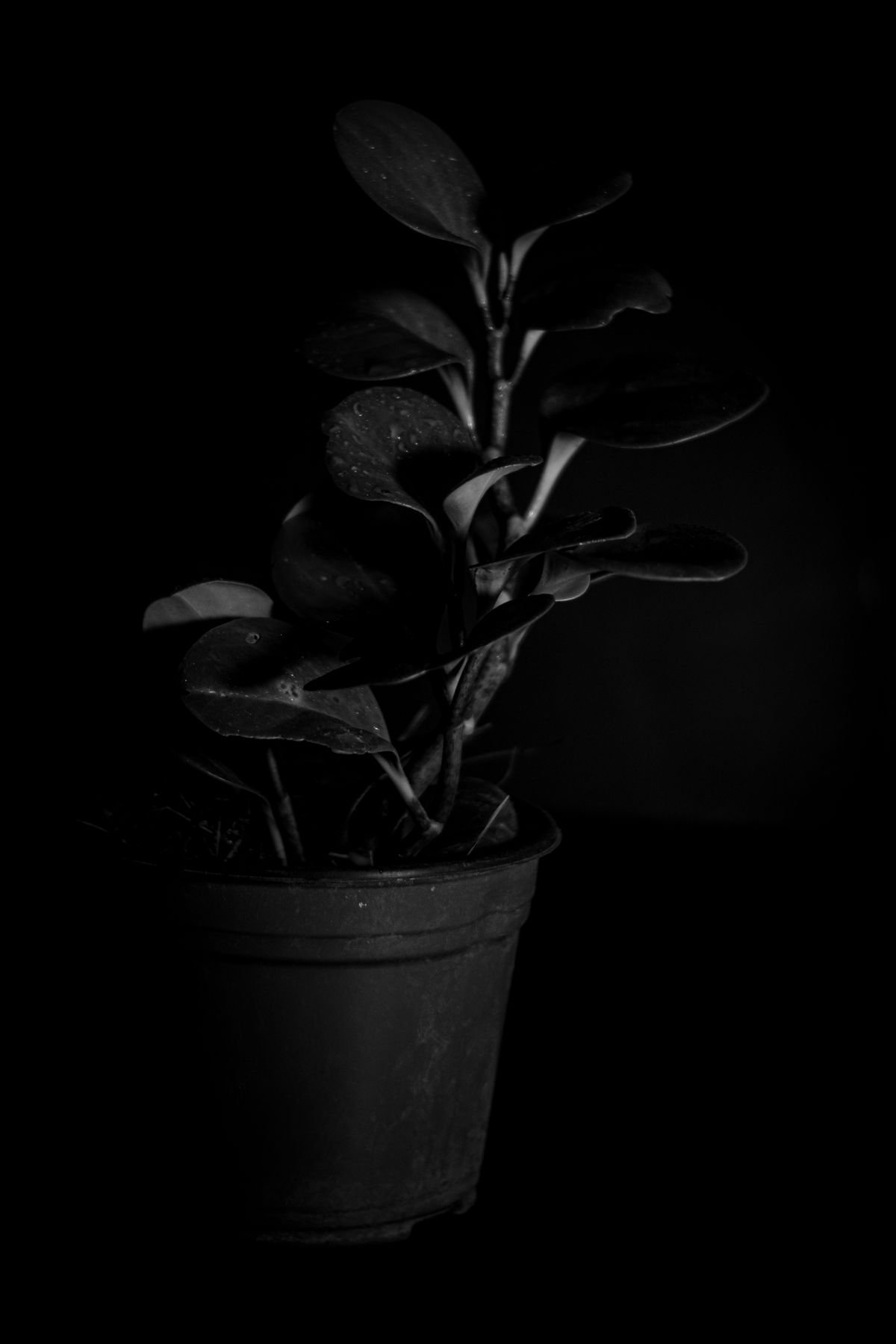
Peperomia obtusifolia stem rot is a vascular infection by Pythium or Phytophthora oomycetes that dissolves cell walls, not a watering problem that drying out reverses — appearance alone confirms the diagnosis, but only a clean stem cross-section confirms whether a rescue cutting is actually salvageable.
Peperomia Tap Water: How Chlorine & Fluoride Harm It
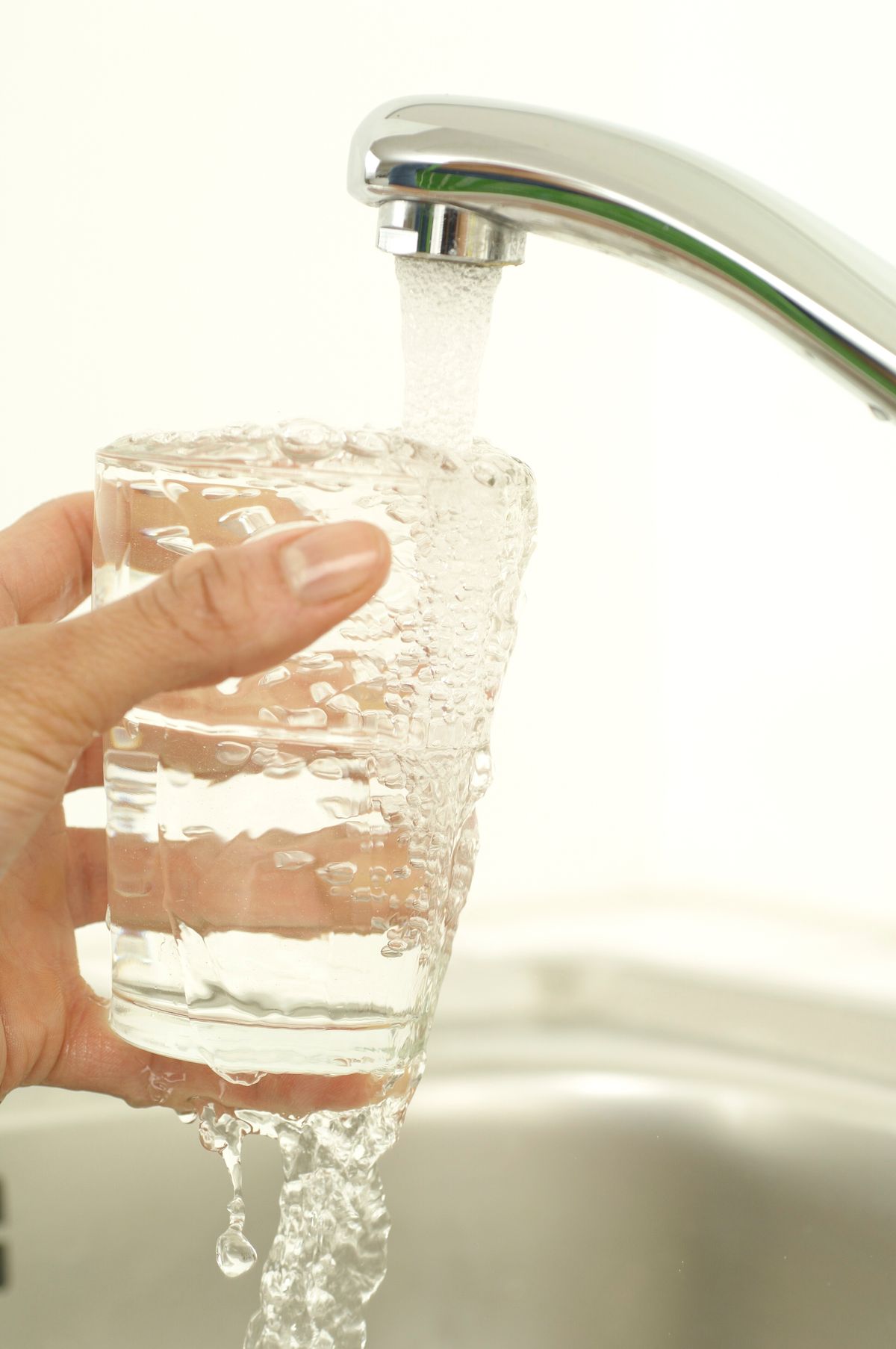
Ordinary tap water is safe for Peperomia obtusifolia in most municipal water systems — the documented risk is gradual mineral salt accumulation from hard water, not chlorine, which evaporates from standing water within about 24 hours and is present at concentrations too low to matter for a houseplant.
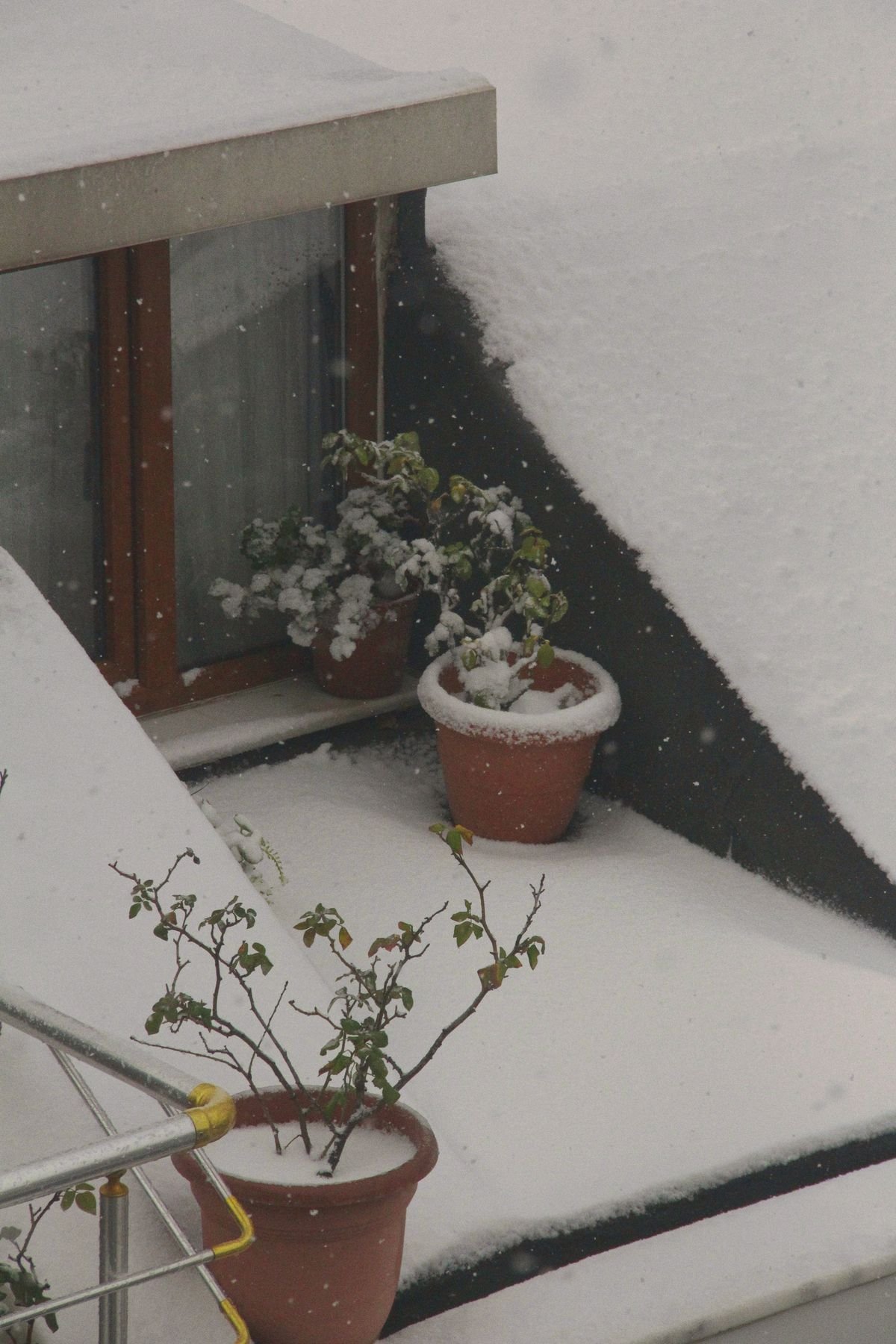
Peperomia Temperature Range and Cold Damage Signs
Peperomia obtusifolia grows best between 18-24°C and takes real cellular damage below 10°C sustained, with the risk showing up as mushy, translucent patches rather than an obvious sudden collapse.
Thrips on Peperomia Obtusifolia: Stop the Damage
Thrips on Peperomia obtusifolia are confirmed by metallic silvering paired with black frass specks — appearance alone is not enough, since eggs sealed inside the leaf and pupae buried in the substrate are why a single spray never fully clears an infestation.
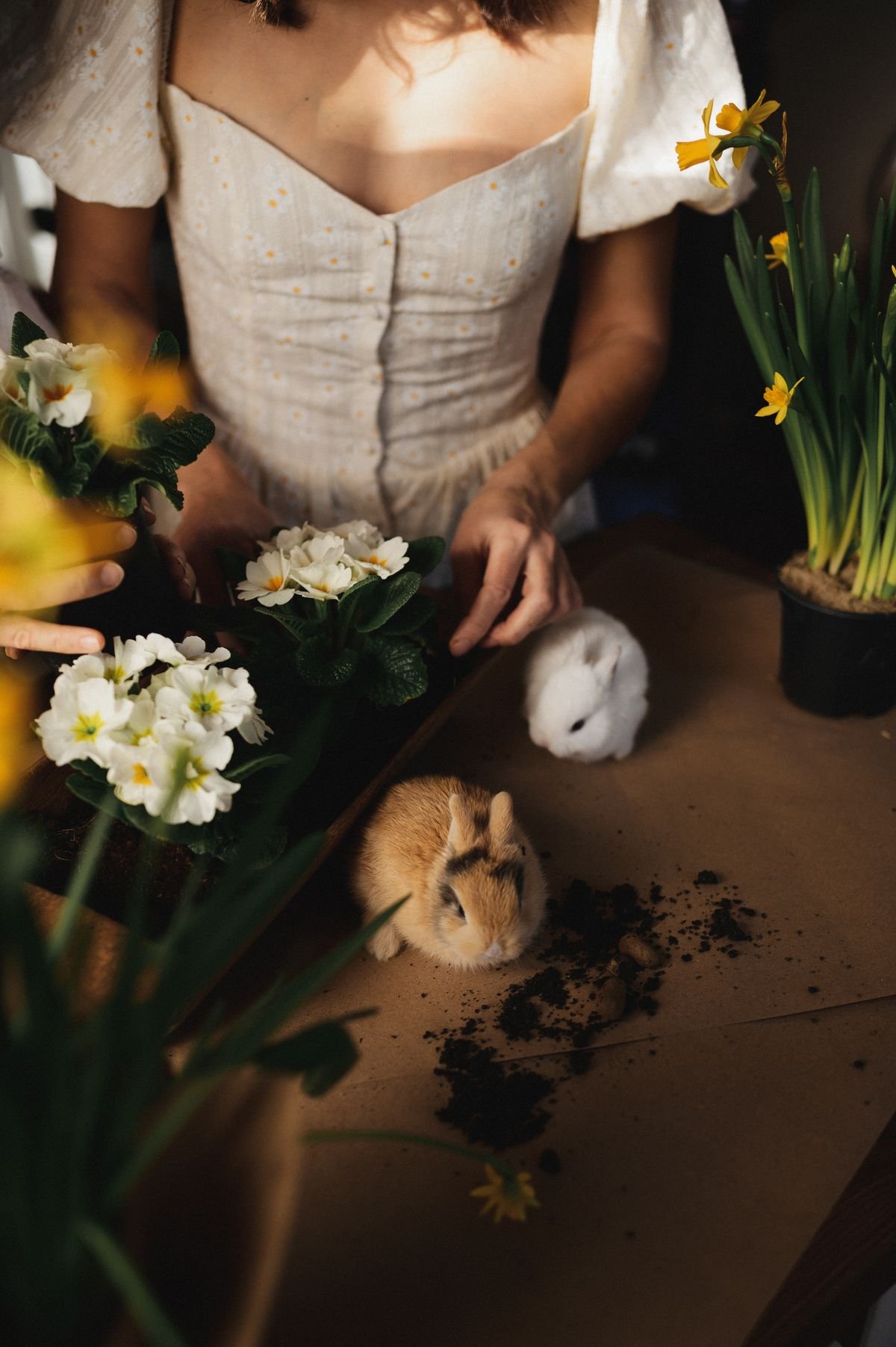
Is Peperomia Toxic to Rabbits? Lagomorph Physiology & Safety
Peperomia obtusifolia is not documented as toxic to rabbits — it lacks the calcium oxalate raphides and cardiac glycosides responsible for genuine plant toxicity in lagomorphs — but no major poison-control database tests rabbits specifically, so this rests on the plant's known chemistry rather than a rabbit-specific safety listing.
Peperomia Obtusifolia Travel Care: Avoid Leaf Drop
Peperomia obtusifolia is genuinely one of the easier houseplants to leave for a two- to three-week trip, since its water-storage tissue provides a real drought buffer, but a good outcome depends on a proper pre-departure watering and light setup, not on watering more heavily than usual before leaving.
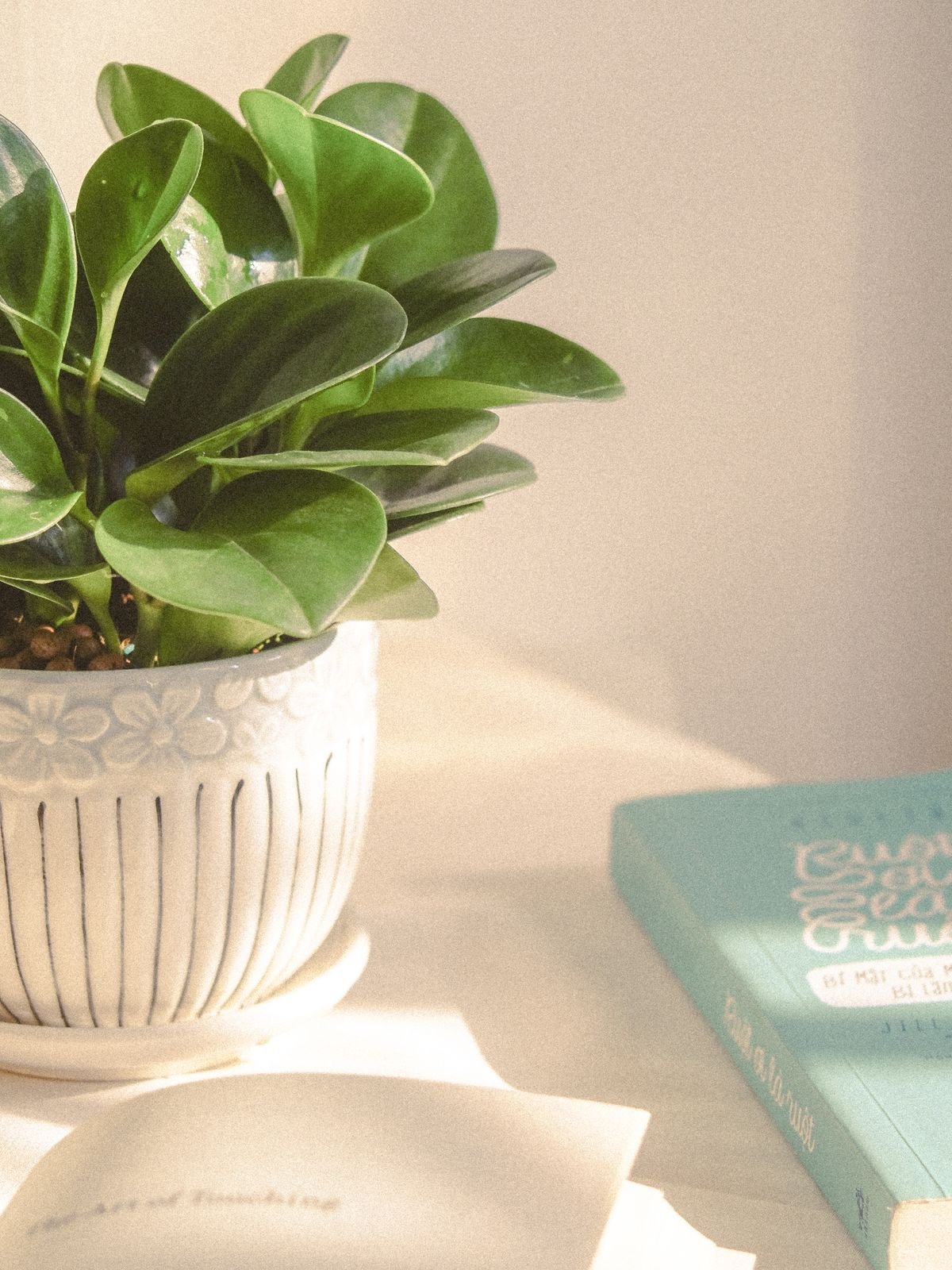
Peperomia in the USA: Best USDA Zones 10b-12
Peperomia obtusifolia is genuinely native to Florida as well as tropical America and the Caribbean, but that native range only covers a narrow strip of the USA — everywhere else, it needs to be treated as a strictly indoor plant with a deliberately engineered light and humidity setup.