Expert Care Guides - Page 7
A comprehensive library of technical diagnostics, styling tips, and botanical science for the Peperomia enthusiast.
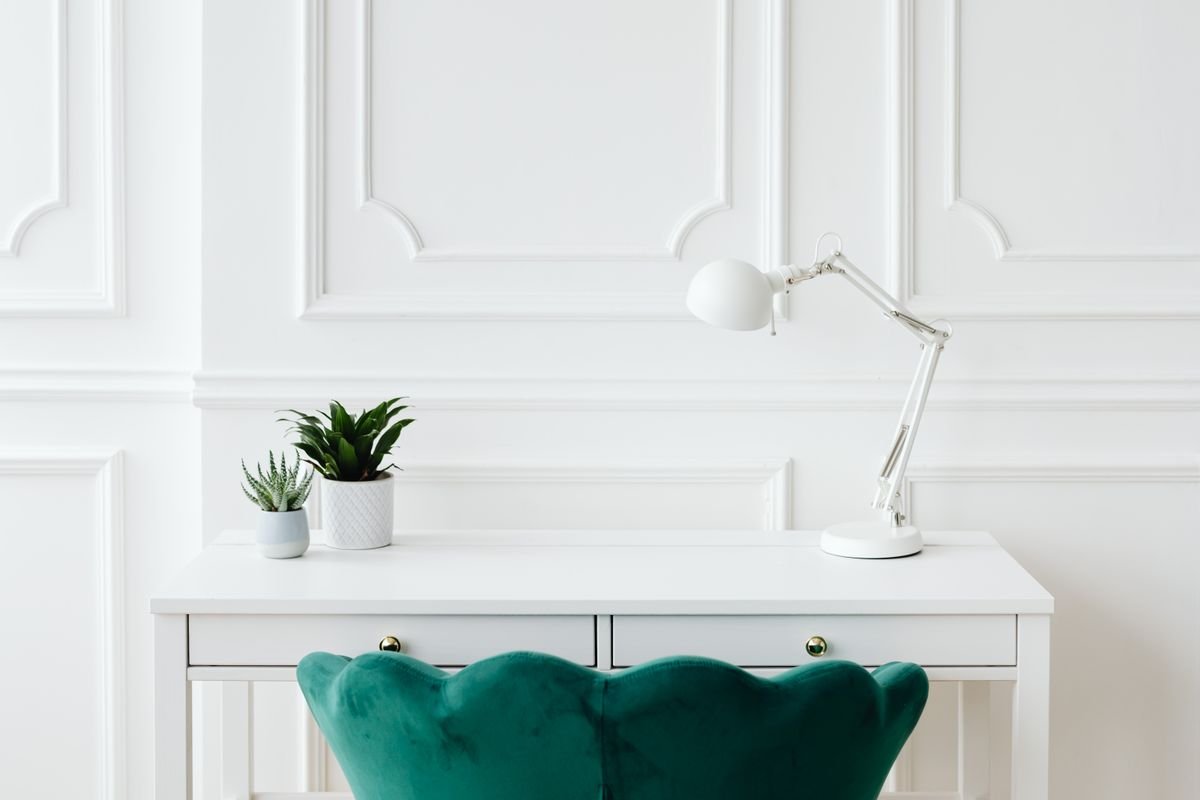
Peperomia Office Lighting: Best PAR & Spectrum Guide
Standard office fluorescent or LED lighting typically measures 300-500 lux at desk height — below the roughly 800 lux tolerated minimum Peperomia obtusifolia needs just to hold steady, which is why most desk specimens survive rather than actively grow unless the light is measured and corrected.
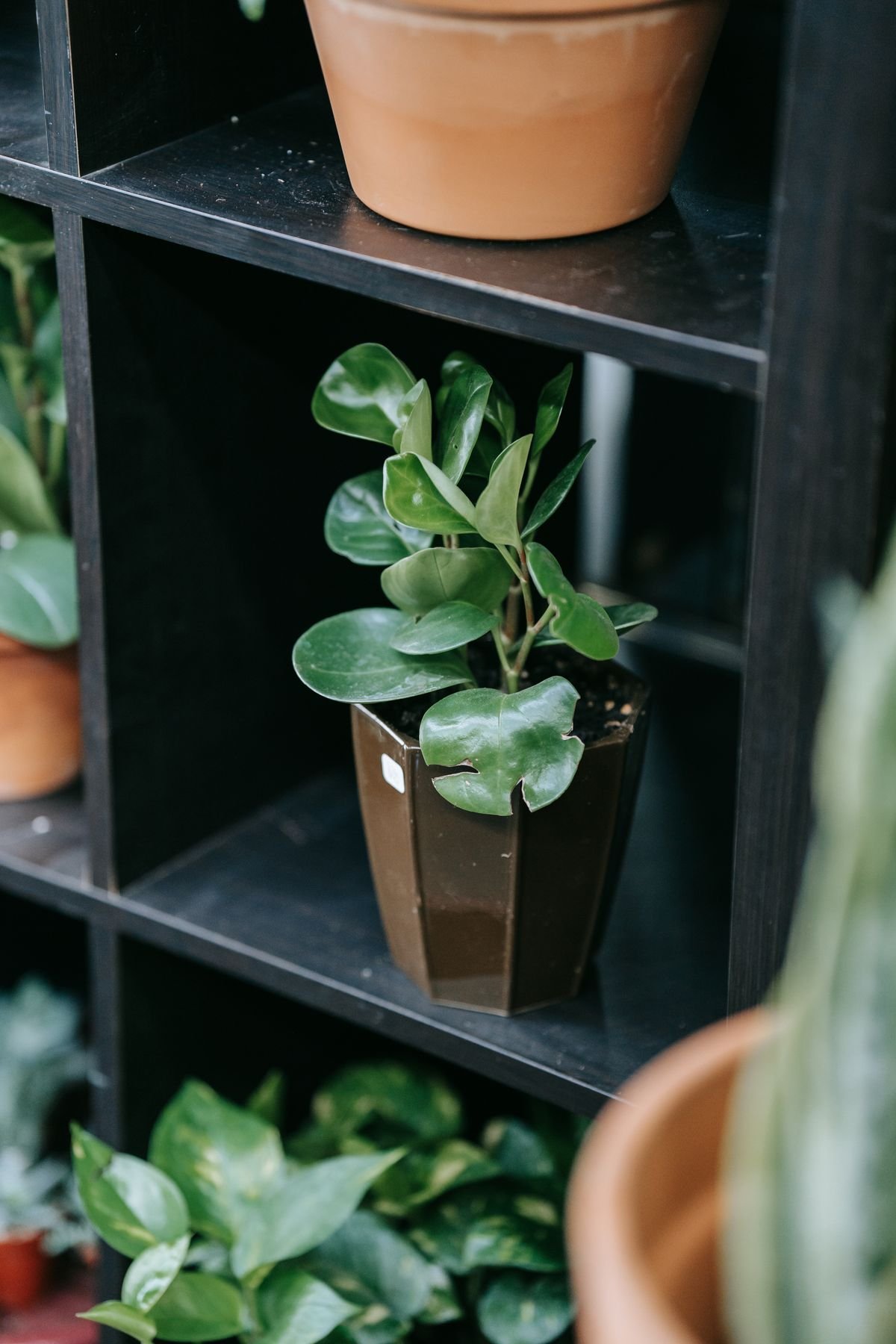
Peperomia Office Plant: Best Low-Light Survivor
Peperomia obtusifolia handles the specific conditions of a typical office better than most popular desk plants — not because it is universally low-maintenance, but because its water-storing leaves and modest light needs happen to match office fluorescent light, dry HVAC air, and irregular weekend watering.
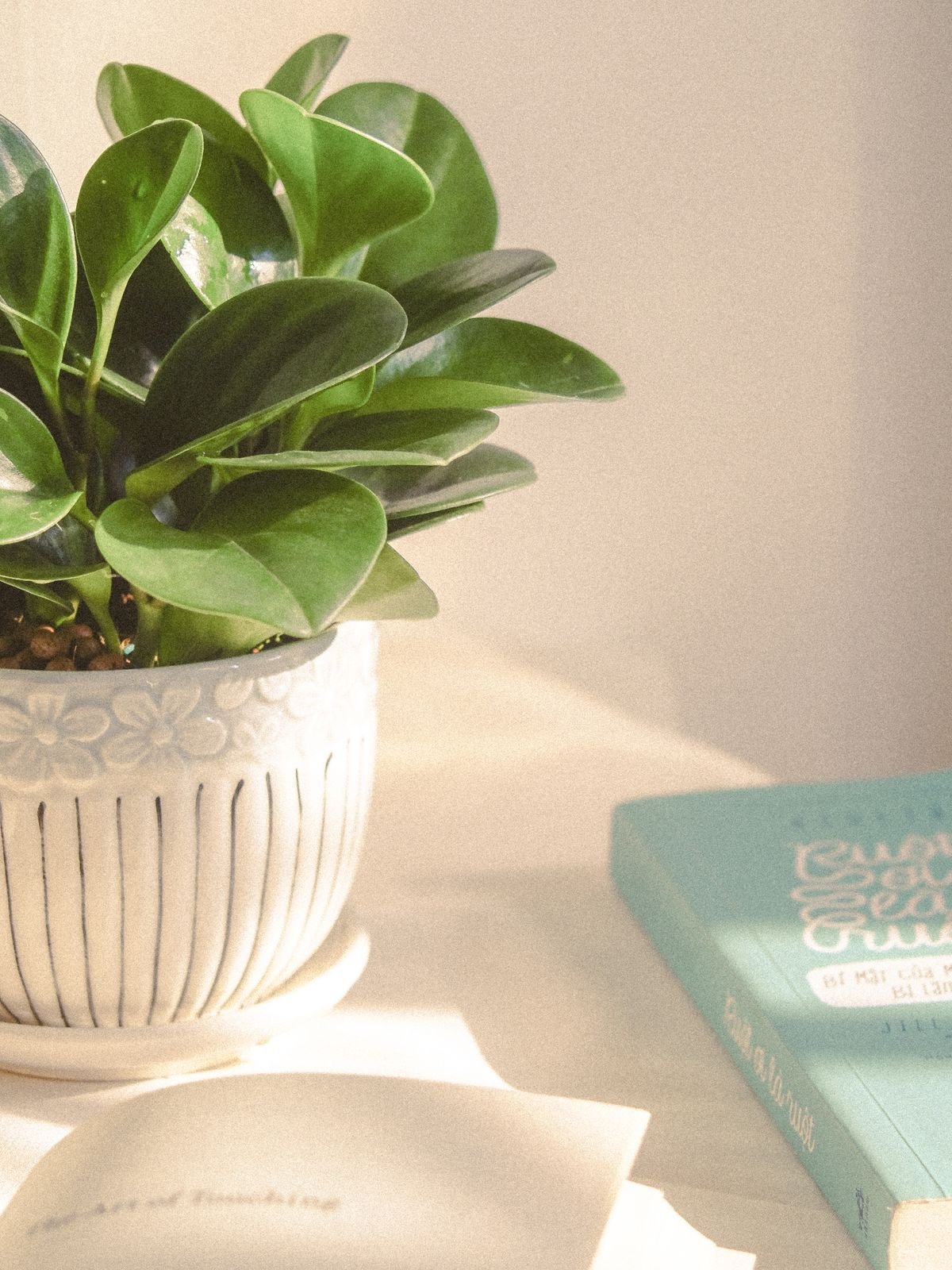
Peperomia Outdoor Summer: Avoid Sunburn & UV Damage
Peperomia obtusifolia can spend summer outdoors and often grows more vigorously there, but only if moved into direct sun gradually — an indoor-grown leaf has a thinner cuticle than an acclimated one and burns easily in unfiltered light.
The Anoxia Rescue: Saving a Waterlogged Peperomia
Overwatering isn't 'too much water'; it's 'too little oxygen.' Discover the science of root anoxia and the 4-step systemic recovery protocol.
Peperomia Obtusifolia Petiole: Why Stems Go Weak
The petiole — the short stalk connecting each Peperomia obtusifolia leaf to the stem — is held rigid by internal water pressure rather than wood, which is why it snaps cleanly rather than bending or tearing.
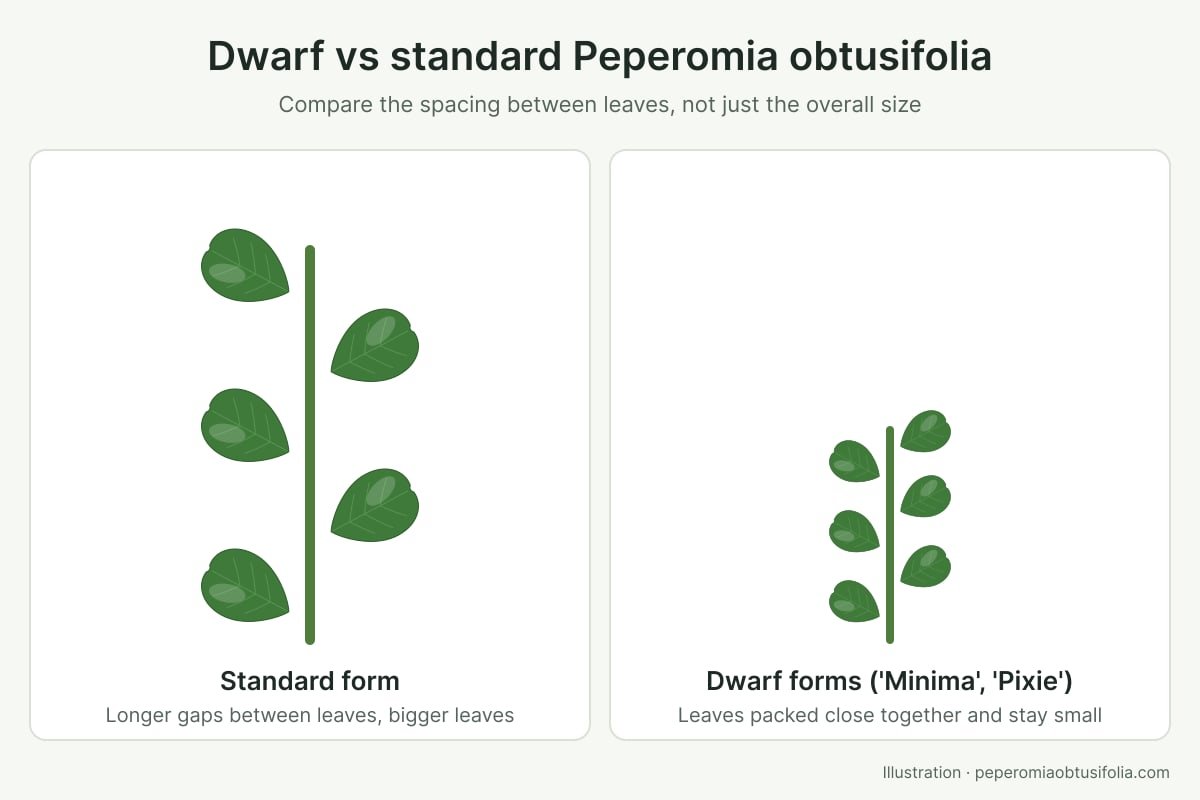
Peperomia Obtusifolia 'Pixie': Best Care & Density
Peperomia obtusifolia 'Pixie' is identified by its naturally compact, densely packed growth habit and shorter internodes rather than any colour or variegation difference — a miniature form of the species that needs the same light as any P. obtusifolia to stay compact, and benefits from bottom-watering specifically because its tightly packed leaves trap standing water more readily than an open-growing specimen.
Peperomia Obtusifolia Pollen & Allergies: Spadix Safety
Peperomia obtusifolia produces a spadix rather than a petalled flower, and the available evidence points to low airborne-pollen risk — though no clinical allergy study specific to this species confirms it as hypoallergenic.
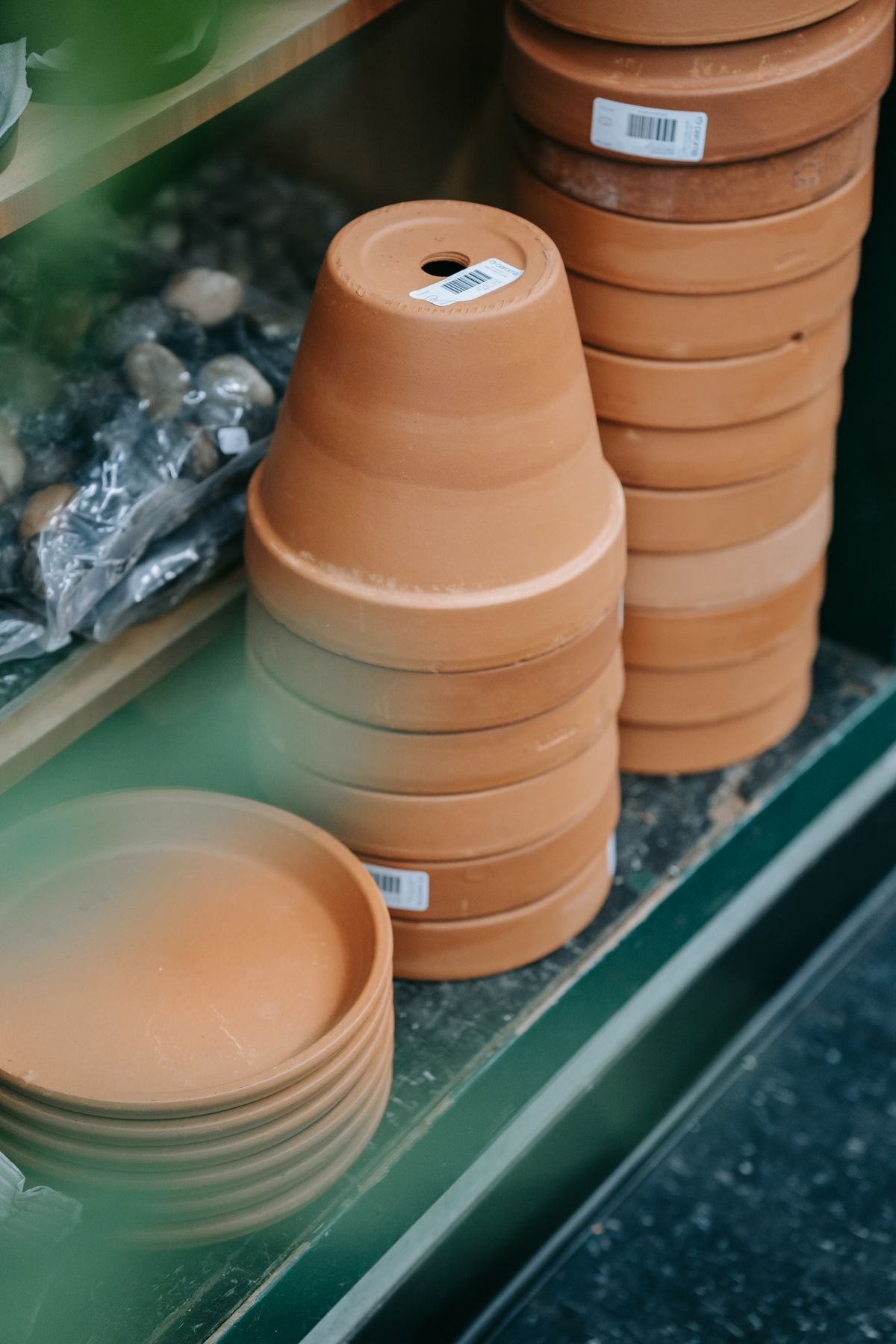
Best Pot Size for Peperomia: Avoid Root Rot
A larger pot is not a more generous home for Peperomia obtusifolia — it is a bigger volume of substrate that a small, shallow root system cannot draw down fast enough, and that mismatch is the proximal cause of most container-grown root rot in this species.
Peperomia Problems: Symptoms, Causes and Fixes
Most Peperomia obtusifolia problems trace back to one of three levers — substrate moisture, light level, or airflow — misread as a pest or disease. This guide is a symptom-to-cause index: a full diagnostic table, the abiotic-vs-biotic distinction that narrows most cases fast, and links through to the site's deep-dive guide for whichever specific problem matches.
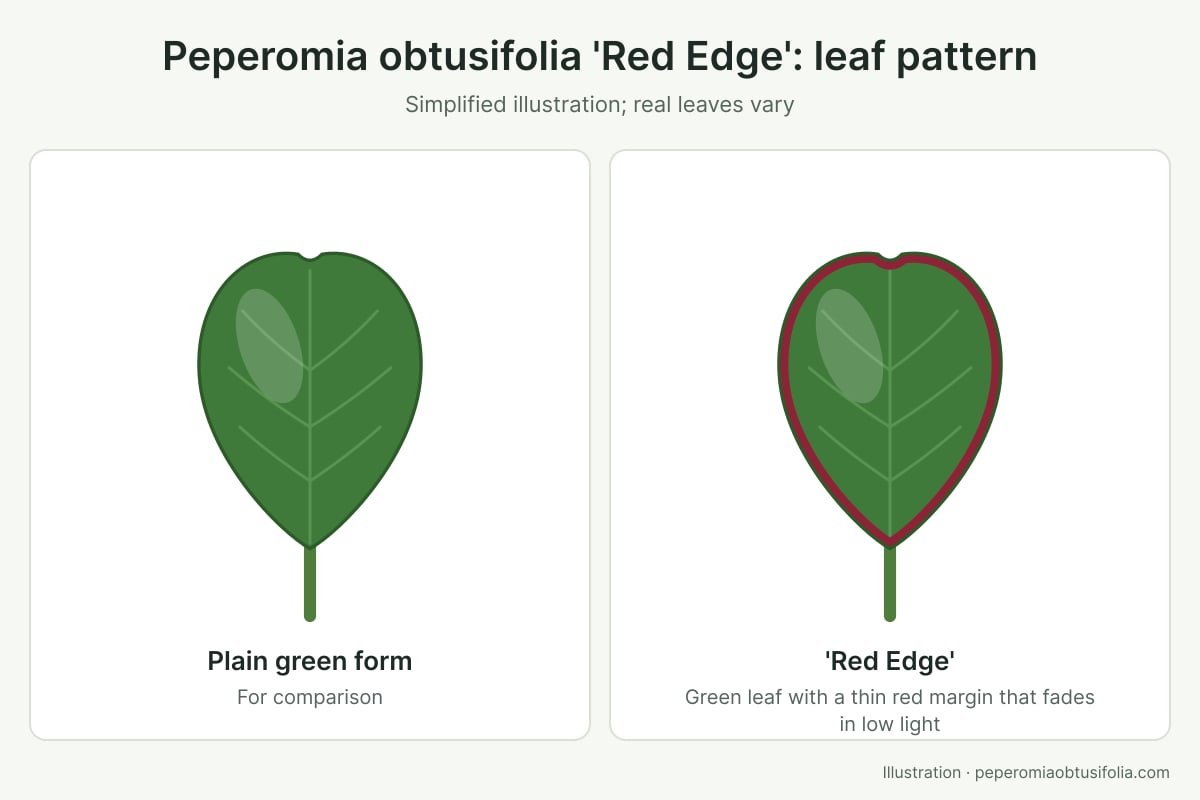
Peperomia Obtusifolia 'Red Edge': Best Light & Pigment
Peperomia obtusifolia Red Edge margins fading toward plain green almost always trace back to insufficient light, since the anthocyanin pigment responsible for the red colouring is produced in direct response to light intensity rather than being a fixed, permanent trait of the cultivar.
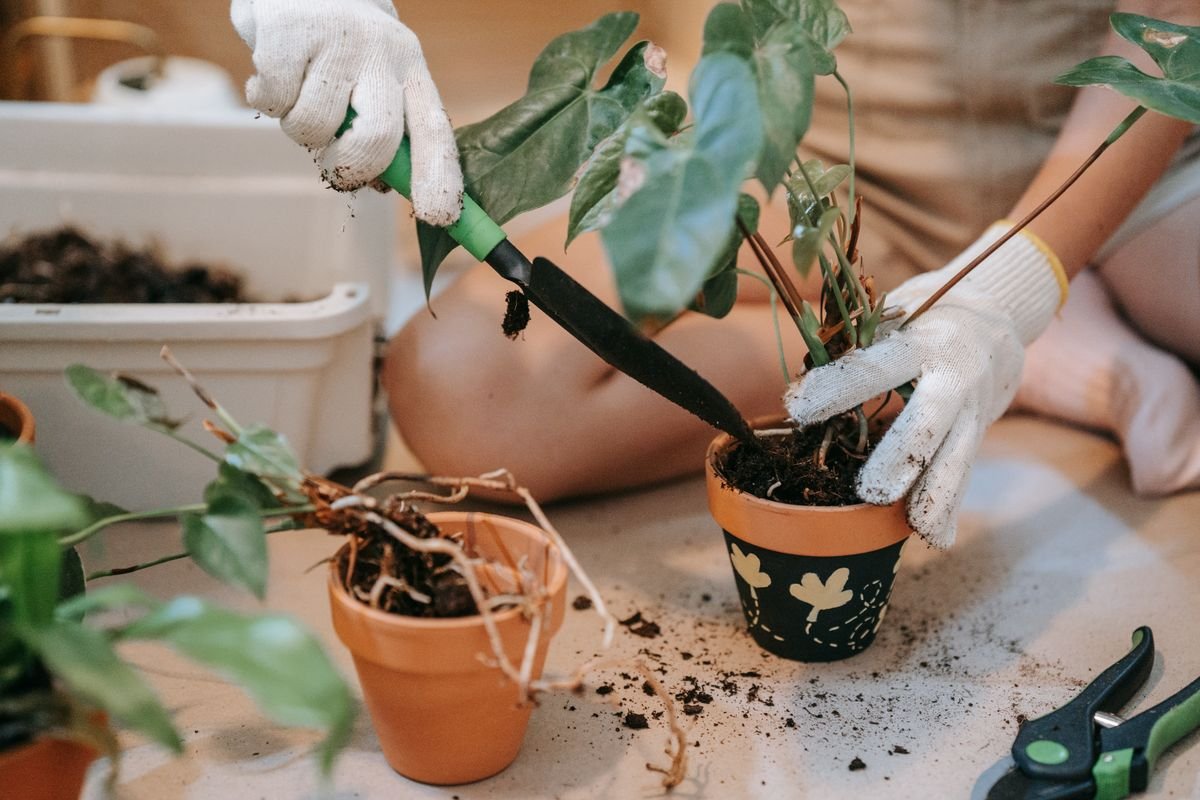
How to Repot Peperomia Without Root Damage
Repotting damages the microscopic root hairs that do almost all of a Peperomia's water absorption. This guide covers why that causes wilting, and the exact protocol — pre-hydration, substrate choice, pot size, and aftercare — that keeps the disruption to days rather than weeks.
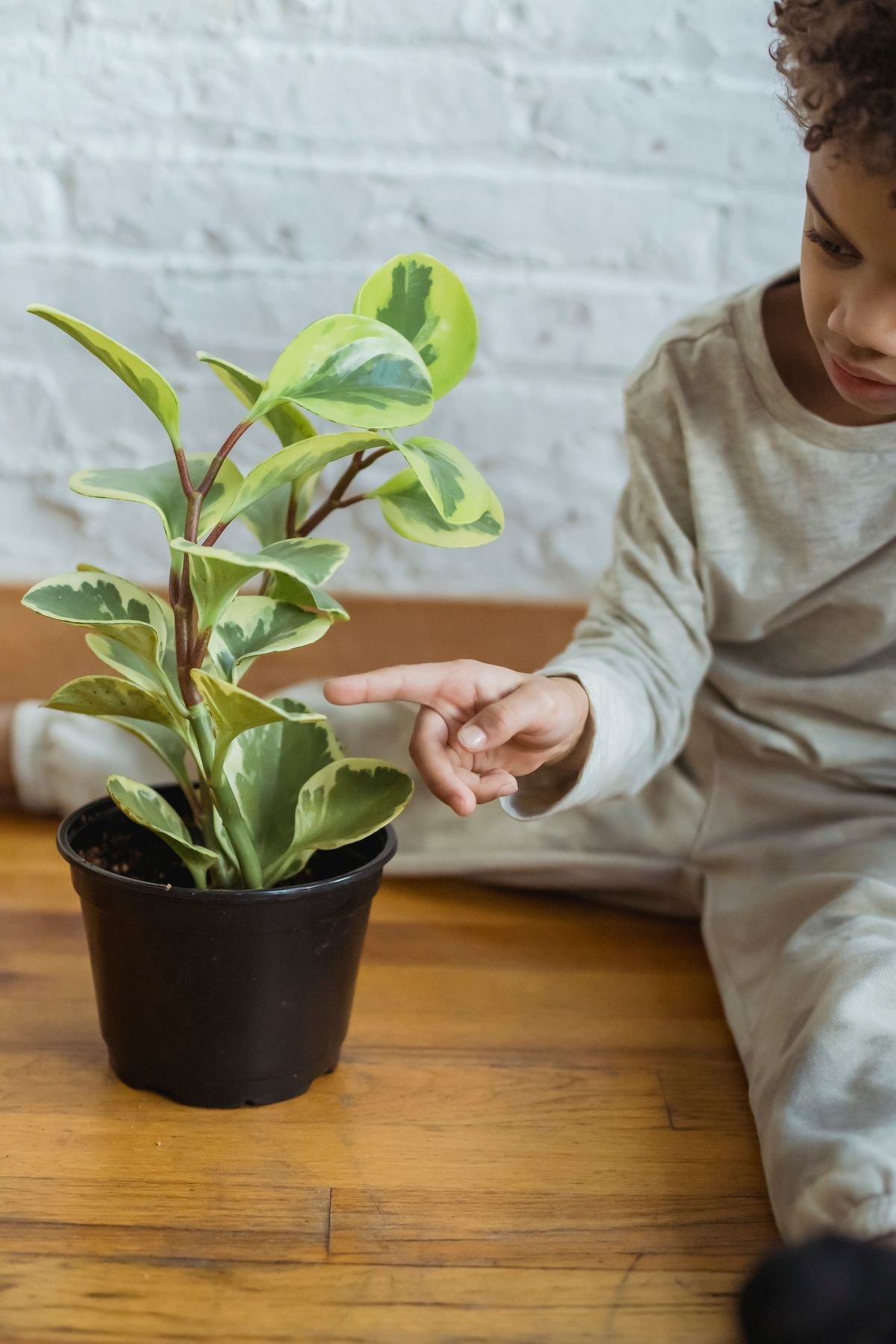
Peperomia Reversion: Why Variegation Fails & the Fix
Reversion — variegated Peperomia obtusifolia producing solid-green new growth — is a light-driven response, not disease or damage: the plant is favouring the faster-growing, fully chlorophyll-producing cell layer in its meristem over the pattern-carrying one, usually because available light no longer supports the cost of maintaining non-green tissue.