Expert Care Guides - Page 6
A comprehensive library of technical diagnostics, styling tips, and botanical science for the Peperomia enthusiast.
Peperomia Obtusifolia Indoors vs Outdoors: Safe Moves
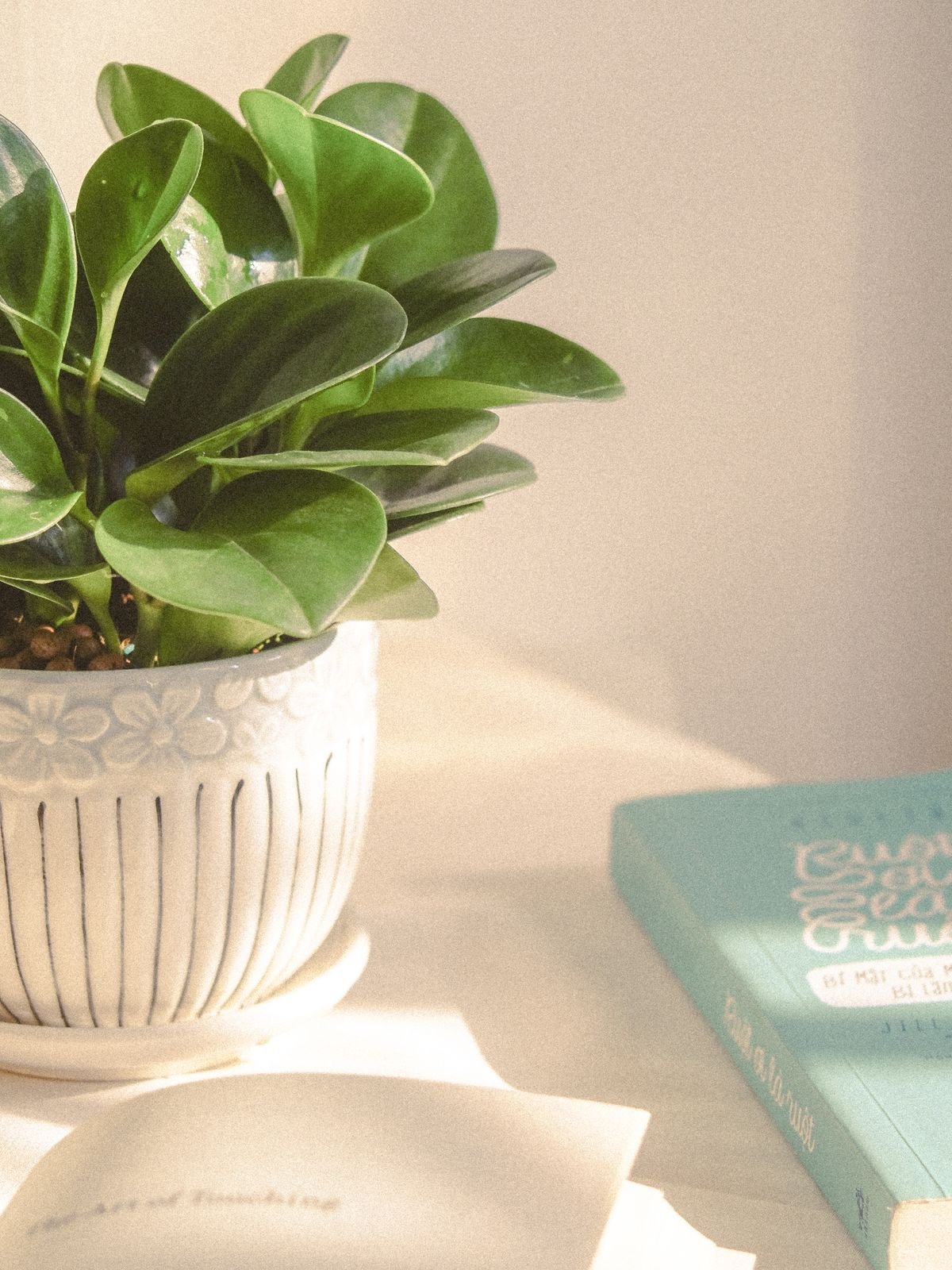
Peperomia obtusifolia is not a tender houseplant that merely tolerates being indoors — it can genuinely thrive outdoors for a season, but only USDA zones 10-12 support it outdoors year-round, and the transition between the two settings carries real risk if rushed.
Peperomia Obtusifolia Jade: Best Low-Light Cultivar
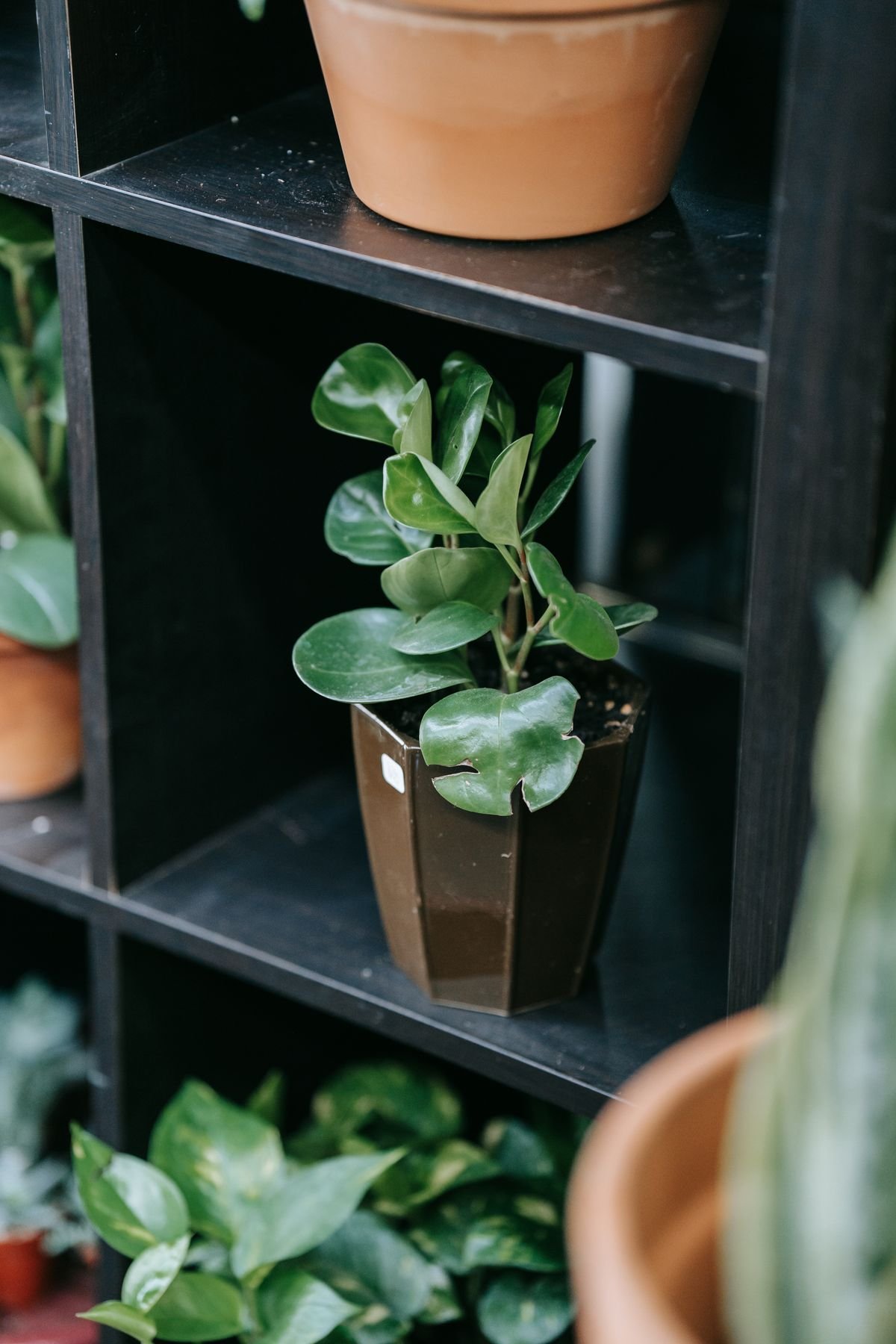
Peperomia obtusifolia 'Jade' is the trade name used for the plain solid-green form of the species — not a distinct botanical variety and not the unrelated Crassula ovata sold under the common name 'Jade Plant' — valued because its uniform chlorophyll gives it the best low-light tolerance of any form in the species.
Peperomia Leaf Anatomy: Why Succulence Prevents Rot
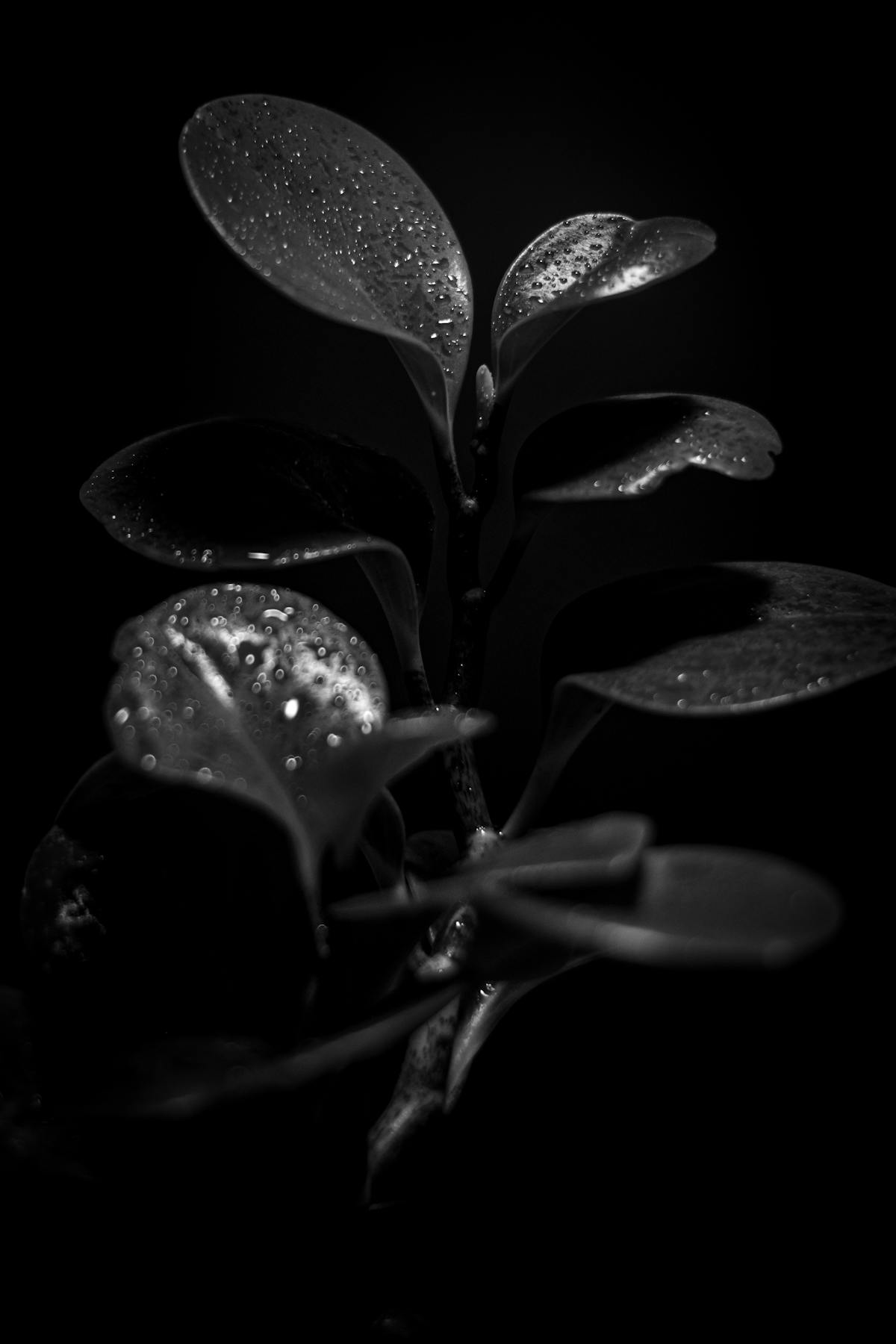
The rubbery, water-filled feel of a Peperomia obtusifolia leaf comes from water-storage parenchyma beneath a thick, waxy cuticle — a combination that lets the plant tolerate long gaps between waterings, and the same cuticle is why the leaf's signature gloss is a genuine light-reflecting and water-repelling structure, not just an aesthetic feature.
Peperomia Leaf Propagation: Best Method & Why It Fails
Peperomia obtusifolia leaf propagation works because cells at the petiole base can revert to a meristematic state and regenerate an entire new plant, but it is slower and less reliable than a stem cutting, and almost always fails to preserve variegation.
Move Peperomia from Soil to LECA Safely
Moving a soil-grown Peperomia obtusifolia into LECA is not a routine repotting — the plant has to shed roots built for soil and grow a new water-adapted root system over several weeks, and the single most common failure is leftover soil left on the roots decomposing in the reservoir.
Peperomia Lemon Lime Care: Light, Water and Colour
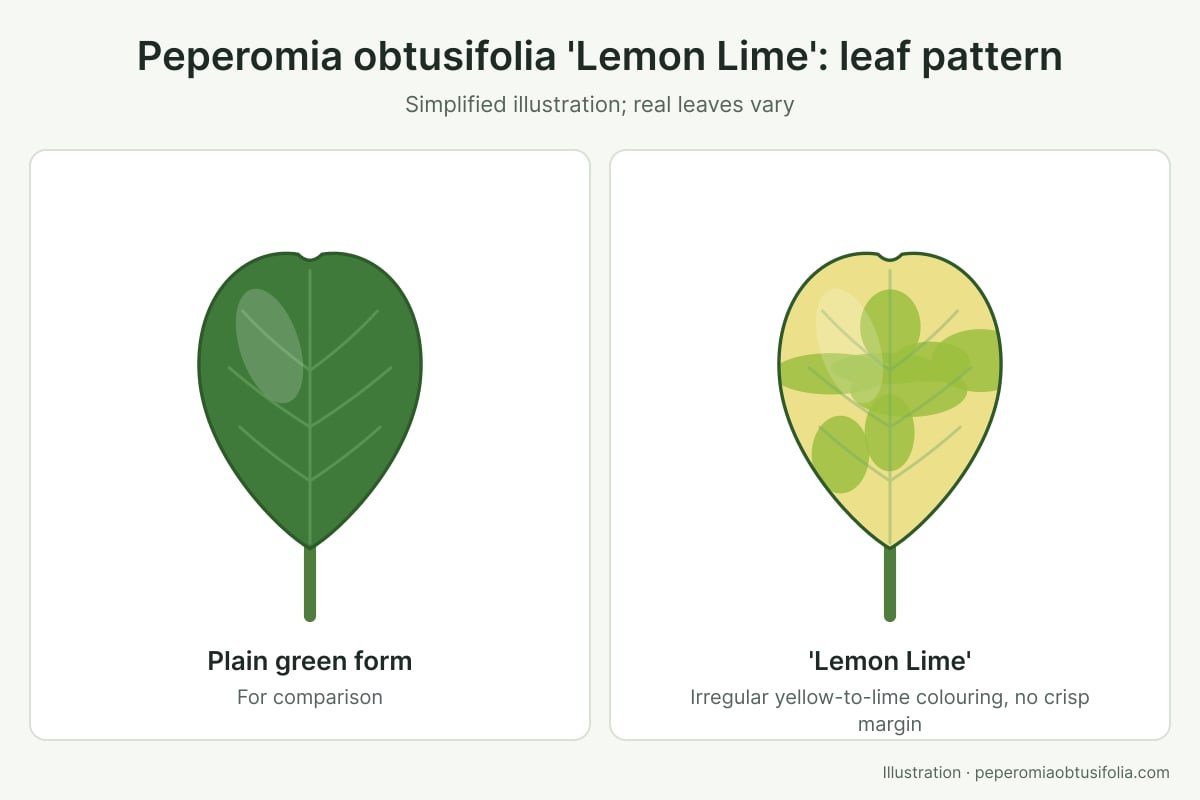
'Lemon Lime' is a yellow-green variegated trade name for Peperomia obtusifolia, not a formally trialled cultivar, and its colour depends on light in a way the plain green form does not.
Peperomia Obtusifolia Lifespan: How to Avoid Decline
Peperomia obtusifolia has no fixed biological expiry date, but most indoor specimens still decline well before their potential, and almost always for the same environmental reasons rather than simple old age.
Peperomia Light Requirements: Window and Grow Light
Peperomia obtusifolia light requirements come down to one measurable target: 2,000–4,000 lux at the leaf, for 12–14 hours a day. This guide covers the photon-flux mechanism behind that number, how to test whether a spot already meets it, and the decision between adjusting window placement and adding a grow light — with the compass-direction and equipment specifics handed off to their own guides.
Peperomia Obtusifolia 'Marble': Best Variegation Care
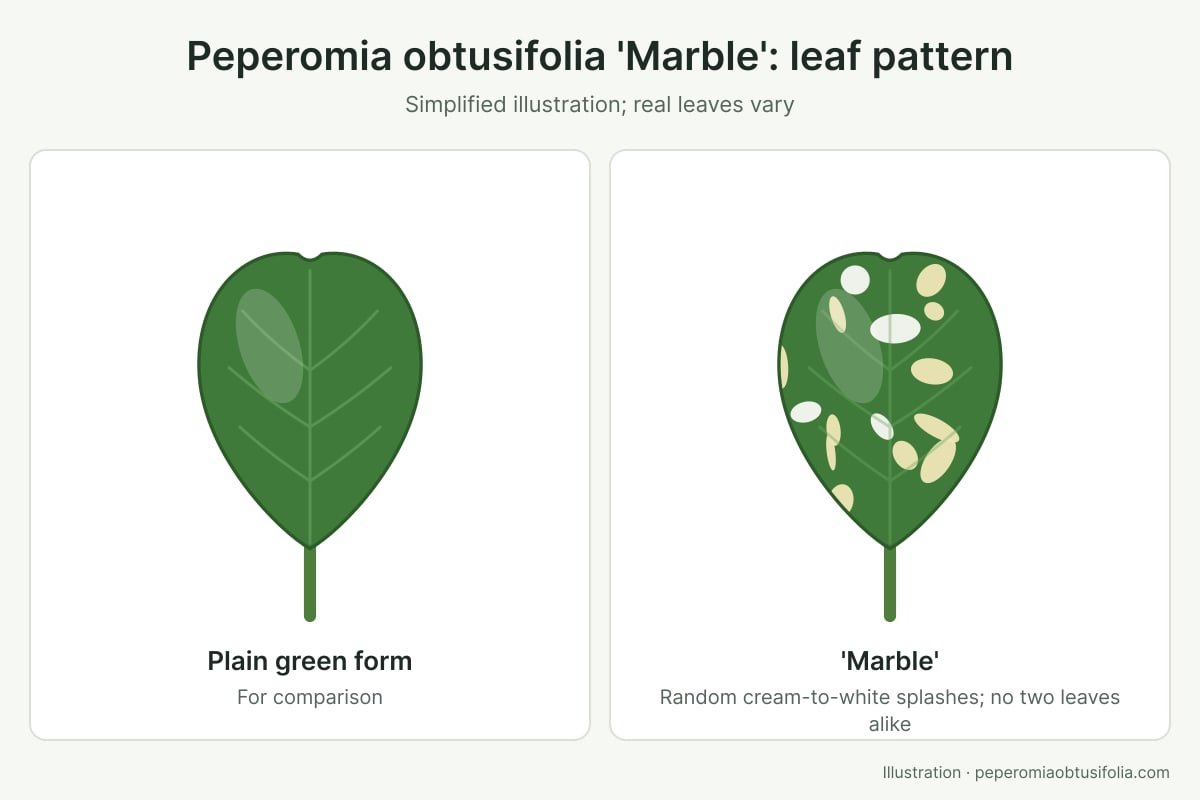
Peperomia obtusifolia 'Marble' is identified by an irregular, splashed pattern of cream-to-white and green on every leaf, with no two leaves alike — a chimeric pattern that carries a real energy cost from its chlorophyll-free tissue, which is why it needs more light than most cultivars and reverts to green readily if that light isn't provided.
Peperomia Minima Care: Best Dwarf Genetics & Watering
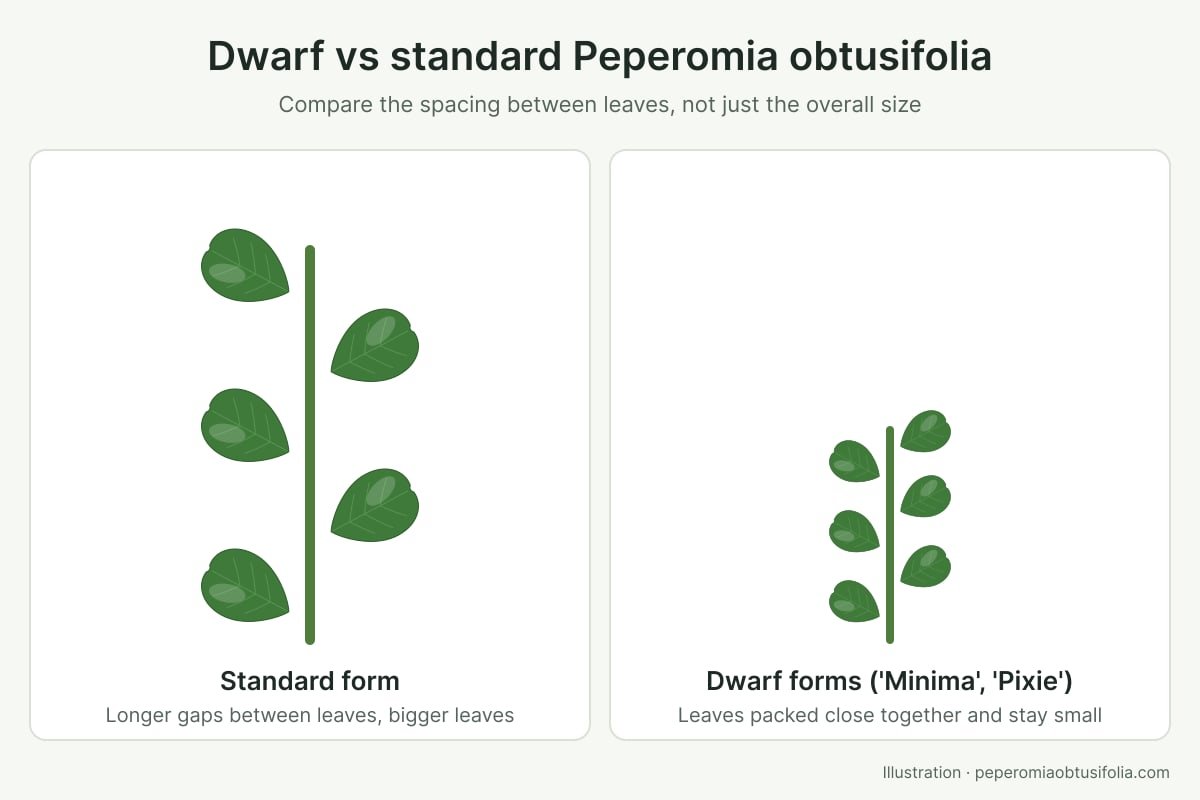
Peperomia obtusifolia 'Minima' is identified by its permanently compressed internodes and thumbnail-sized leaves — a genuine dwarf growth habit, not a juvenile stage — whose small root system makes pot sizing and watering volume the two details most likely to go wrong.
Peperomia Obtusifolia Moss Poles: Best Support & Size
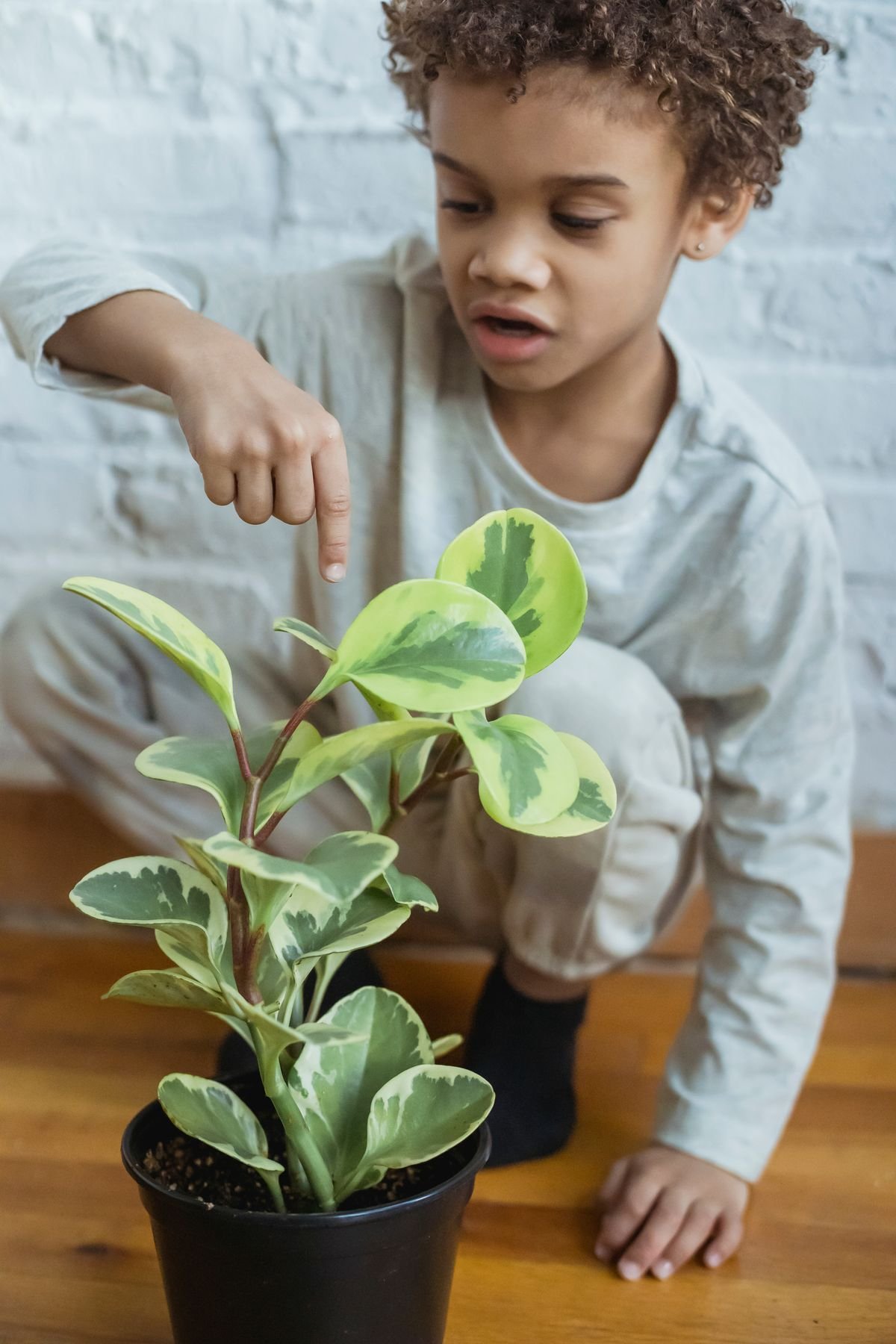
A moss pole gives a mature, top-heavy Peperomia obtusifolia the vertical support its water-filled stems cannot provide alone, and the damp surface gives aerial roots something to anchor into — a genuine mechanical and biological benefit, though the often-repeated claim that climbing produces dramatically larger leaves is not established for this species specifically.
Peperomia Obtusifolia Node Propagation: Best Cut Point
Peperomia obtusifolia node propagation works because the node — the joint where a leaf meets the stem — holds the meristematic tissue capable of forming new roots, while the smooth internode between joints almost never roots on its own.