
Expert Care Guides - Page 9
A comprehensive library of technical diagnostics, styling tips, and botanical science for the Peperomia enthusiast.
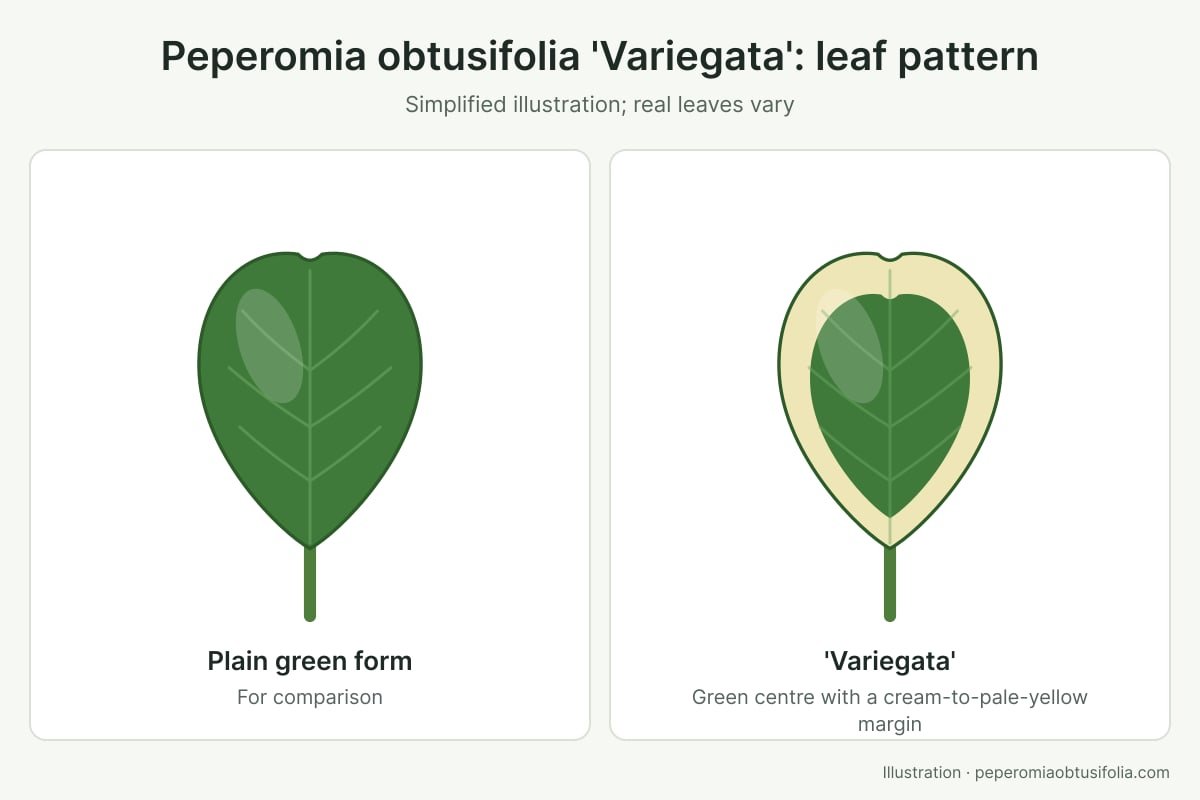
Peperomia Obtusifolia 'Variegata': Best Care & Chimeras
Peperomia obtusifolia 'Variegata' is identified by a green centre with a cream-to-yellow margin — a periclinal chimera where the outer cell layer lacks chlorophyll, which is why this cultivar needs meaningfully more light than the plain green form and reverts readily to solid green under insufficient light.
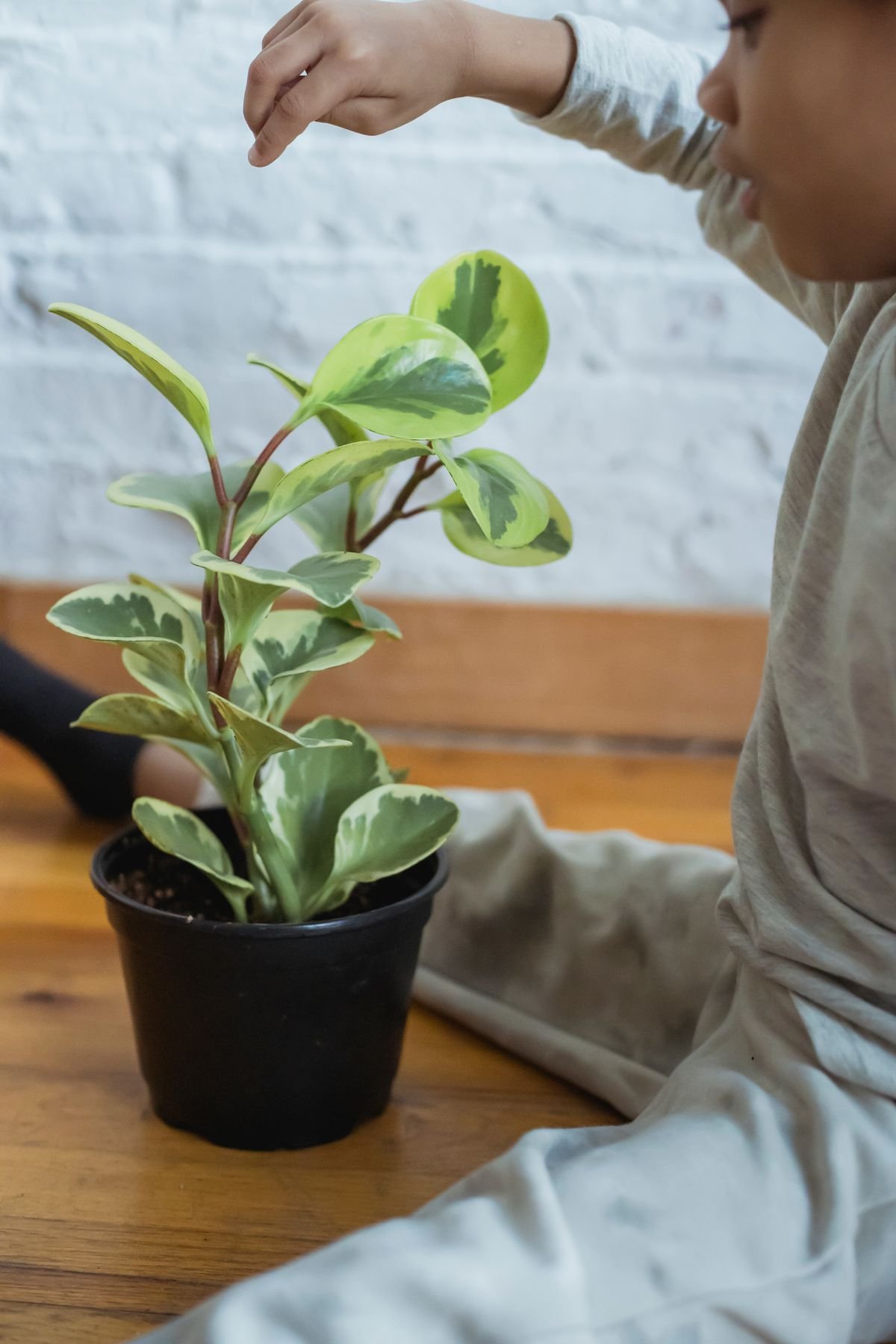
Peperomia Variegation Light: Avoid Reversion
Variegated Peperomia obtusifolia cultivars need brighter light than the plain green form because their white tissue produces no energy of its own, and getting that light diffused rather than direct is what keeps the cream sections from scorching.
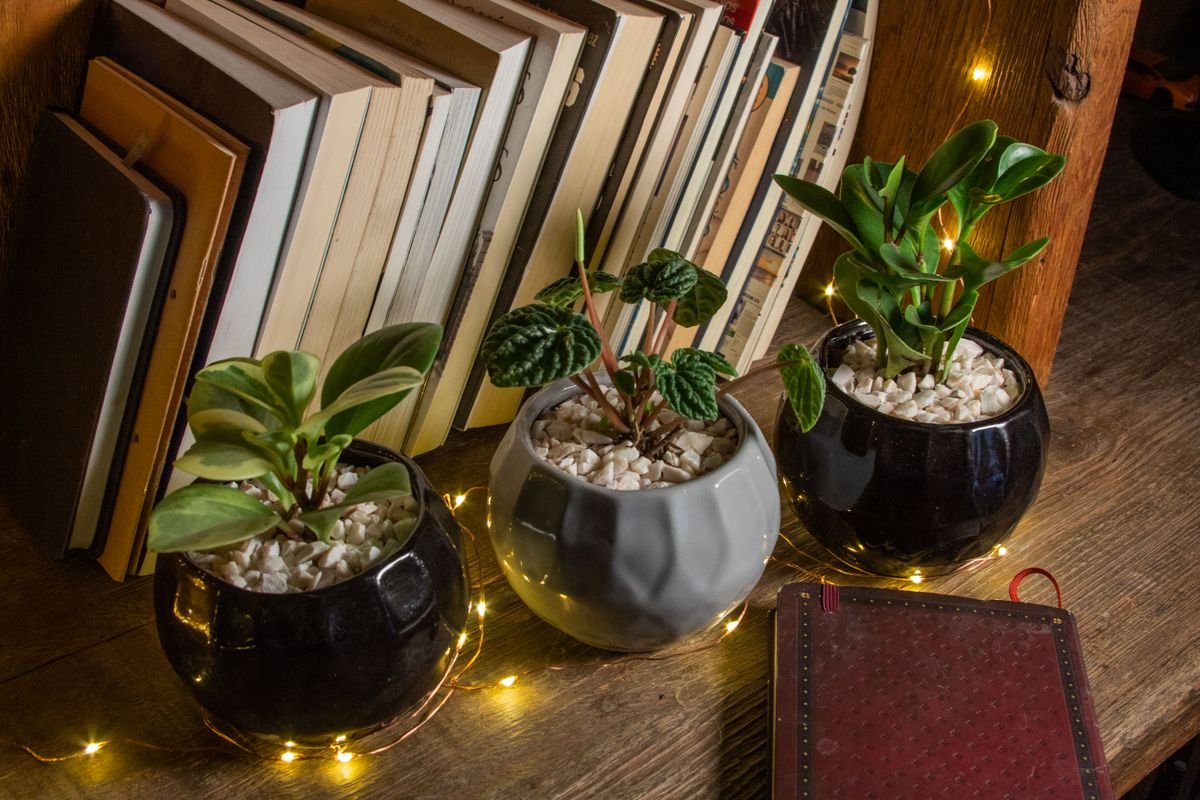
Morphological Diversification: The Varieties of Peperomia
From 'Marble' to 'Red Edge', the Peperomia genus is a masterpiece of diversity. Discover the science of morphological diversification and how to identify the top cultivars.
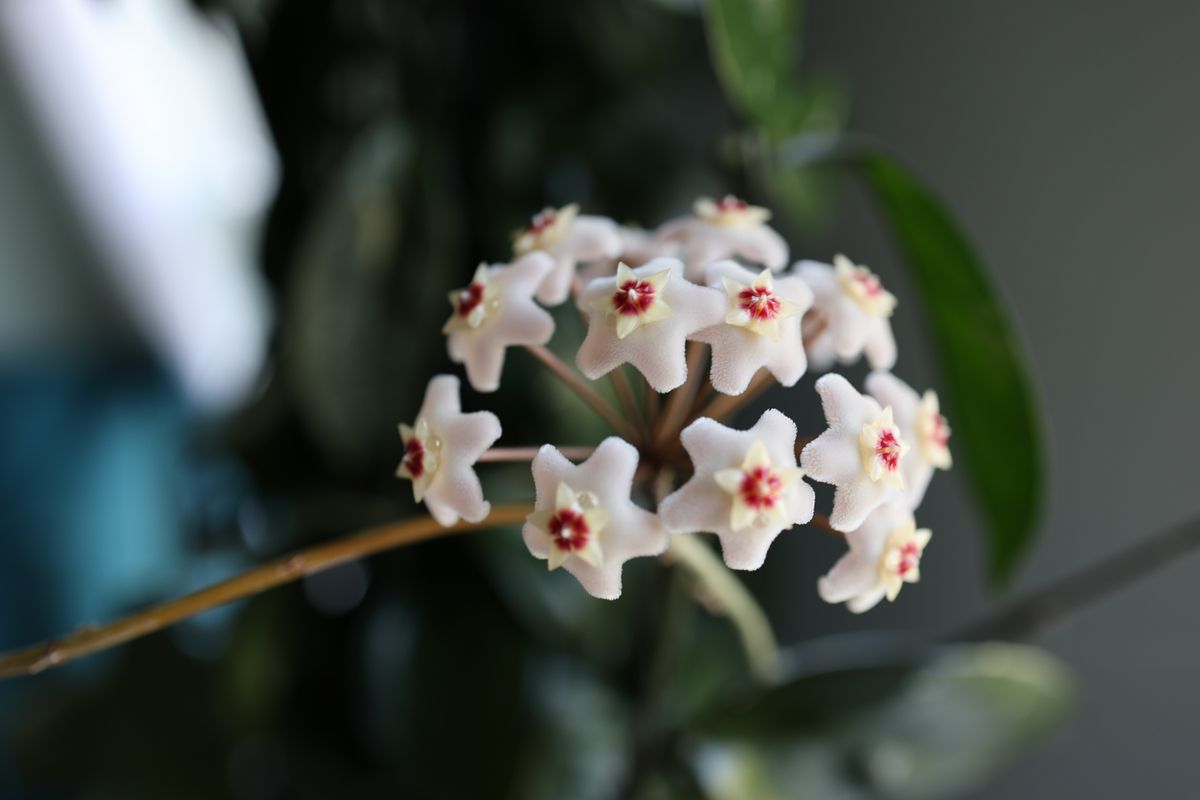
Peperomia vs Hoya: Care, Growth and Key Differences
Peperomia obtusifolia and Hoya are routinely grouped as interchangeable waxy-leaved windowsill plants. They are unrelated species with different growth habits, light ceilings, and flowering demands, and the overlap in their care is real but partial.
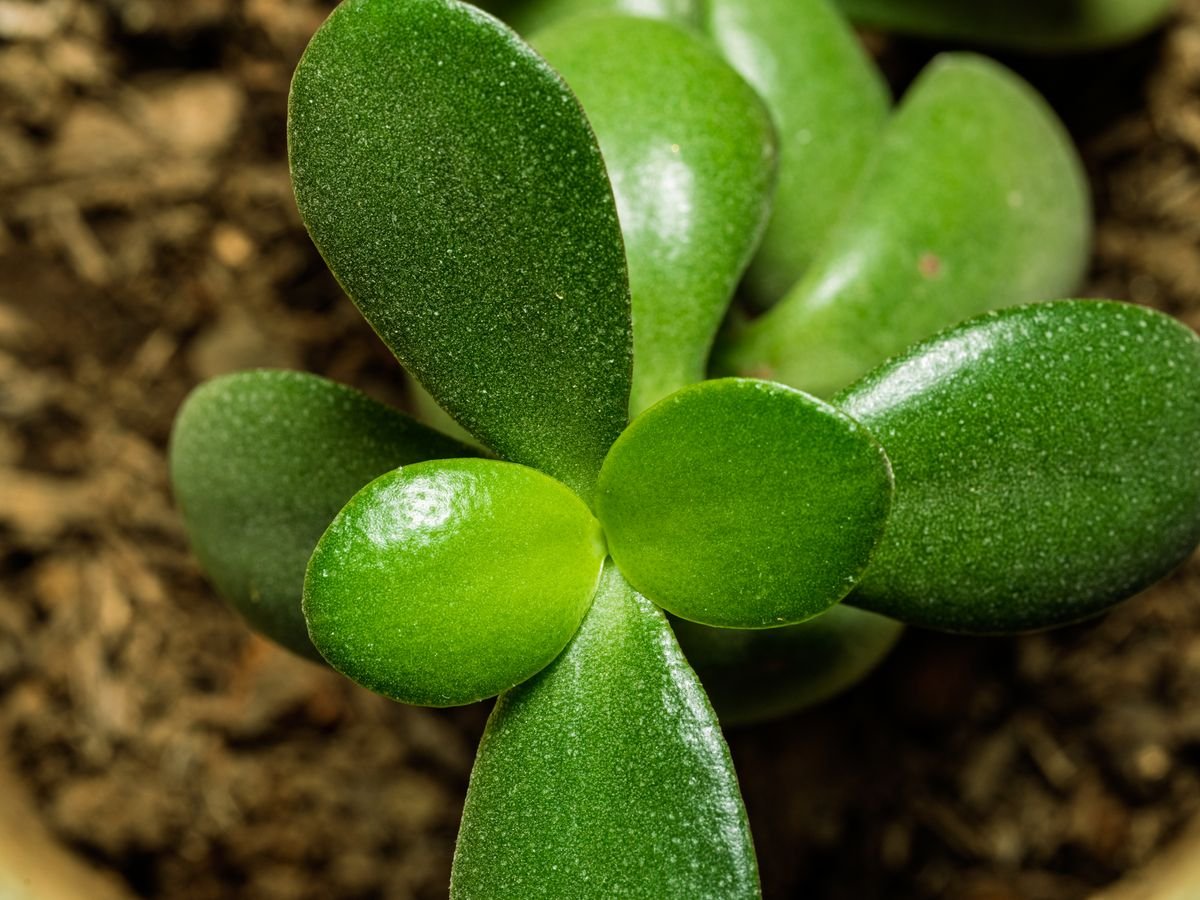
Peperomia vs Jade Plant (Crassula): Best Care Compared
Peperomia obtusifolia and Crassula ovata (Jade Plant) share a thick, glossy-leaved look that leads to frequent mix-ups at the point of sale, but the two run on genuinely different metabolisms and light budgets, and one is pet-safe while the other is not.
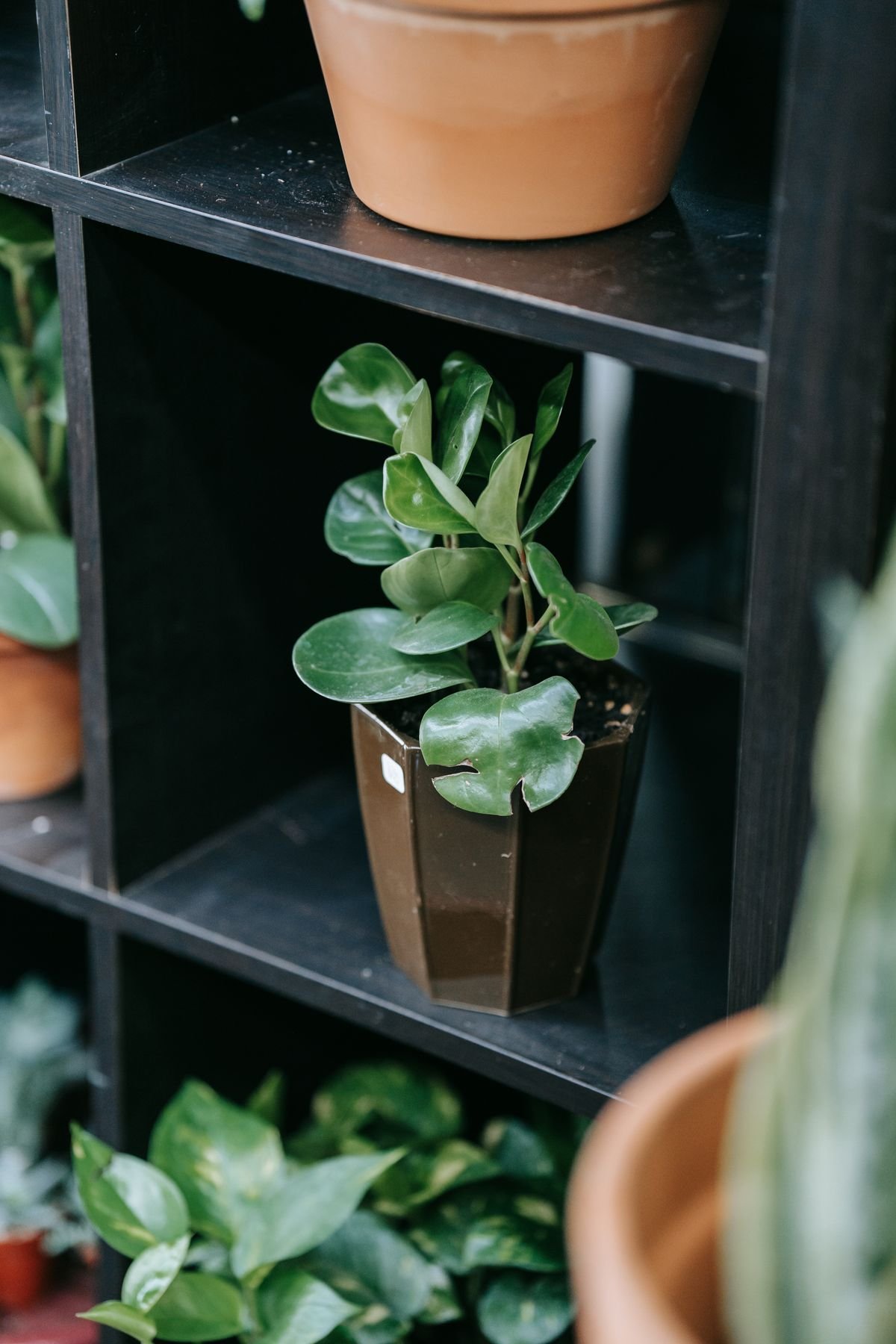
Peperomia vs Magnoliifolia: A Safe ID Comparison
Peperomia obtusifolia and Peperomia magnoliifolia are close relatives so often confused that some early botanists treated them as the same species. Leaf texture and venation, not size, are what actually separate them.
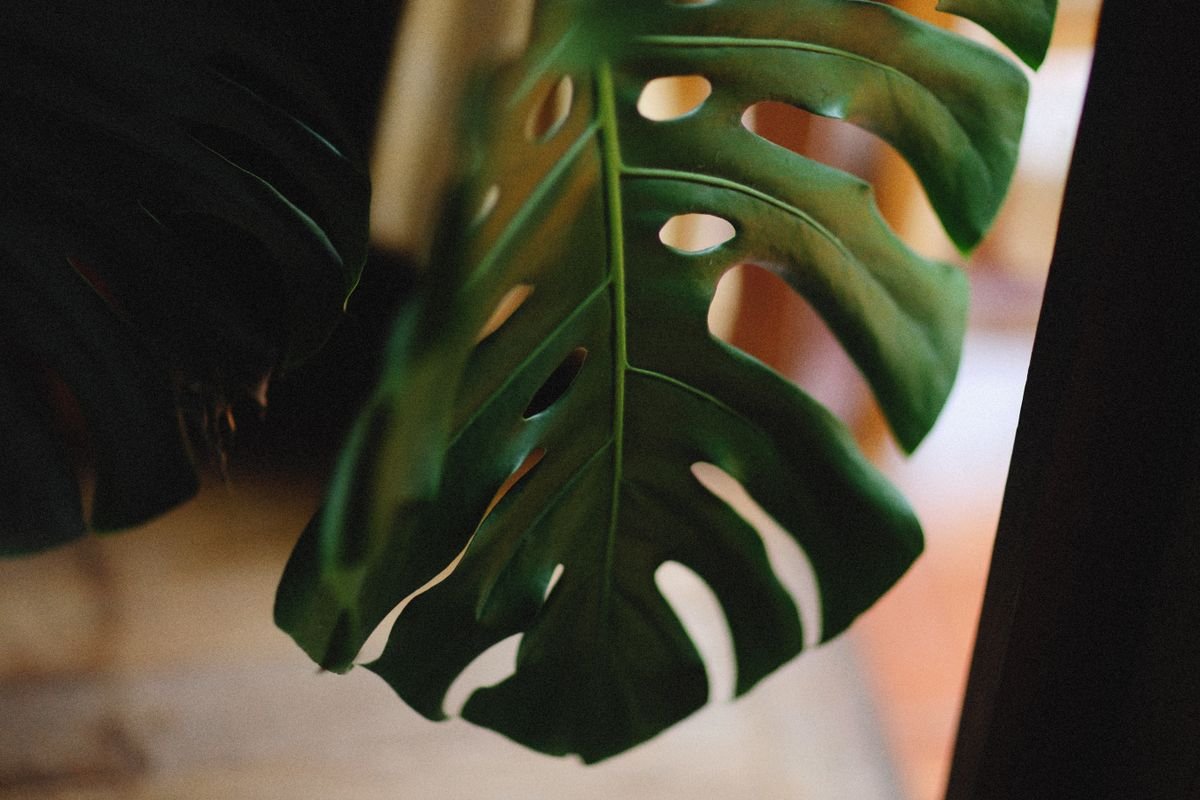
Peperomia vs Monstera: Best Care & Structural Problems
Peperomia obtusifolia and Monstera deliciosa solve the same problem — surviving as a tropical understorey or climbing plant — with opposite leaf strategies, opposite support needs, and very different pet safety profiles.
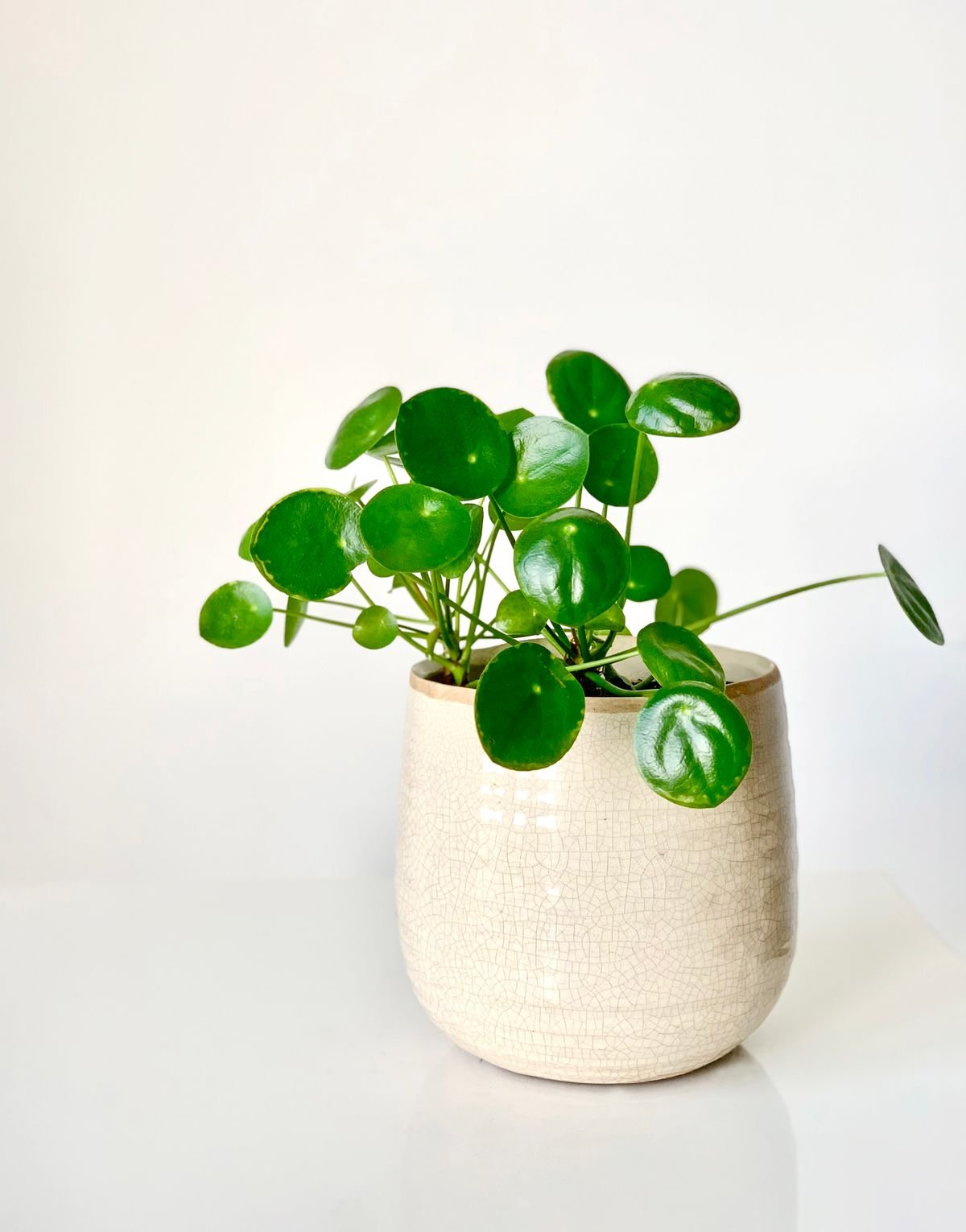
Peperomia vs Pilea: Best Care & Phyllotaxy Compared
Peperomia obtusifolia and Pilea peperomioides are often confused for their shared round, glossy leaves, but they belong to entirely different plant families with different leaf-attachment structure, different watering needs, and different propagation methods — the resemblance is convergent, not related.
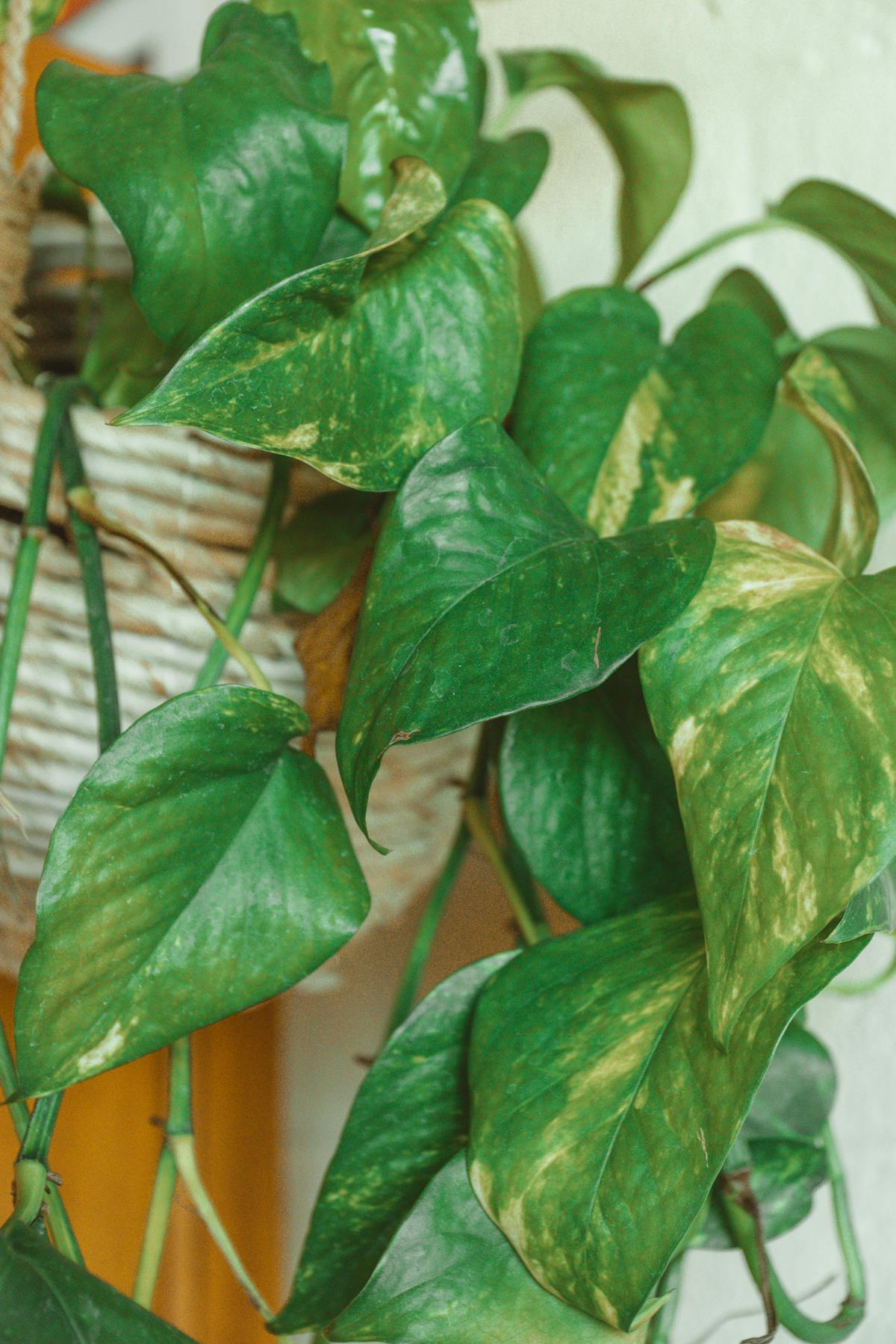
Peperomia vs Pothos: Toxicity & Care Compared
Peperomia obtusifolia and Pothos are routinely sold side-by-side as easy beginner plants, but they have inverted toxicity profiles: Pothos contains calcium-oxalate raphides that the ASPCA lists as toxic to cats and dogs, while Peperomia obtusifolia is ASPCA non-toxic — a distinction that matters more than any care similarity for a household with chewing pets.
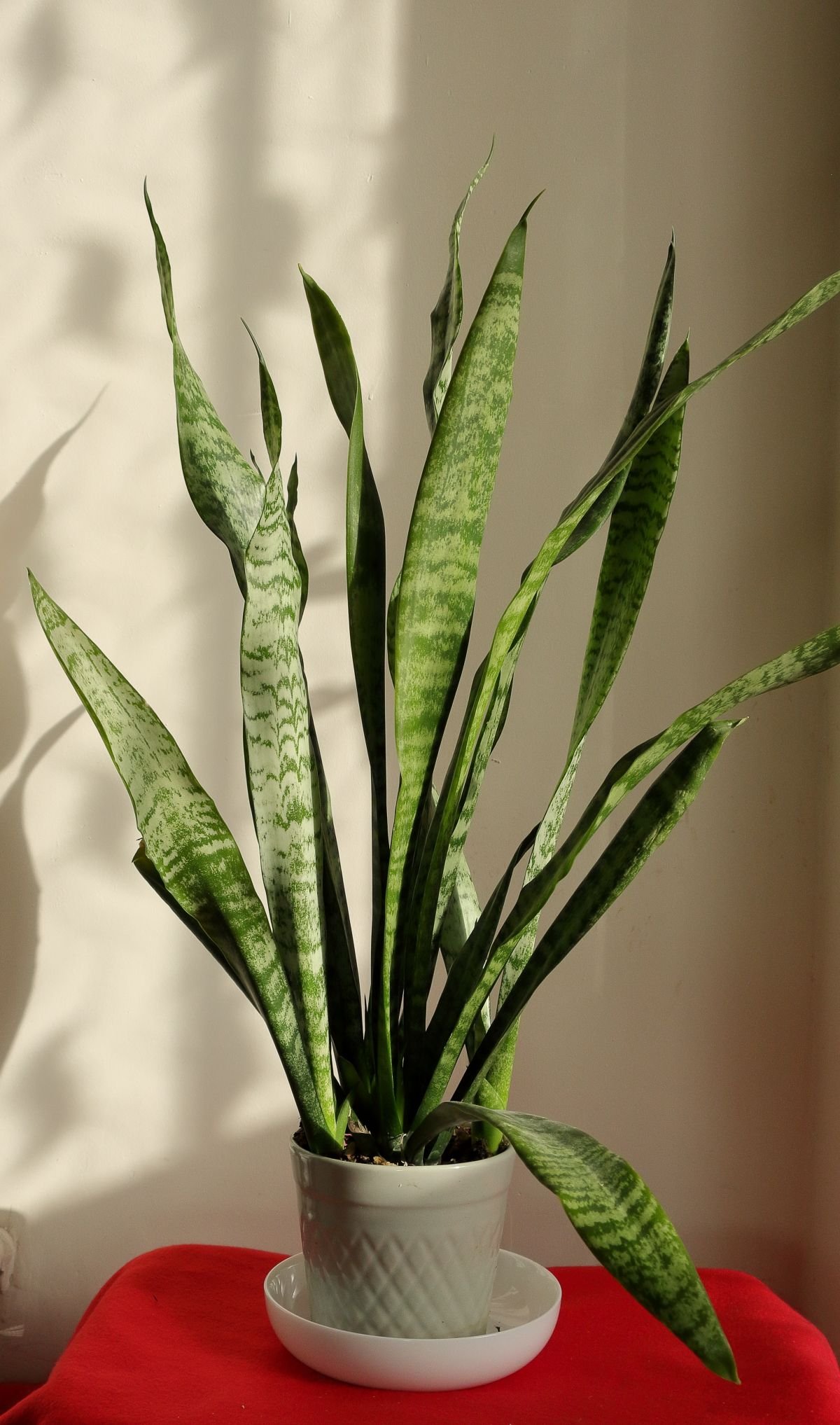
Peperomia vs Snake Plant: Best CAM Care Compared
Peperomia obtusifolia and snake plant are both marketed as indestructible, but one holds itself upright with fibrous structural tissue and the other with water pressure — and only one of them is safe around pets.
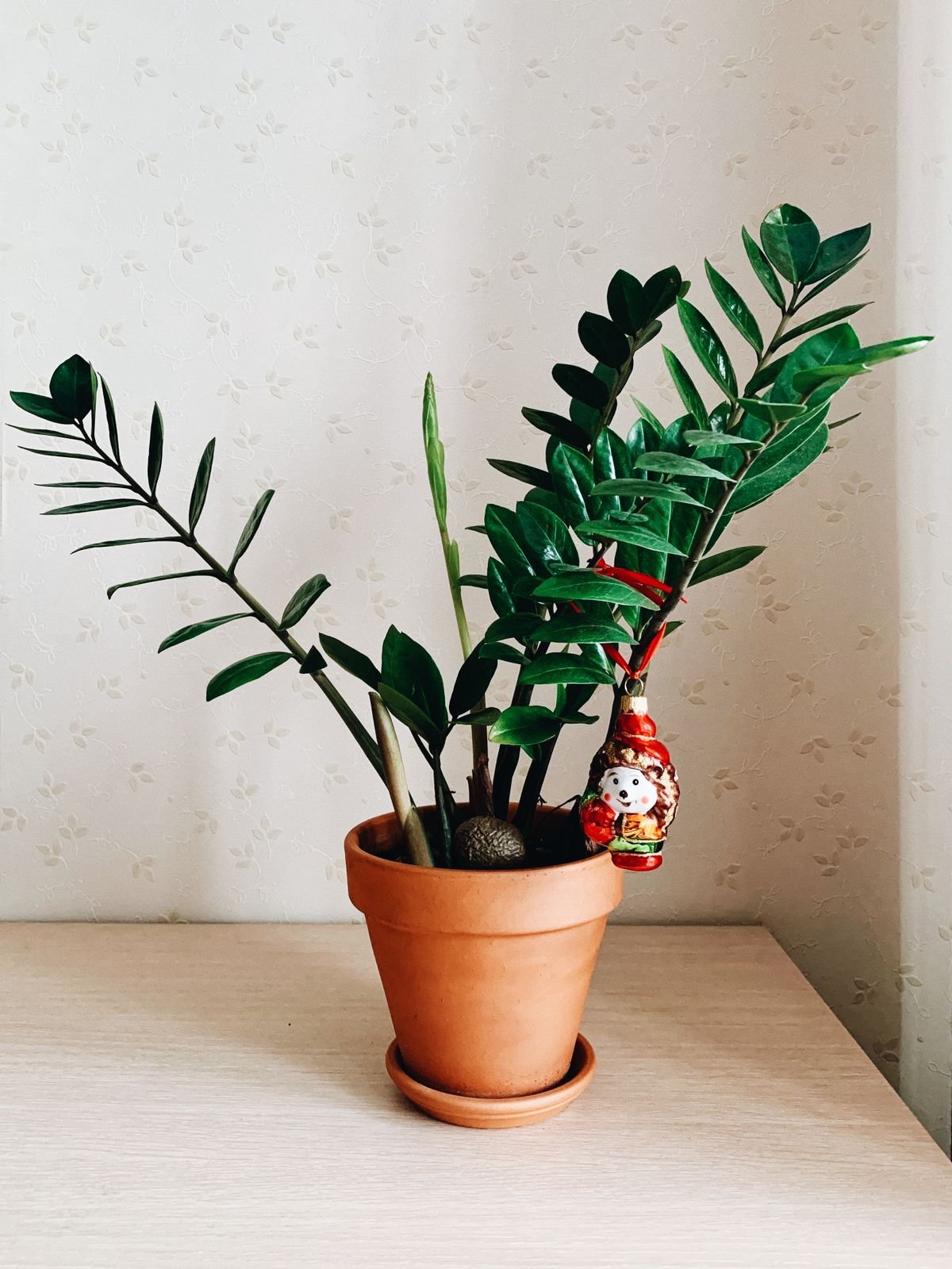
Peperomia vs ZZ Plant: Best Care & Water Storage
Peperomia obtusifolia and ZZ plant both look glossy and drought-tolerant, but they store water differently, tolerate different light ranges, and differ sharply in pet safety.
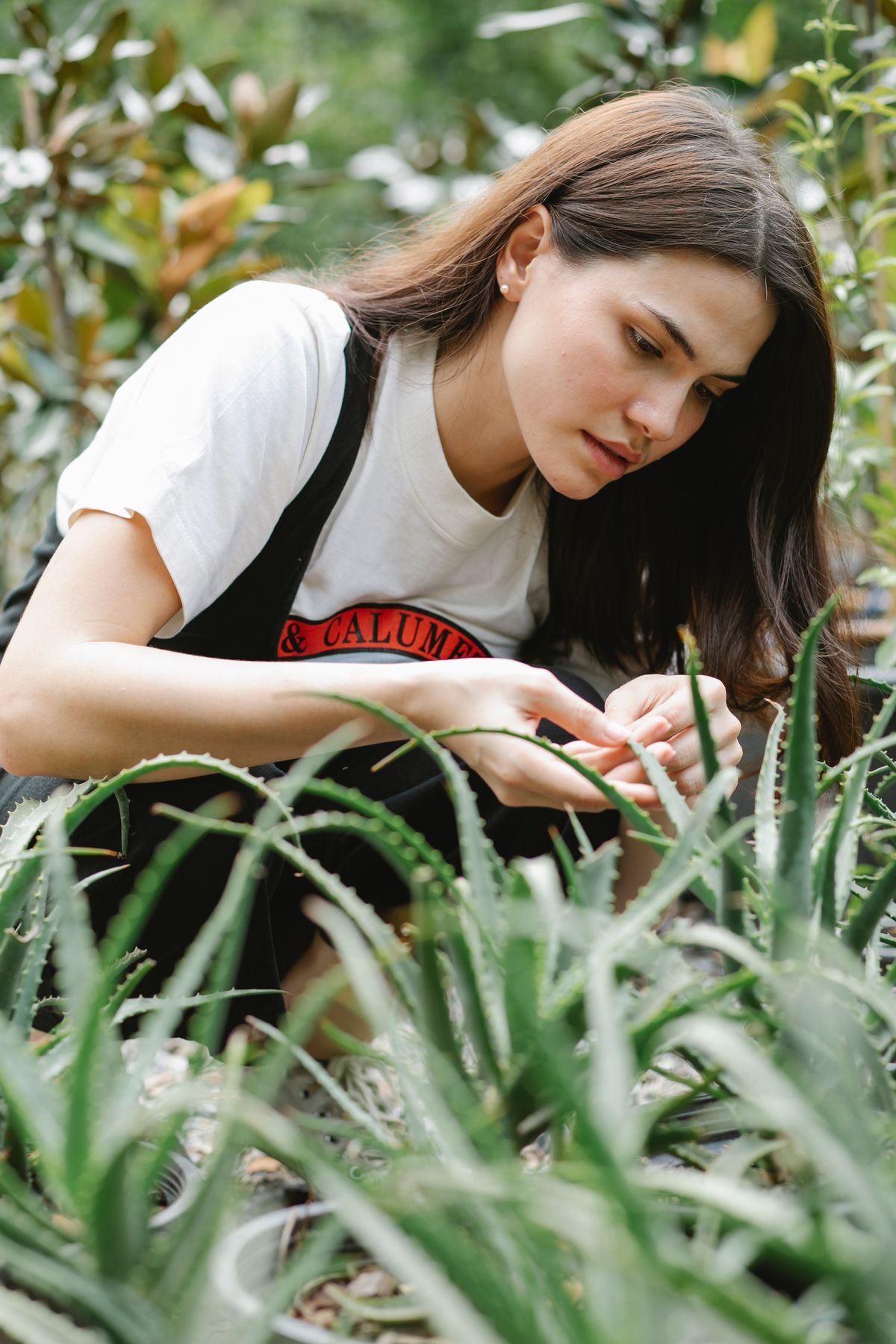
Peperomia Whiteflies: Identify & Stop the Damage
Whiteflies on Peperomia obtusifolia cluster on the underside of leaves and scatter as a small white cloud when the plant is disturbed — a distinctive enough behaviour that identification is usually straightforward, but eradication takes hitting both the mobile adults and the larvae hidden on the leaf underside.